

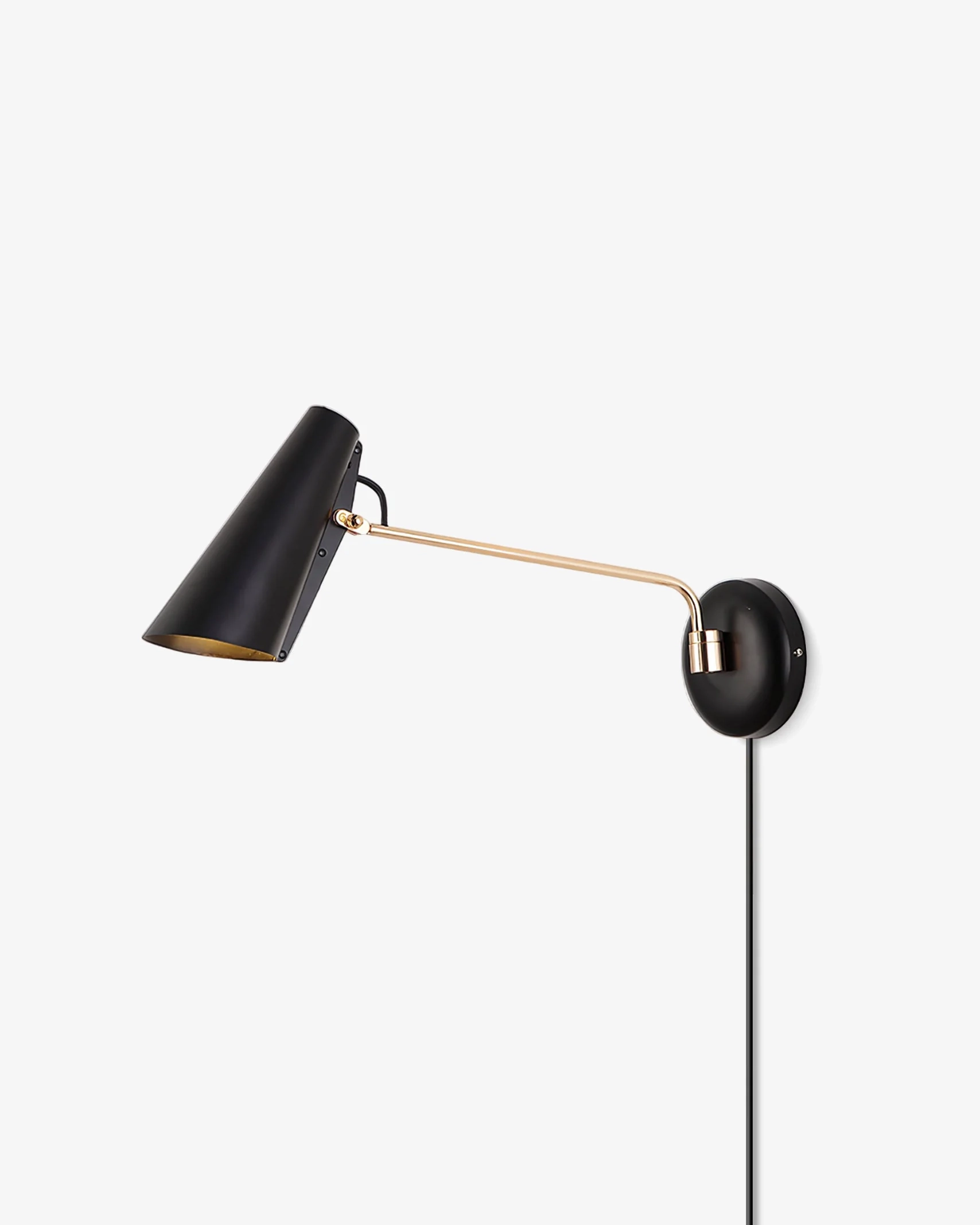
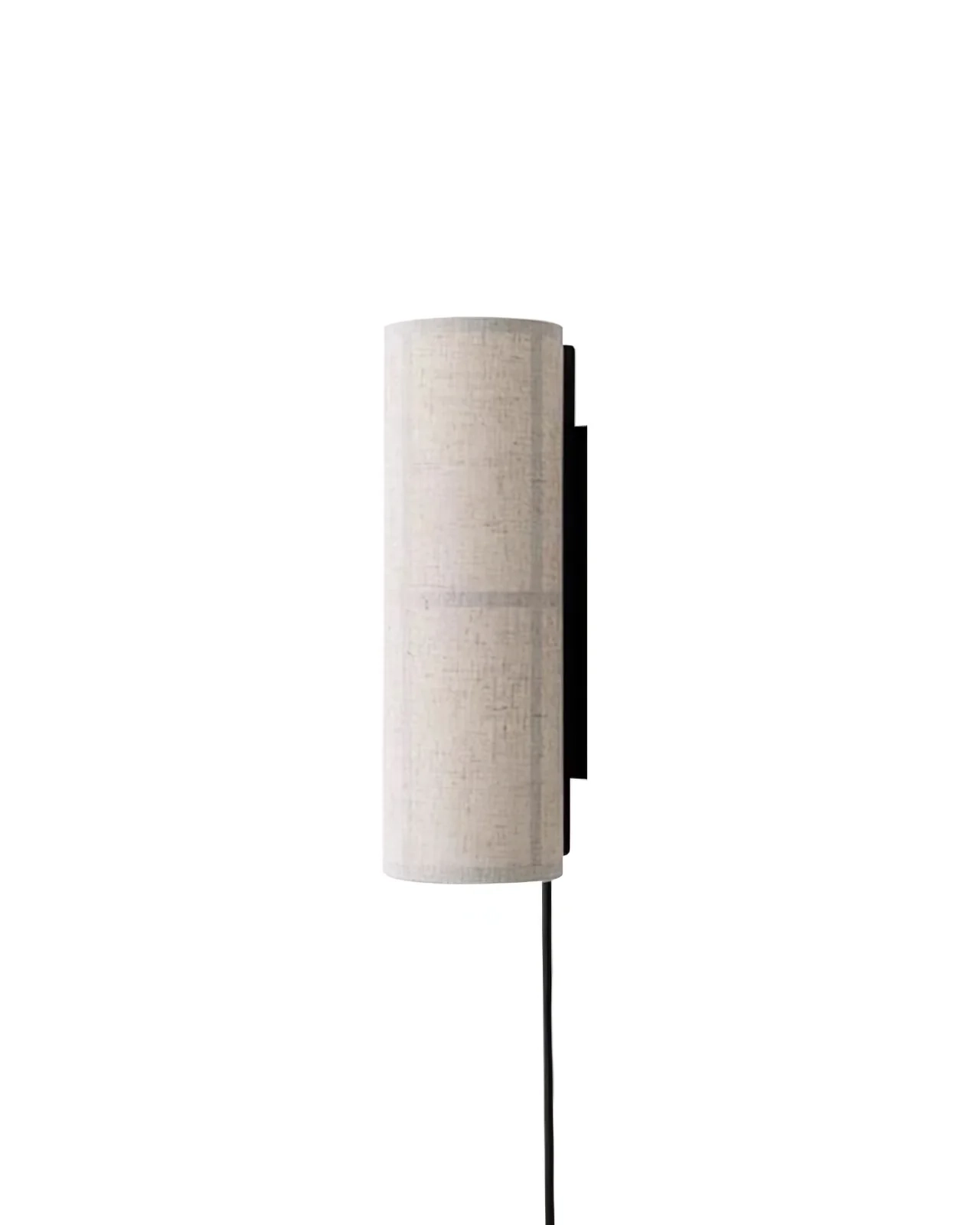
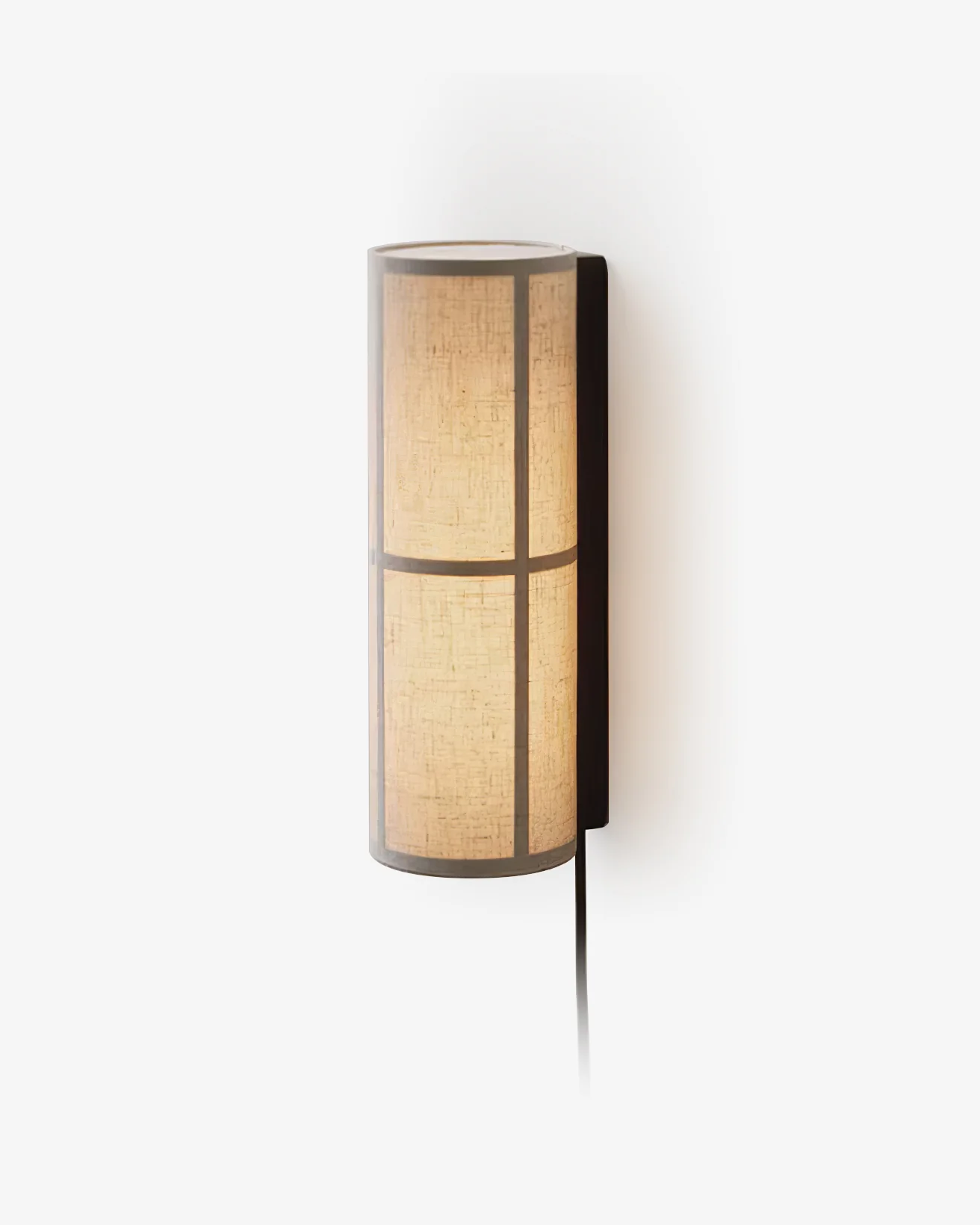
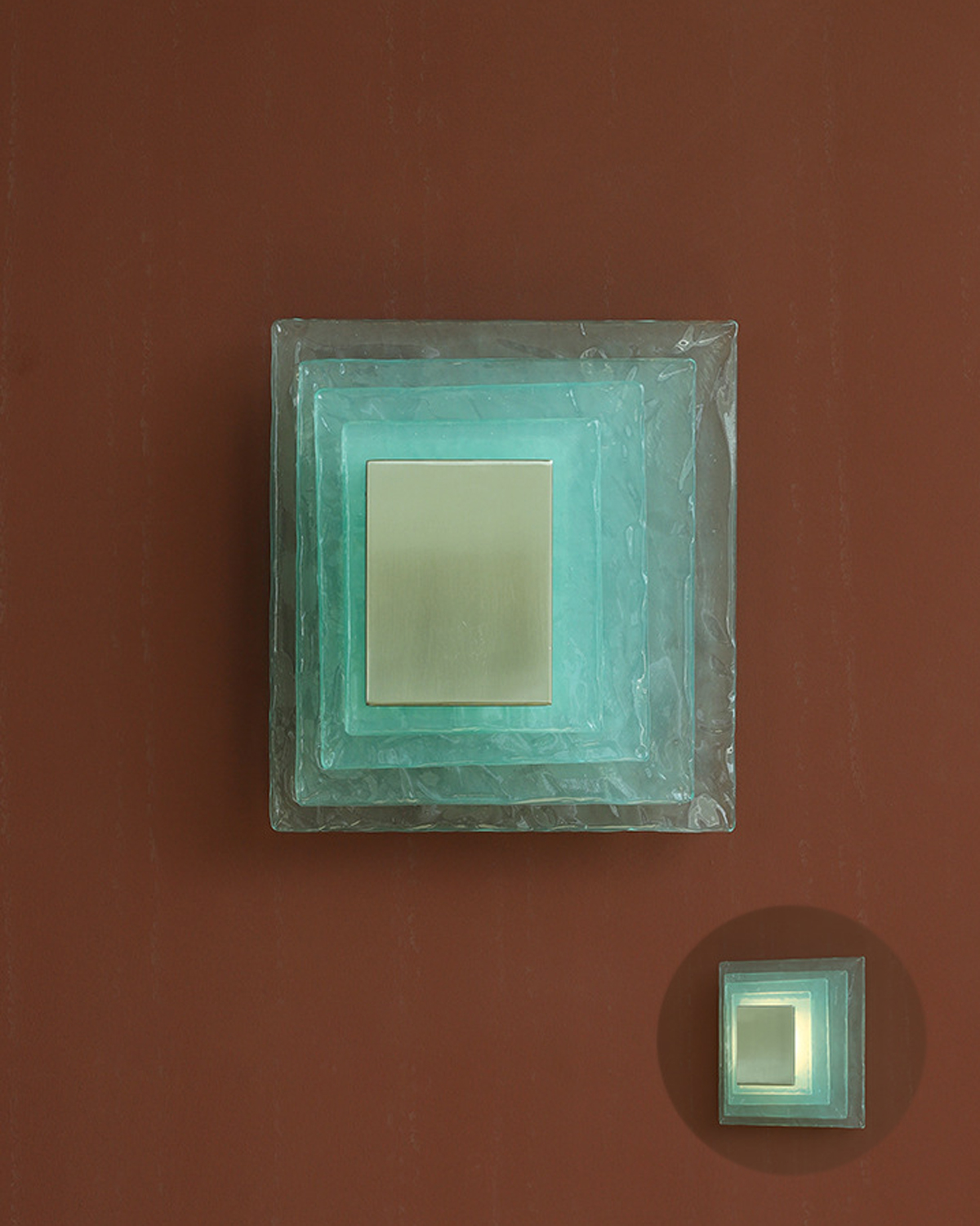
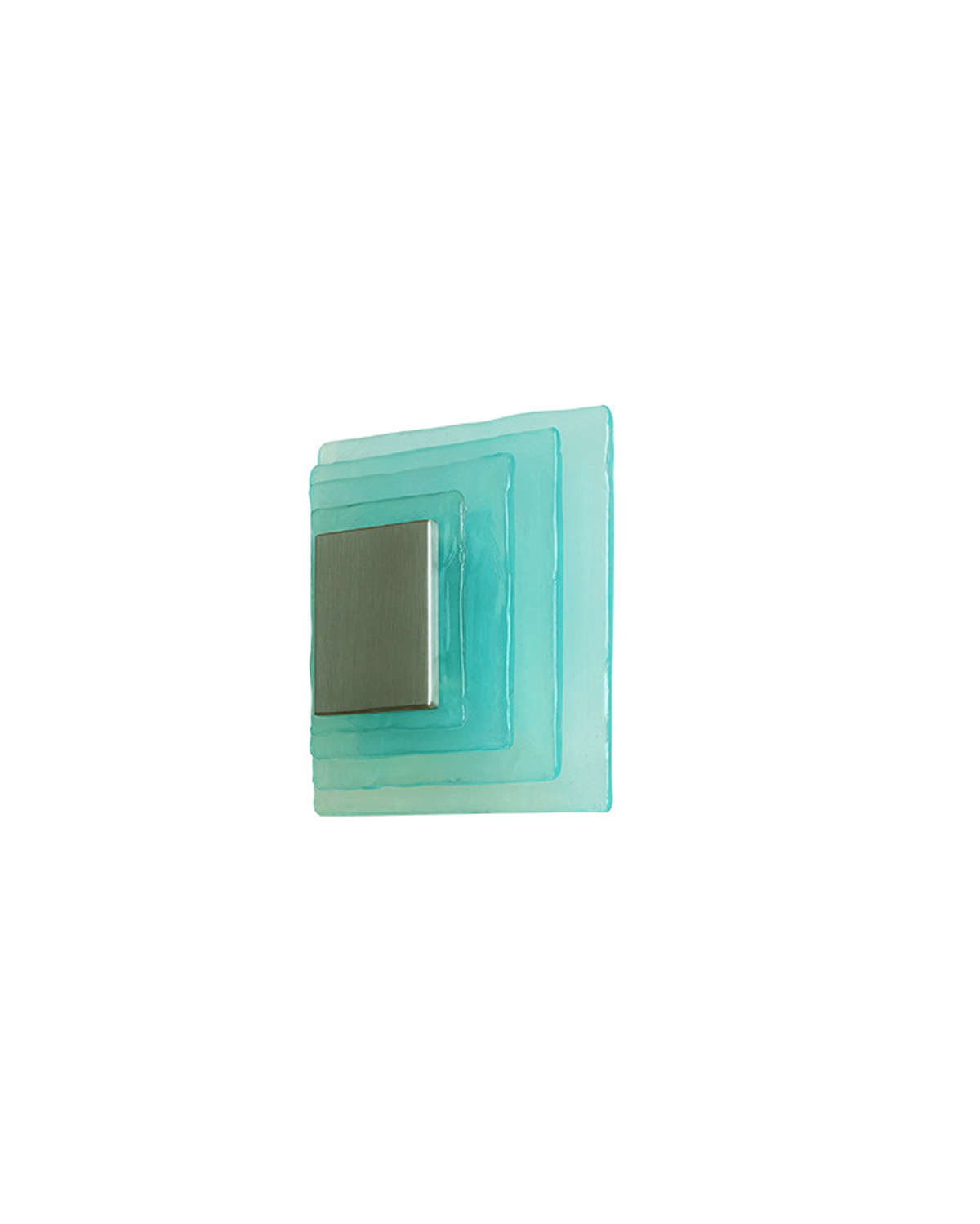
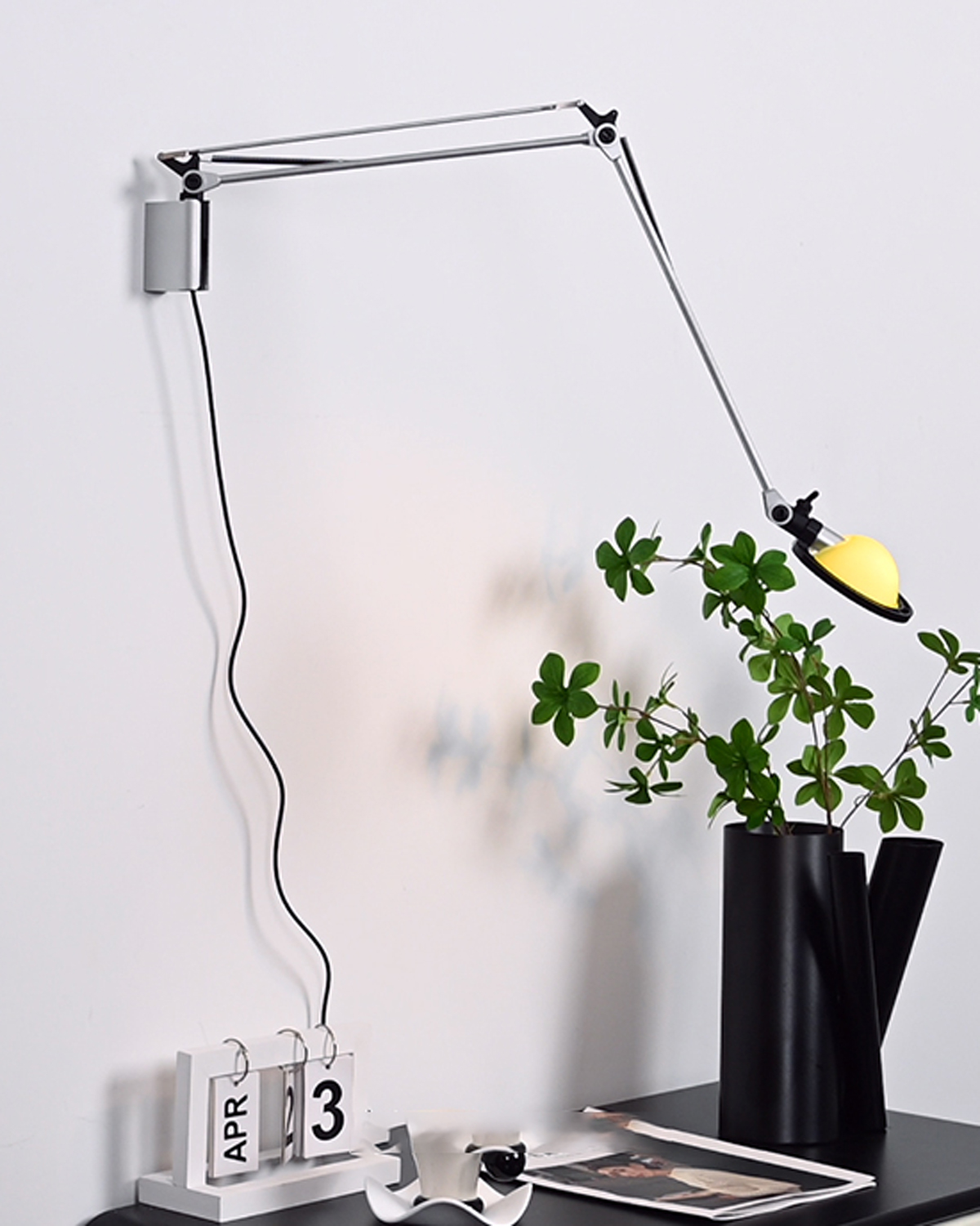

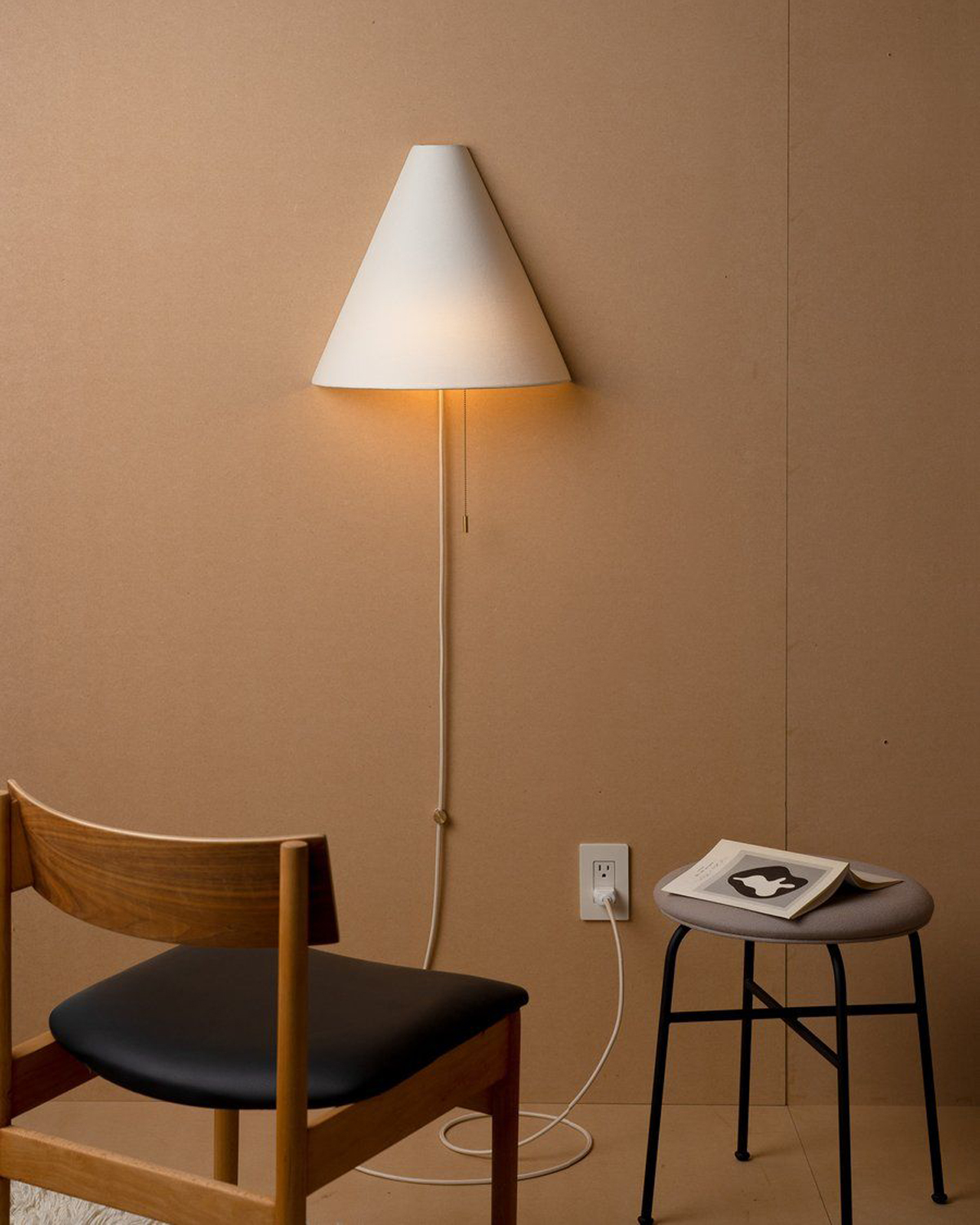
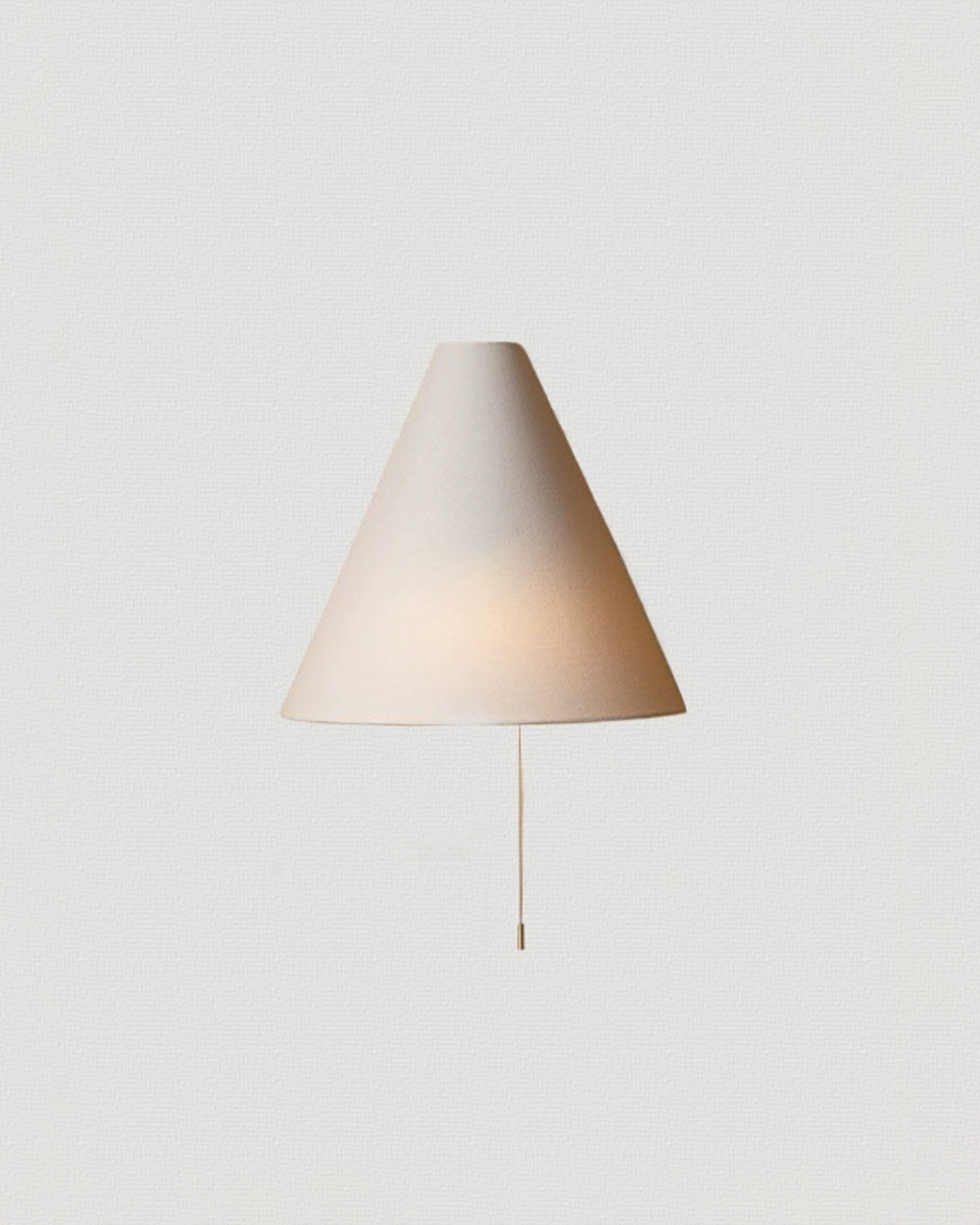



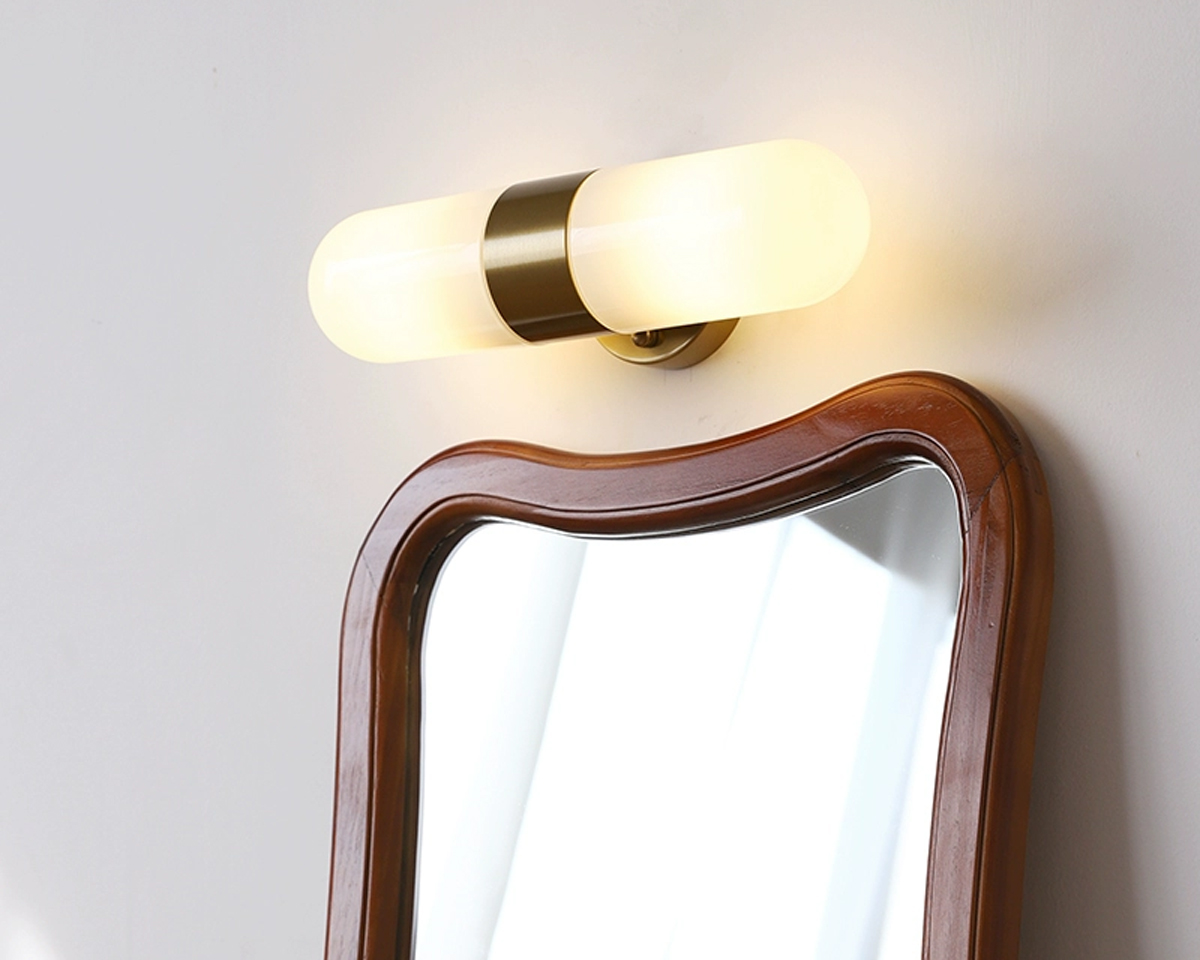
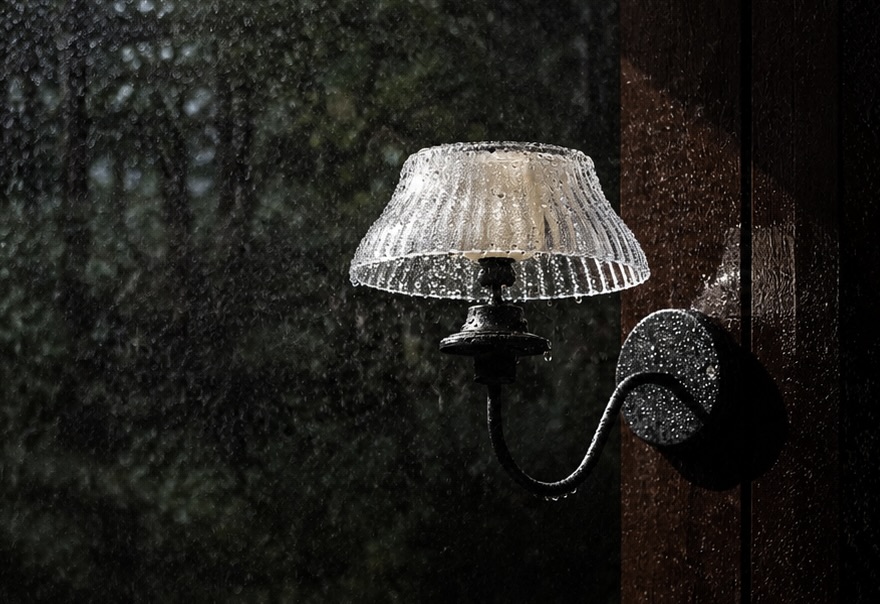
Lámparas de pared y accesorios de jardín resistentes a la intemperie que mantienen sus espacios exteriores brillando hermosamente, 24/7, 365 días al año.
¿Cuántos tipos de luminarias necesitas en casa? Una introducción a las luminarias residenciales comunes
May 28,2025 | elegaLight
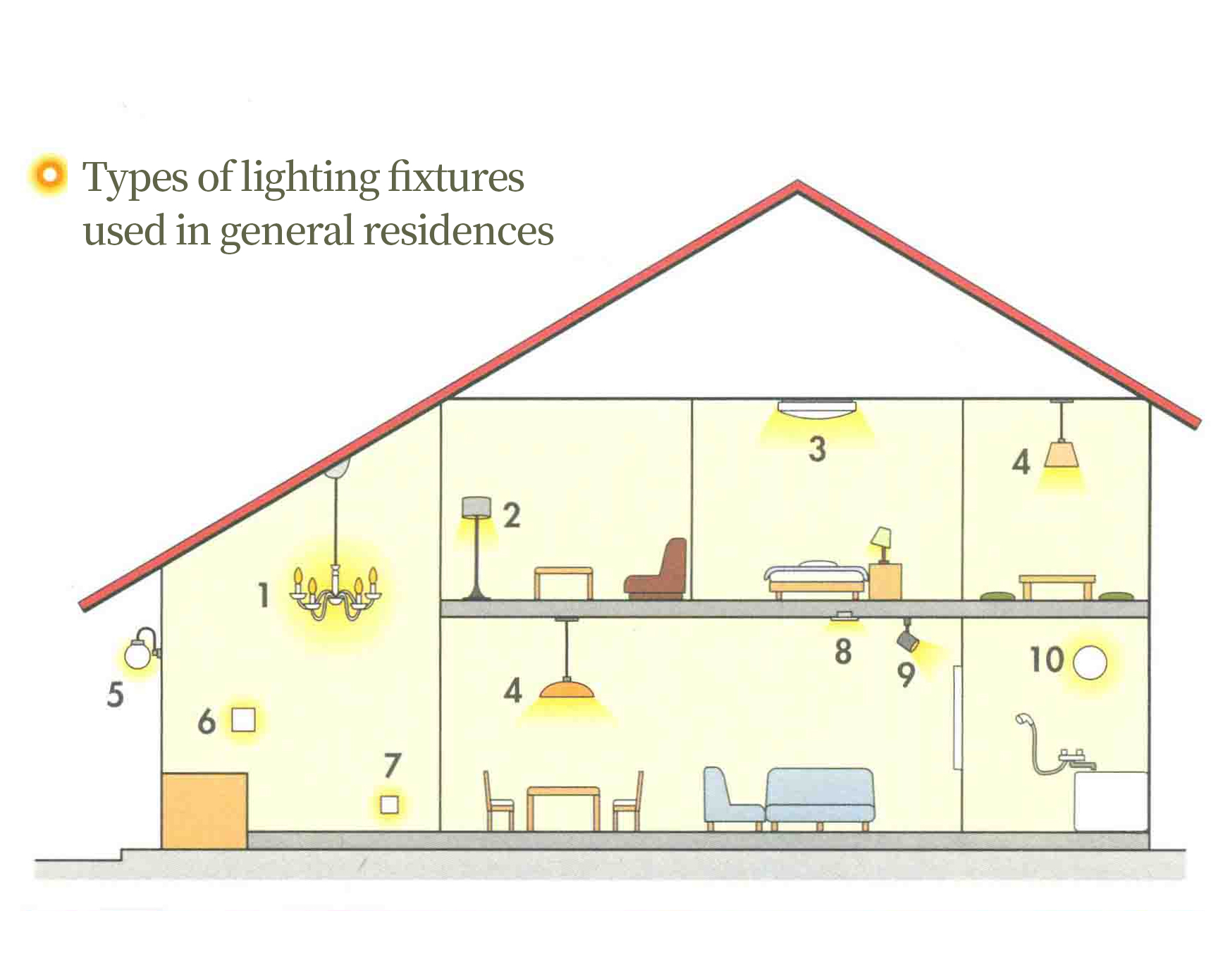
El diseño de iluminación requiere la selección cuidadosa de los accesorios adaptados a cada espacio. Dada la amplia variedad de tipos de iluminación, cada uno con su propio rendimiento y características, adquirir una comprensión sólida de estas diferencias es el primer paso esencial para tomar decisiones informadas. Esta vez, describimos las características clave y consideraciones importantes de los accesorios de iluminación comúnmente utilizados en entornos residenciales.
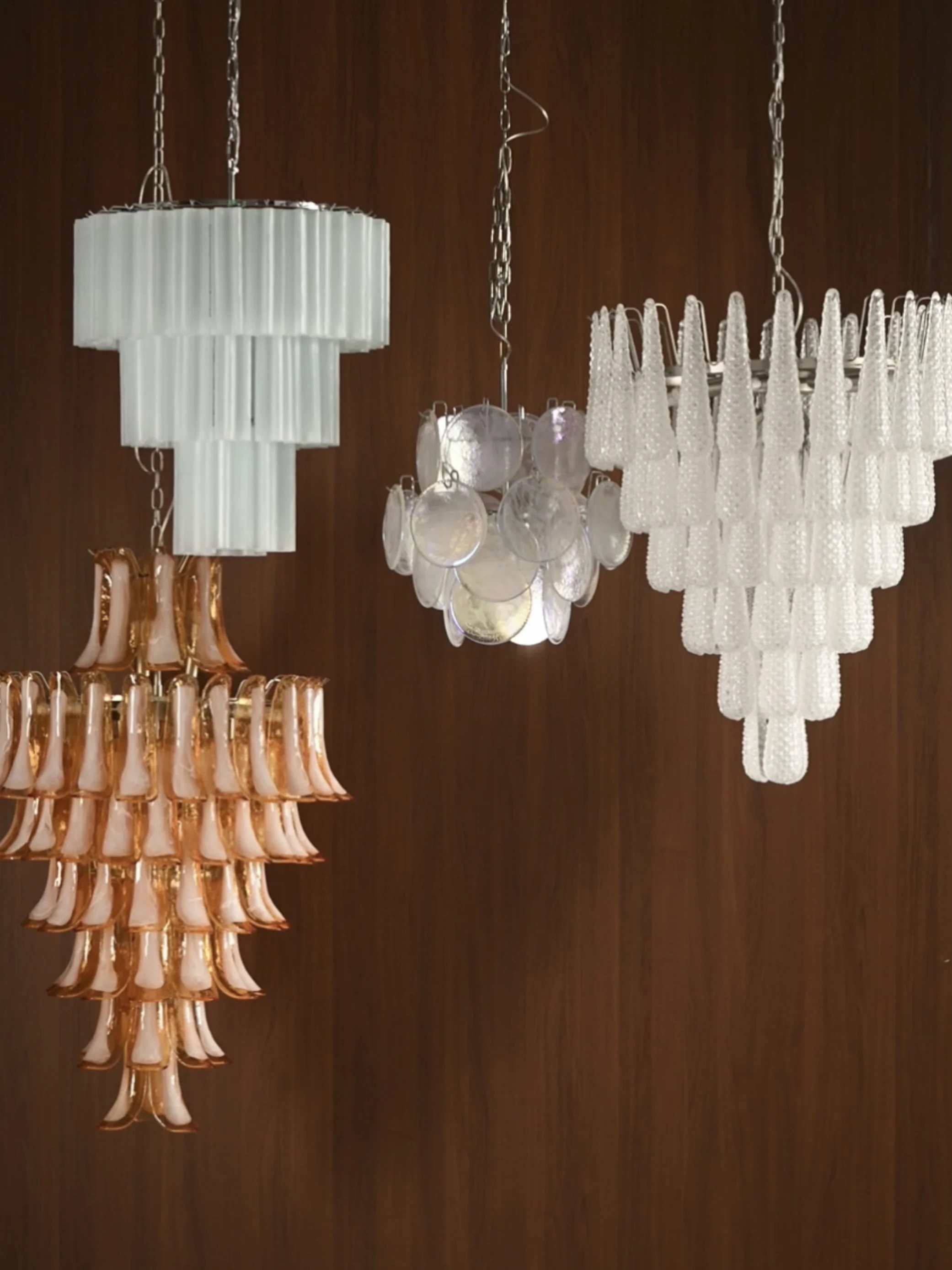
| 1. Candelabro | 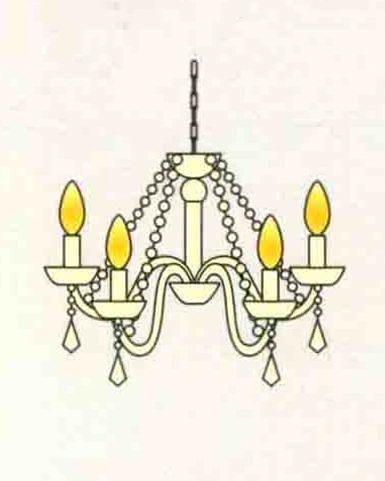 |
Características
- Iluminación decorativa.
- Los casos de uso típicos son en espacios interiores con techos altos.
- Las bombillas de criptón para candelabros se utilizan como fuente de luz, que emiten una luz parpadeante, y las lámparas fluorescentes, que emiten luz desde toda la superficie, no son adecuadas. Recientemente, también están disponibles lámparas LED en forma de puntos que emiten luz como las bombillas de candelabro.
Aviso
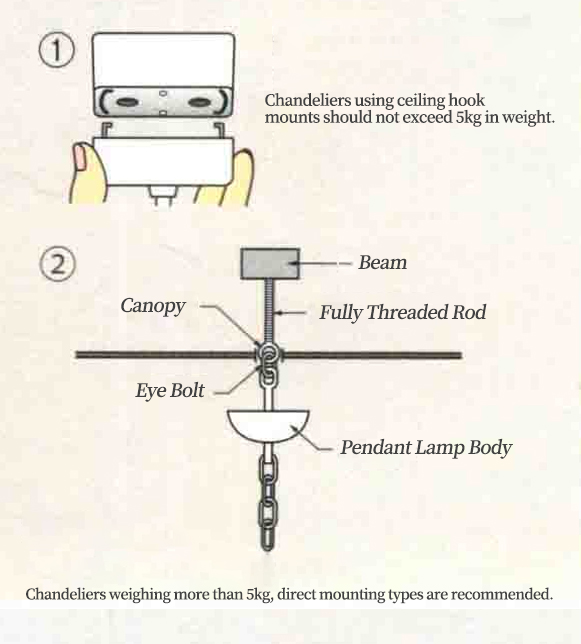
- La mayoría tiene un tamaño y peso considerables.
- Hay dos tipos de métodos de montaje: montaje directo en el techo y montaje simple utilizando ganchos de techo.
- Si el peso del aparato es demasiado pesado, la estructura del techo debe ser reforzada.
Ver todos los candelabros
| 2. Lámpara de pie | 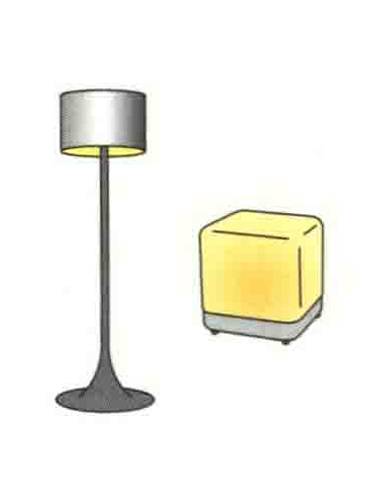 |
Características
- Accesorios de iluminación para exhibición.
- Hay una amplia gama de tamaños y formas, y la forma en que se difunde la luz varía según la altura y el diseño de la pantalla.
- Hay dos tipos de pantallas: aquellas que permiten que la luz pase y aquellas que bloquean la luz, permitiendo que solo la parte superior e inferior brillen.
- La mayoría de las lámparas vienen con un enchufe, por lo que no es necesario conectarlas a una fuente de alimentación separada, y son muy fáciles de instalar y mover.
Aviso
-
Al crear un plan de iluminación, es importante asegurarse de que se instalen tomas de corriente cerca de los lugares previstos para los accesorios.
Ver todas las lámparas de pie
| 3. Luces de techo empotradas |
 |
Características
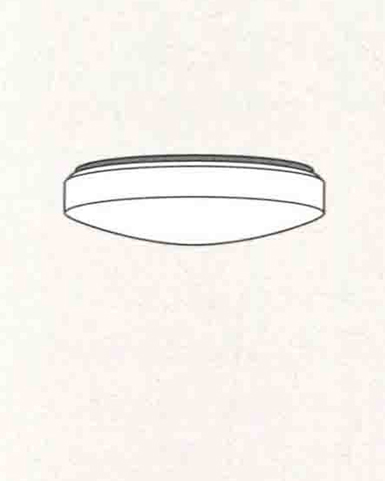
- Un accesorio de luz que se monta directamente en el techo e ilumina todo el interior.
- Muchas casas lo utilizan como la iluminación principal.
- La fuente de luz es principalmente una lámpara fluorescente en forma de anillo con una pantalla de acrílico para difundir la luz.
- El accesorio se puede encender y apagar con un interruptor de pared o control remoto. El tipo de control remoto utilizado puede tener un regulador sin escalas o por etapas.
Aviso
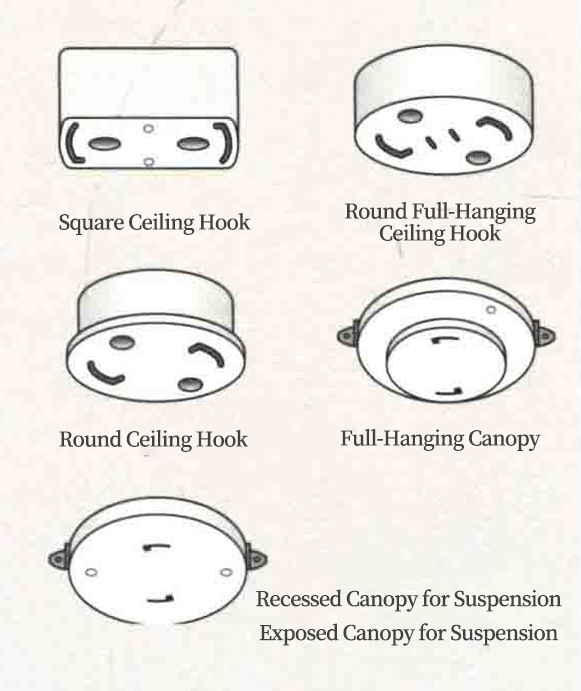
- La mayoría se montará con ganchos de techo. Es importante verificar la compatibilidad de los ganchos de techo con la parte inferior del luminario según el catálogo del fabricante.
Ver todas las luces de techo empotradas
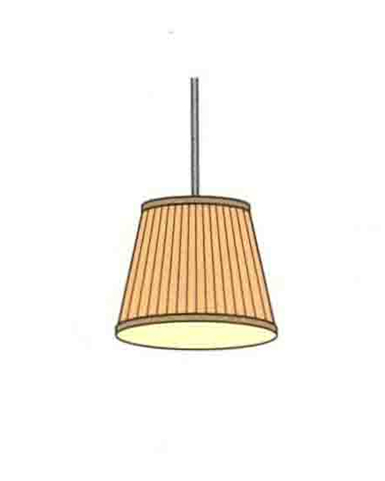
| 4. Luces colgantes |
 |
Características
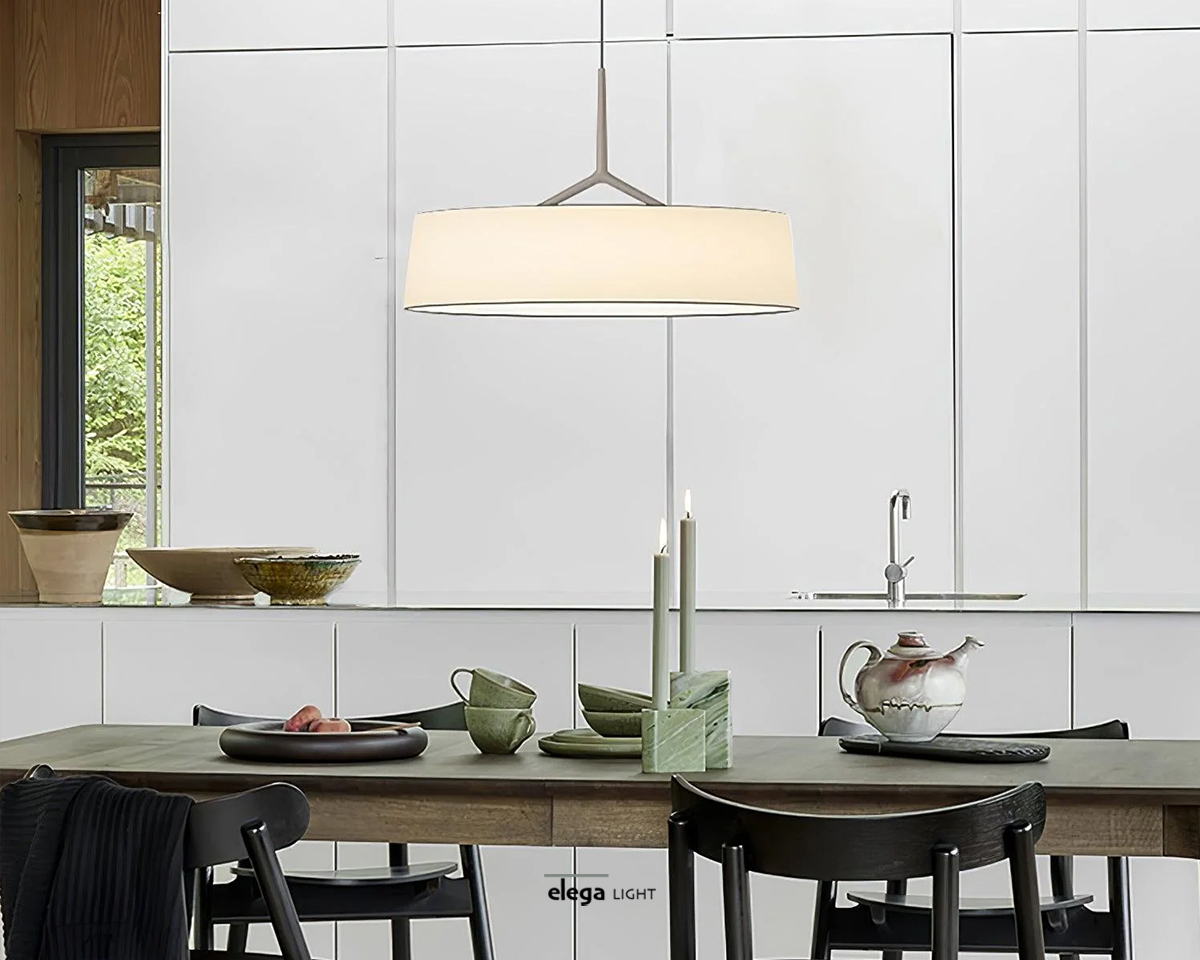
- Un accesorio de iluminación que cuelga del techo con un cable o cadena.
- Hay varios tamaños y formas, y una amplia gama de estilos de pantallas.
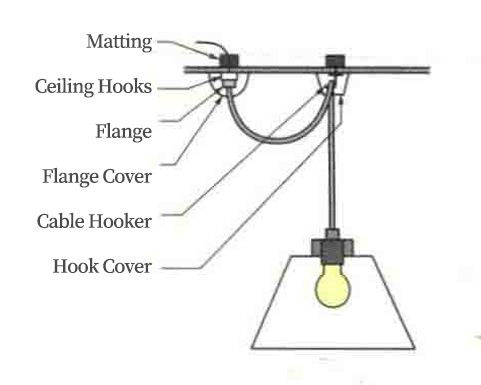
- Los métodos de instalación están dominados por ganchos de techo que no requieren trabajo eléctrico, mientras que algunos deben montarse directamente en el techo o usar rieles de iluminación.
Aviso
- Cuando se utilizan ganchos de techo, se debe prestar atención al peso de la lámpara.
- Cuando se utilizan cables, se añaden almohadillas para soportar el peso del accesorio.
- En el caso de los rieles de iluminación, la fuente de alimentación y los sistemas de conmutación se encuentran en los rieles, y es necesario verificar la compatibilidad de los accesorios de iluminación utilizados.
Ver todas las luces colgantes
| 5. Luces exteriores | 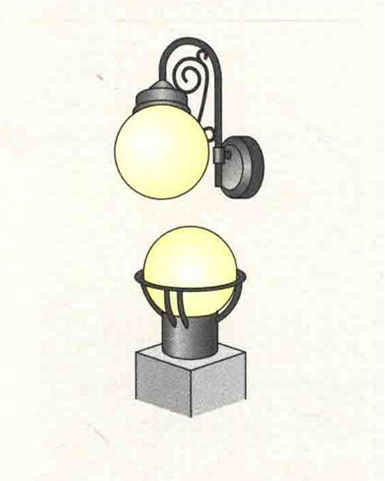 |
Características
- Lámparas de postes de puerta, downlights o lámparas proyectoras fuera de la entrada, lámparas de jardín, etc., con una variedad de formas de lámpara.
- Generalmente, se utiliza iluminación a prueba de lluvia.
- Para uso residencial, se pueden utilizar accesorios de iluminación equipados con sensores para proporcionar seguridad y prevención del crimen por la noche.
- Al diseñar, es importante considerar tanto la exhibición visual como la funcionalidad, como la seguridad y la prevención del crimen.
Aviso
- Incluso el tipo a prueba de lluvia no se puede utilizar en lugares donde haya riesgo de inundación, y los accesorios de iluminación que están enterrados en el suelo y los proyectores tipo estaca no deben instalarse en áreas bajas.
- Los accesorios exteriores deben tener tratamiento de drenaje y ser confirmados en el momento de la construcción.
- Si se encuentra en un área con daño por sal profundo dentro de 500 metros de la costa, o en un área con daño por sal dentro de 2,000 metros de la costa, las estructuras metálicas como el marco de una lámpara simple bajo los aleros pueden corroerse, por lo que se debe prestar más atención a ellas. Además de estar hechas de acero inoxidable, es mejor instalarlas en un lugar donde la sal pueda ser lavada por el agua de lluvia.
- Incluso si es un tipo a prueba de lluvia, la impermeabilidad se reducirá si el tipo montado en la pared se utiliza en el suelo o si se cambia la dirección original de uso, por lo que es importante prestar atención a esto.
Ver todas las luces exteriores
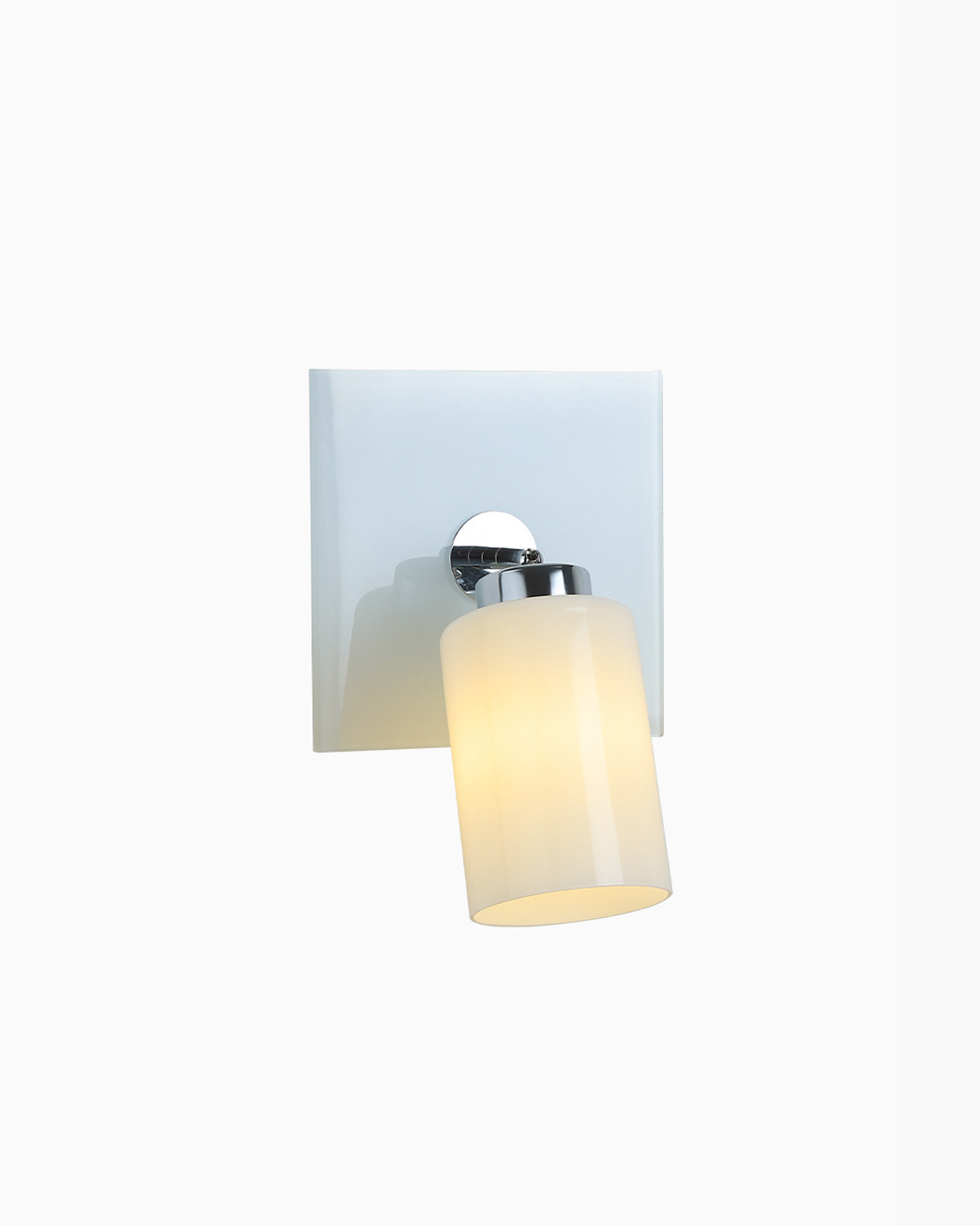
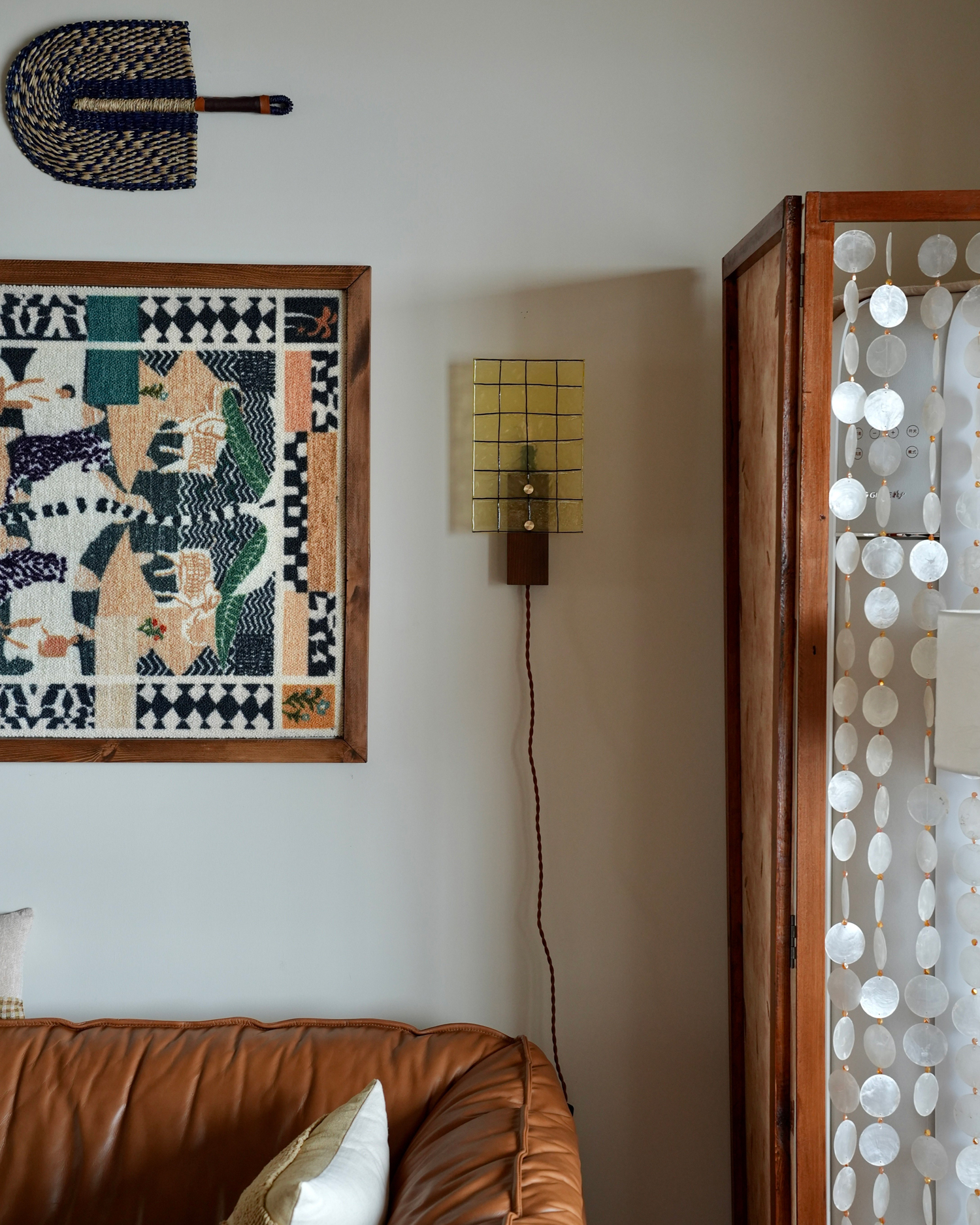
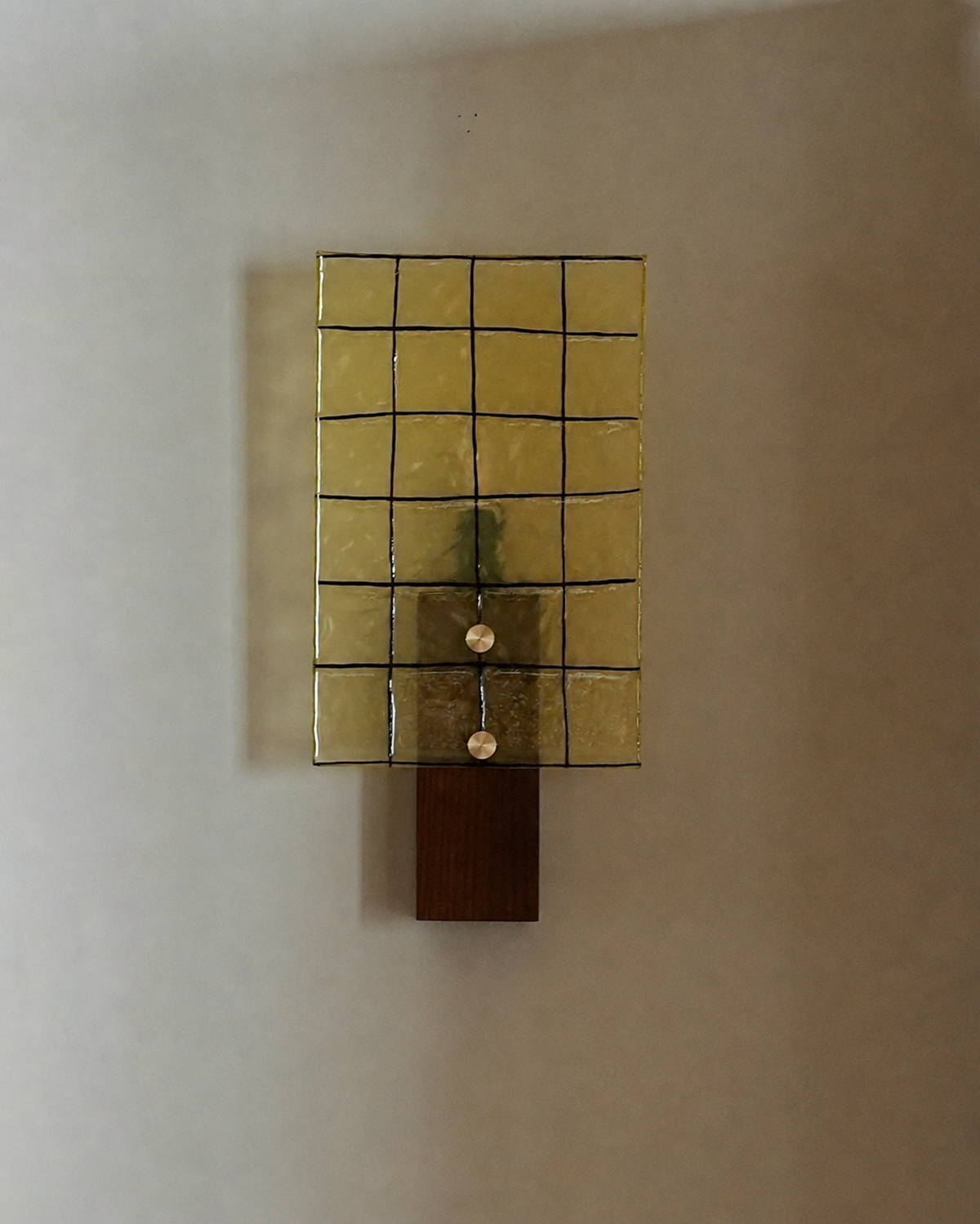
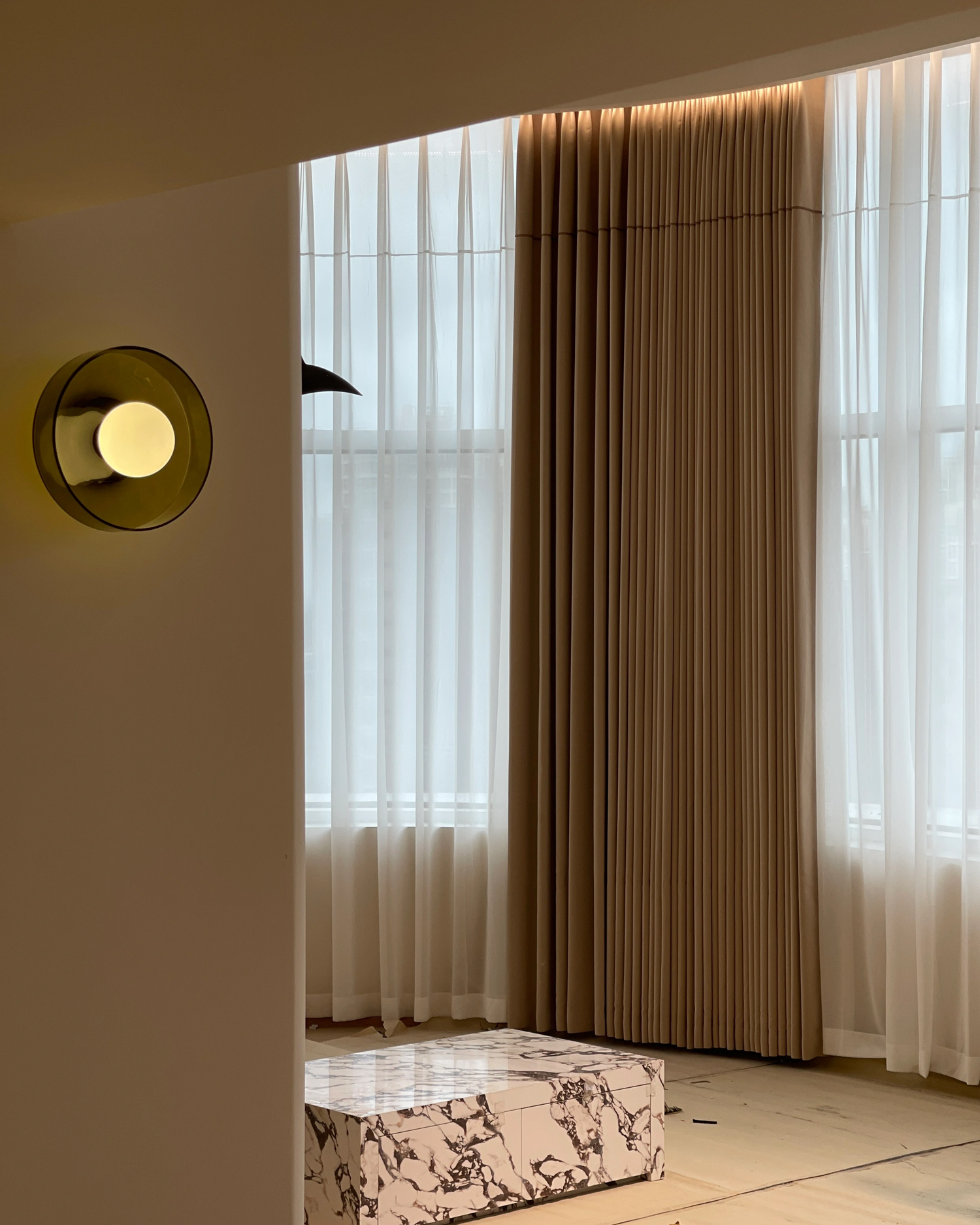
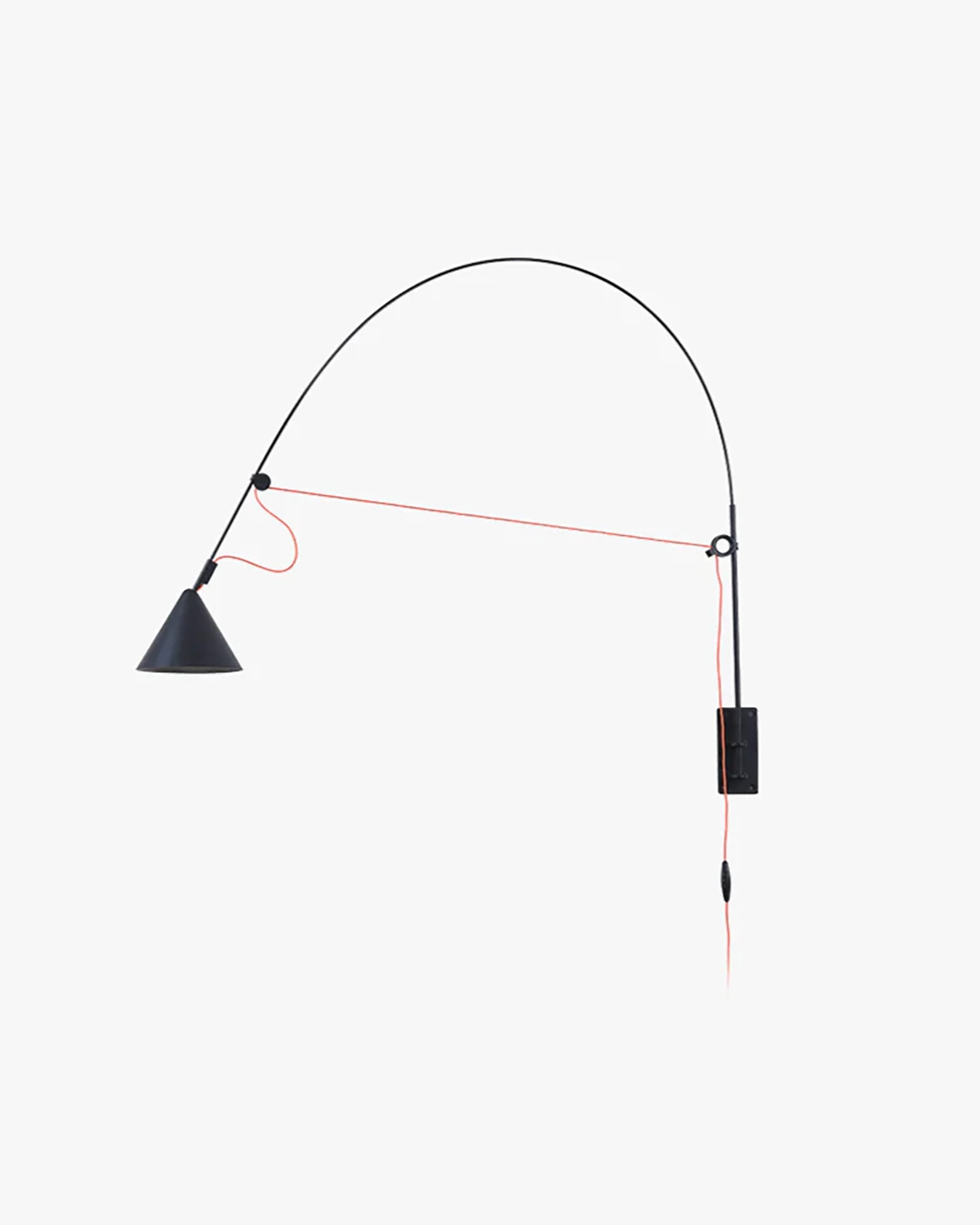
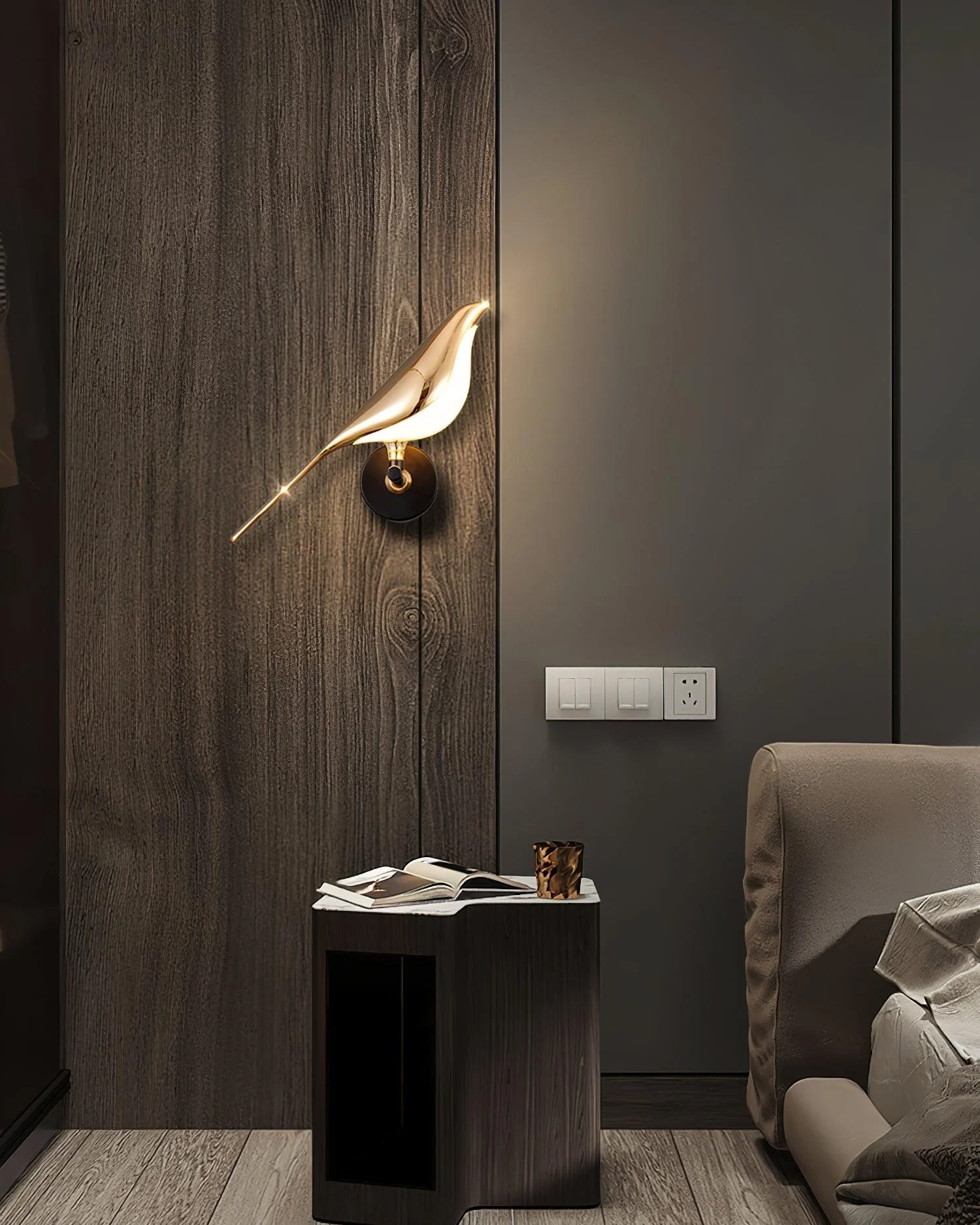
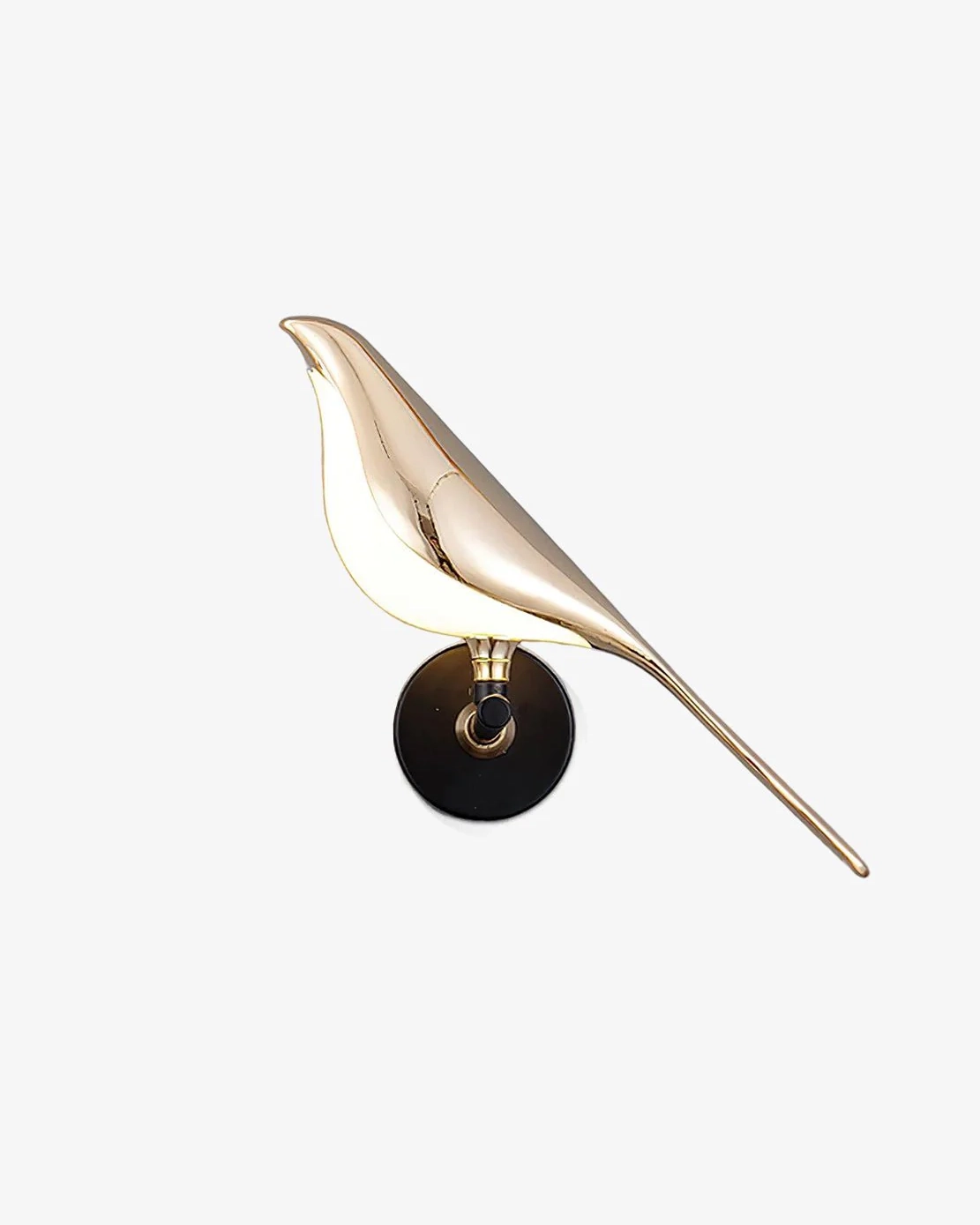
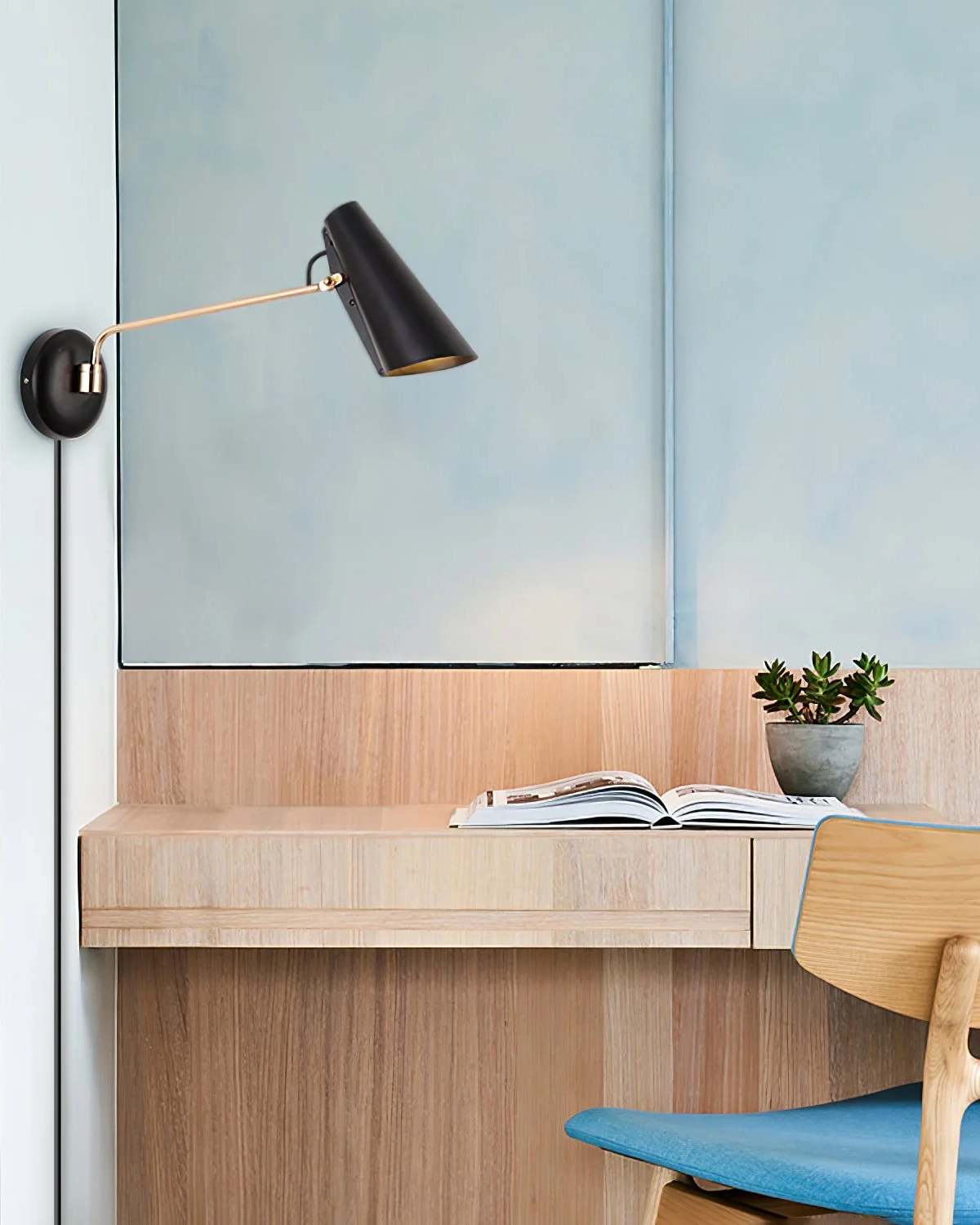
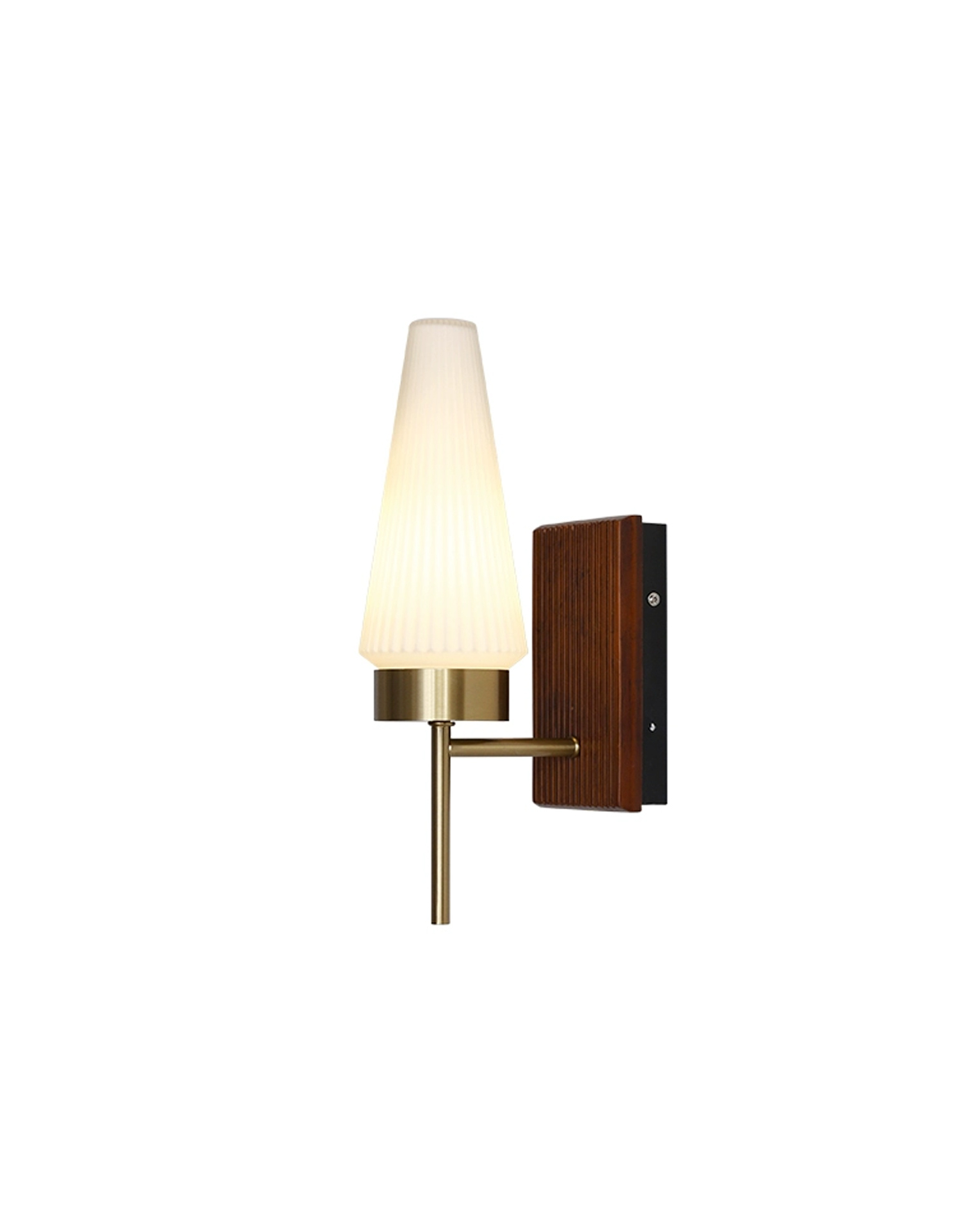
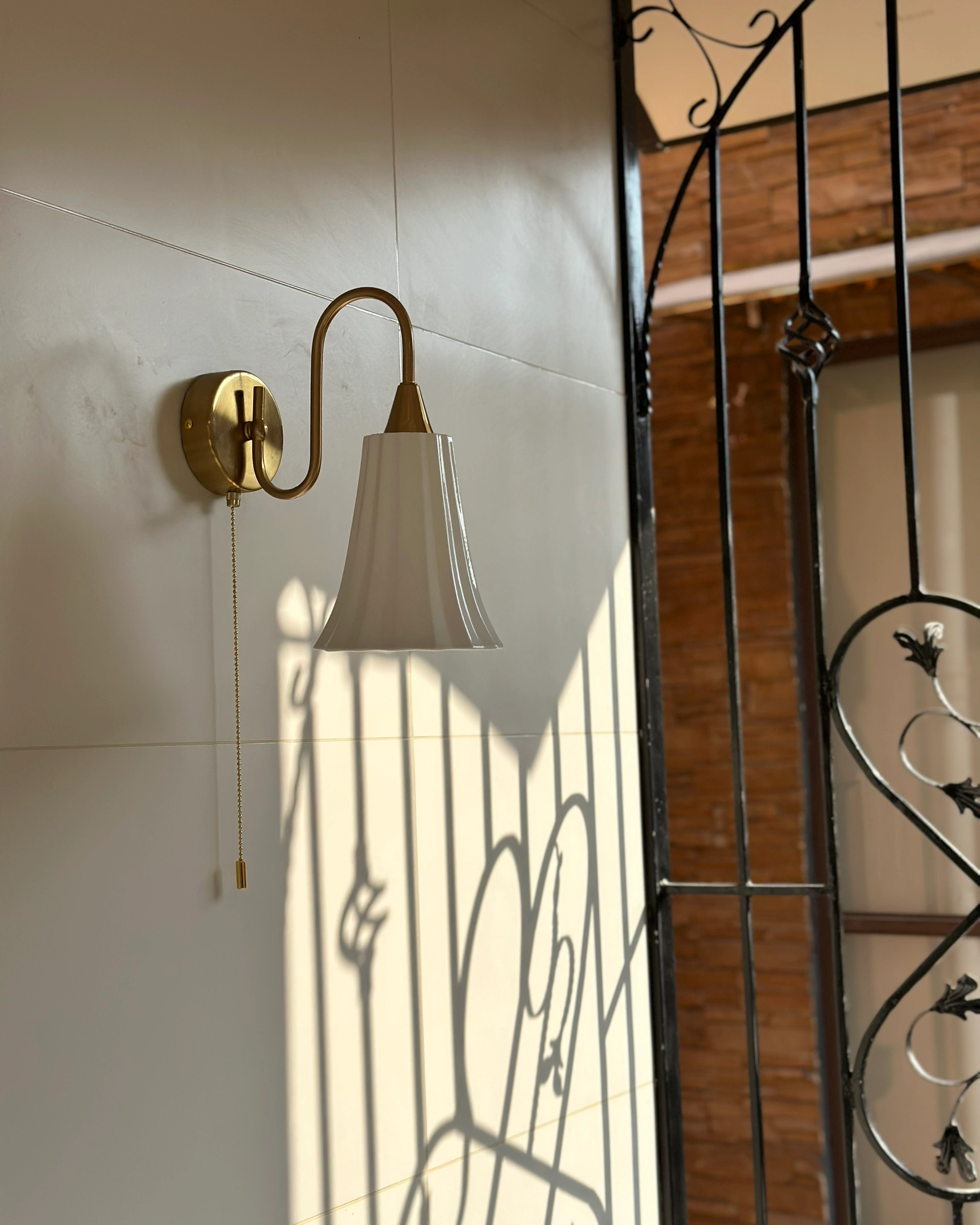
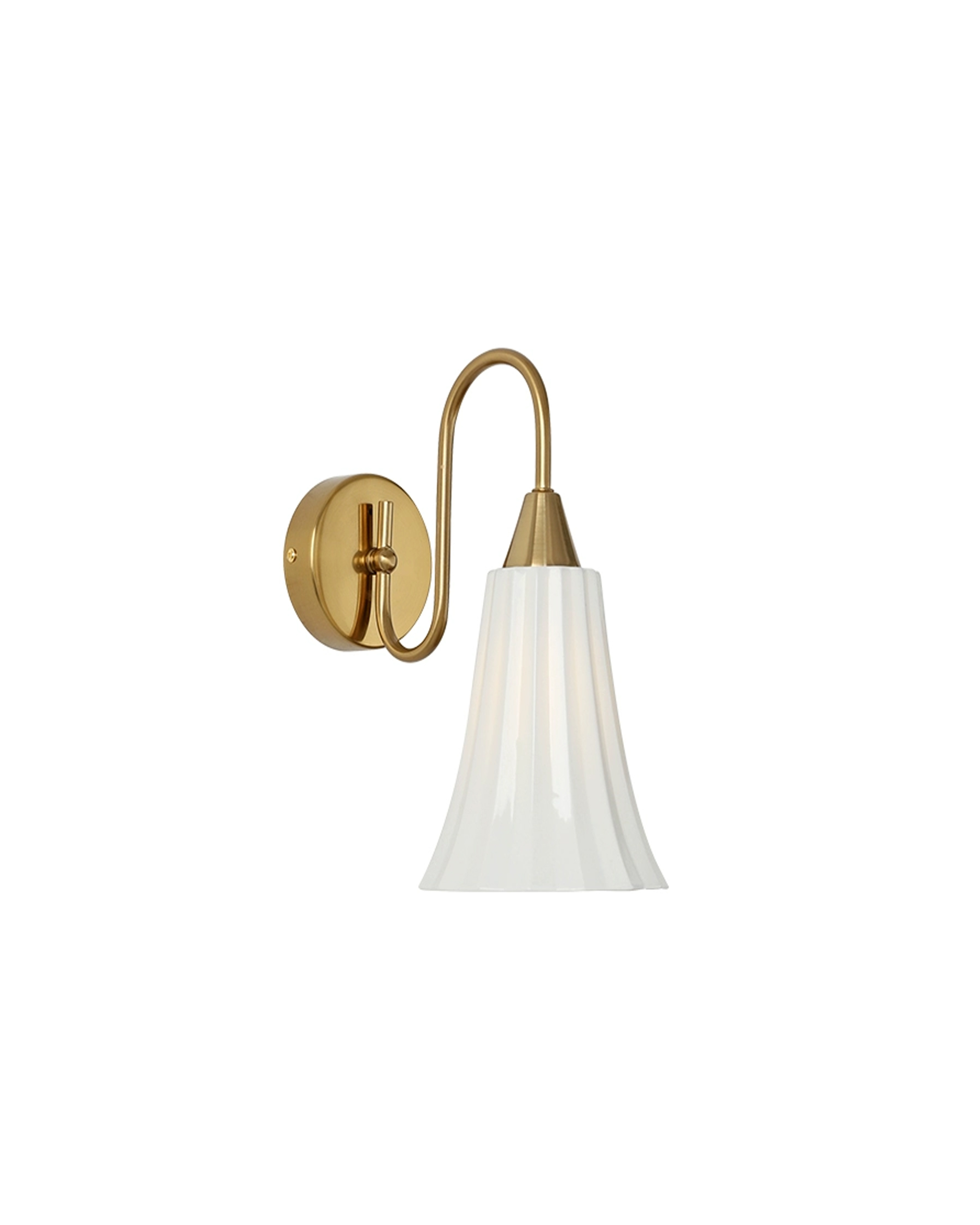
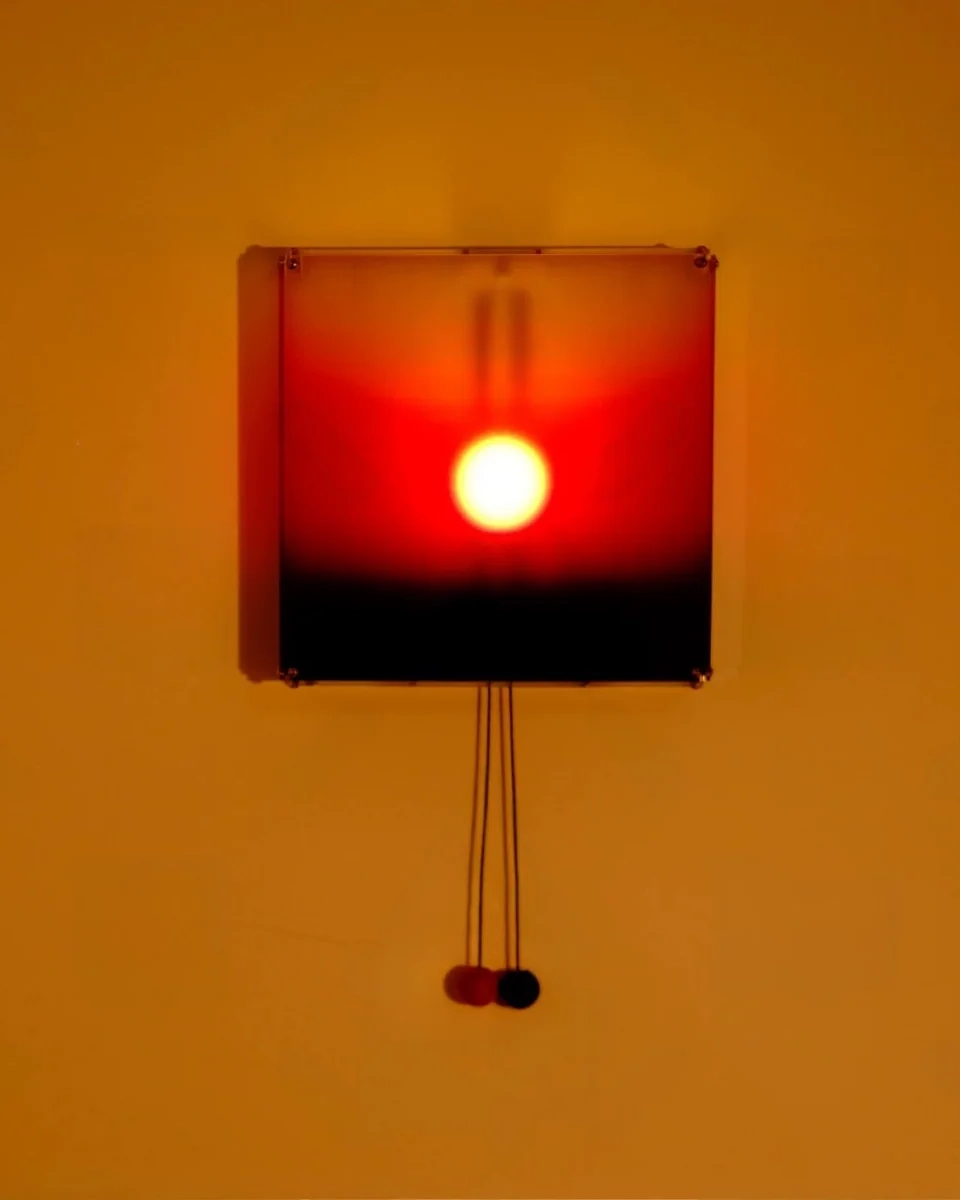
| 6. Luces de pared | 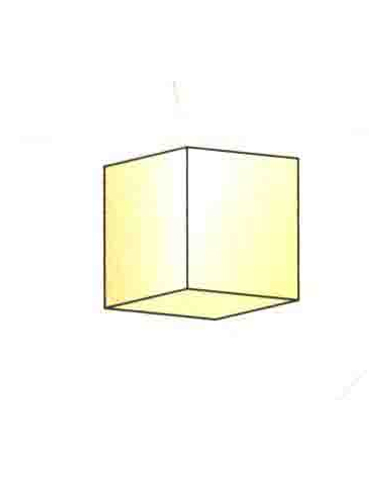 |
Características
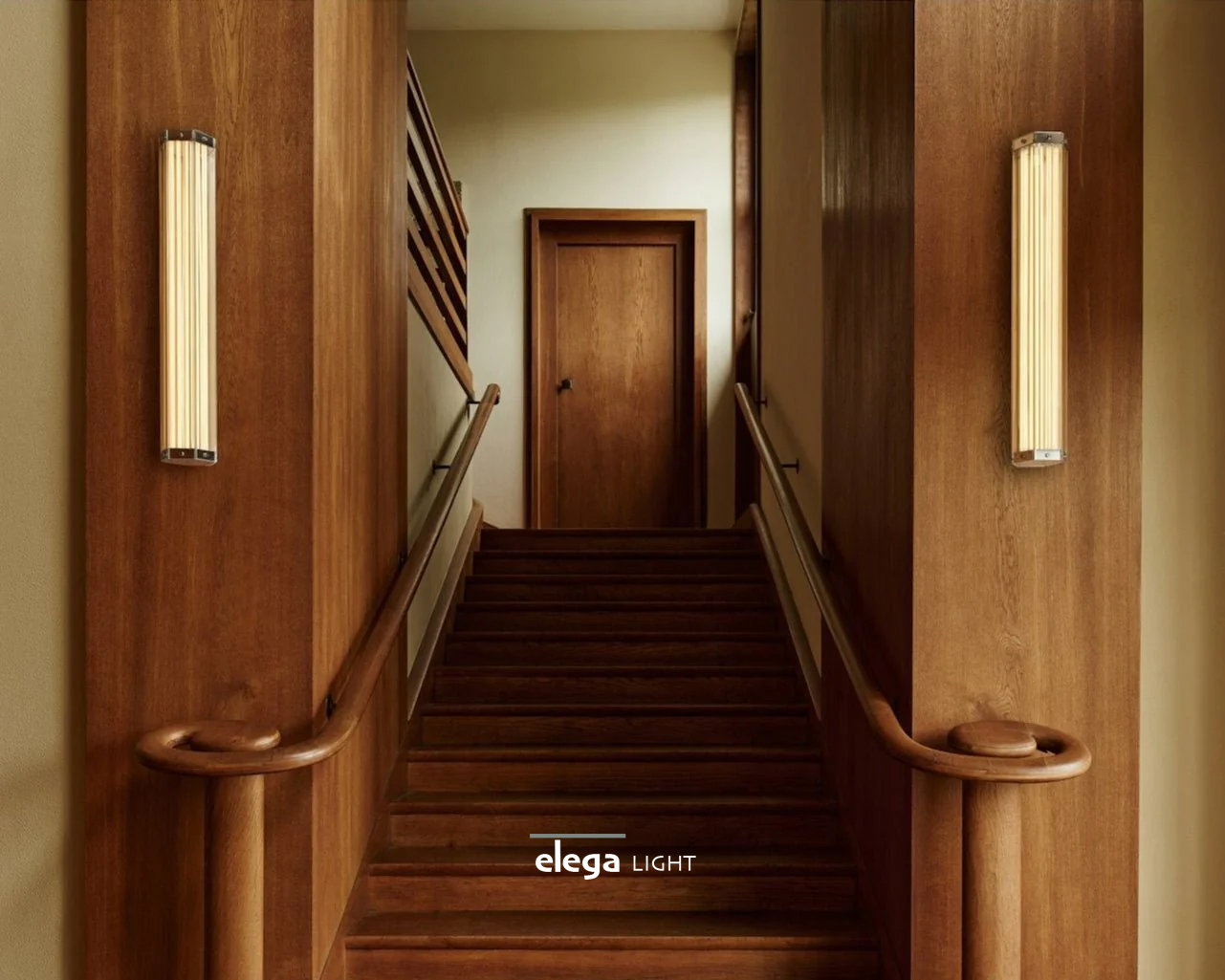
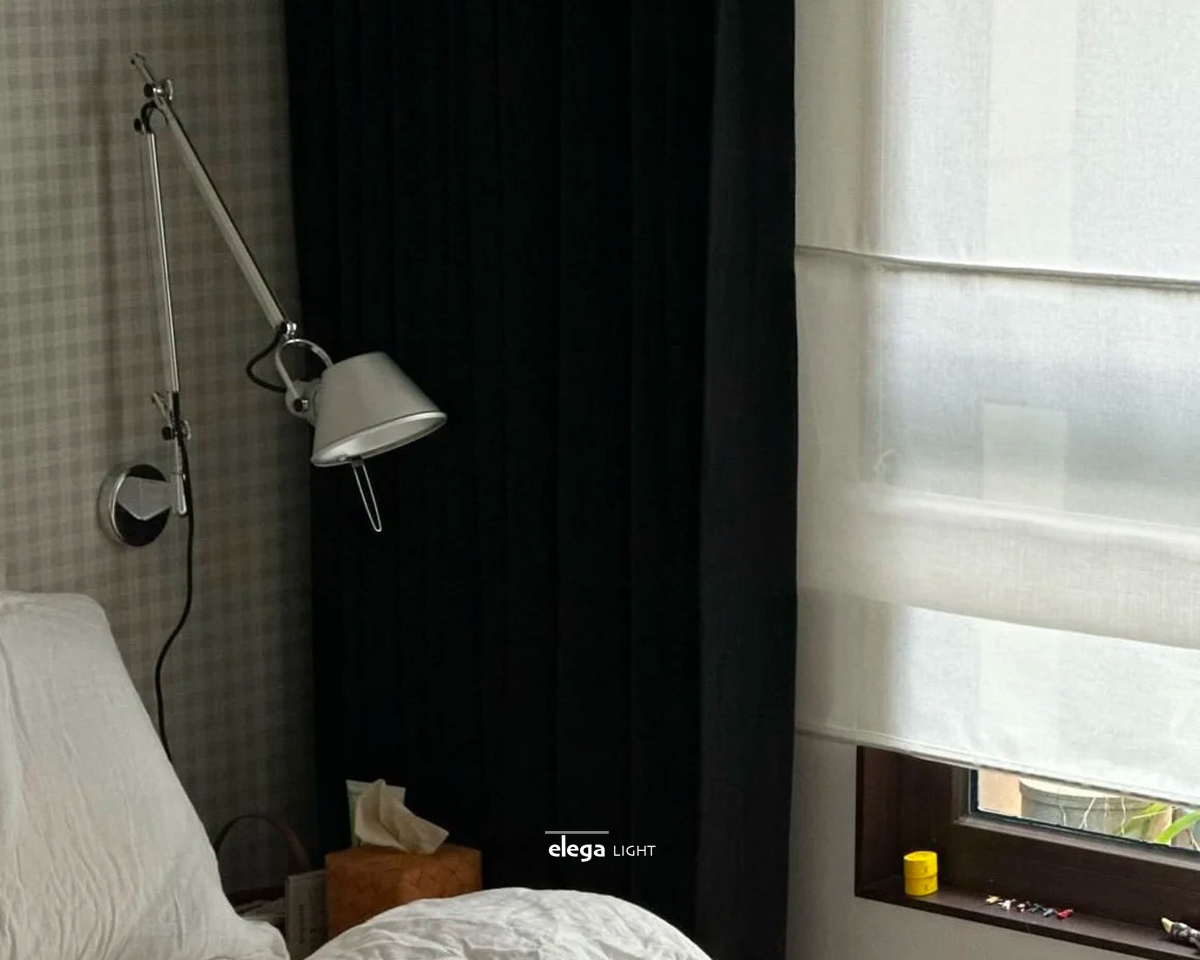
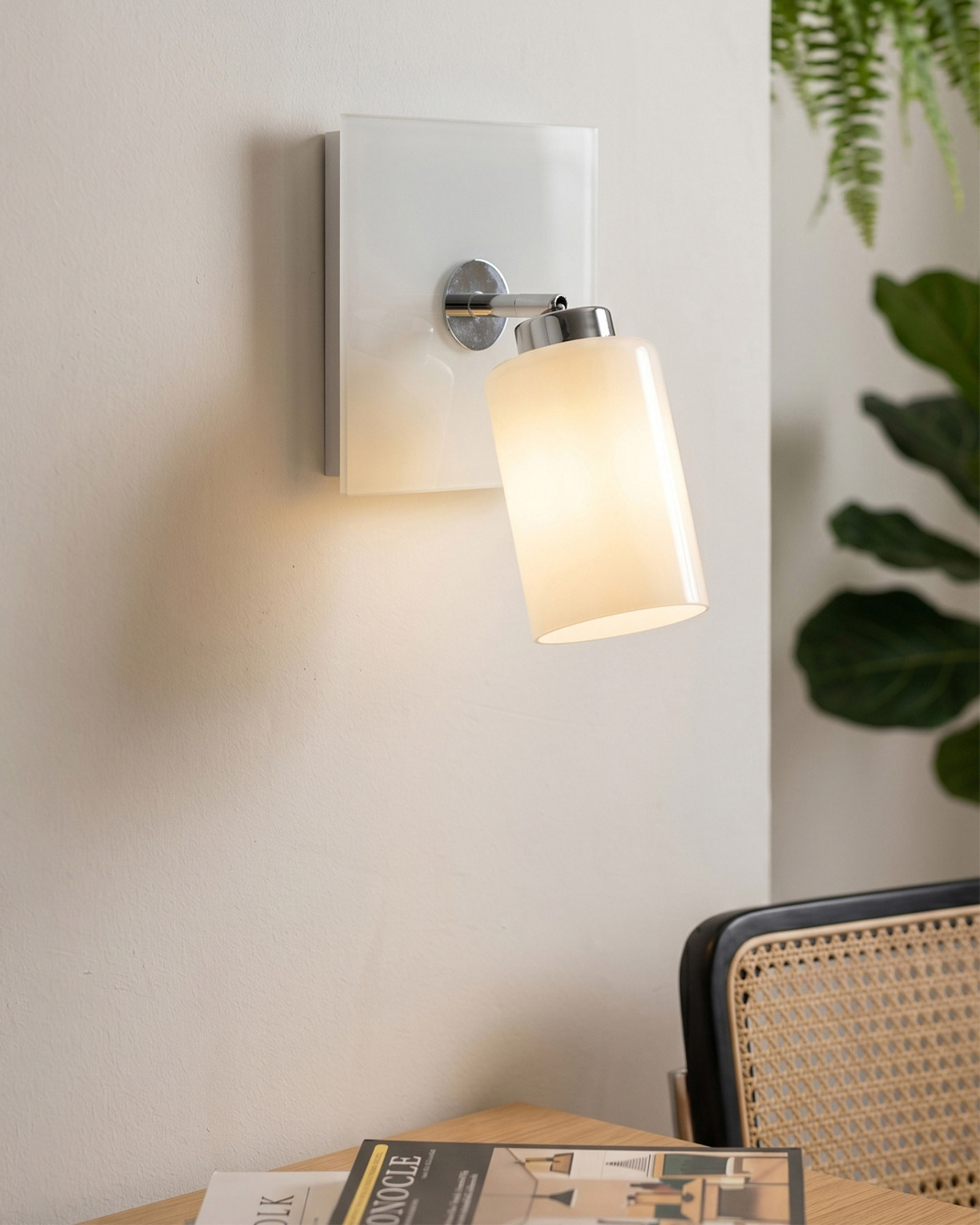
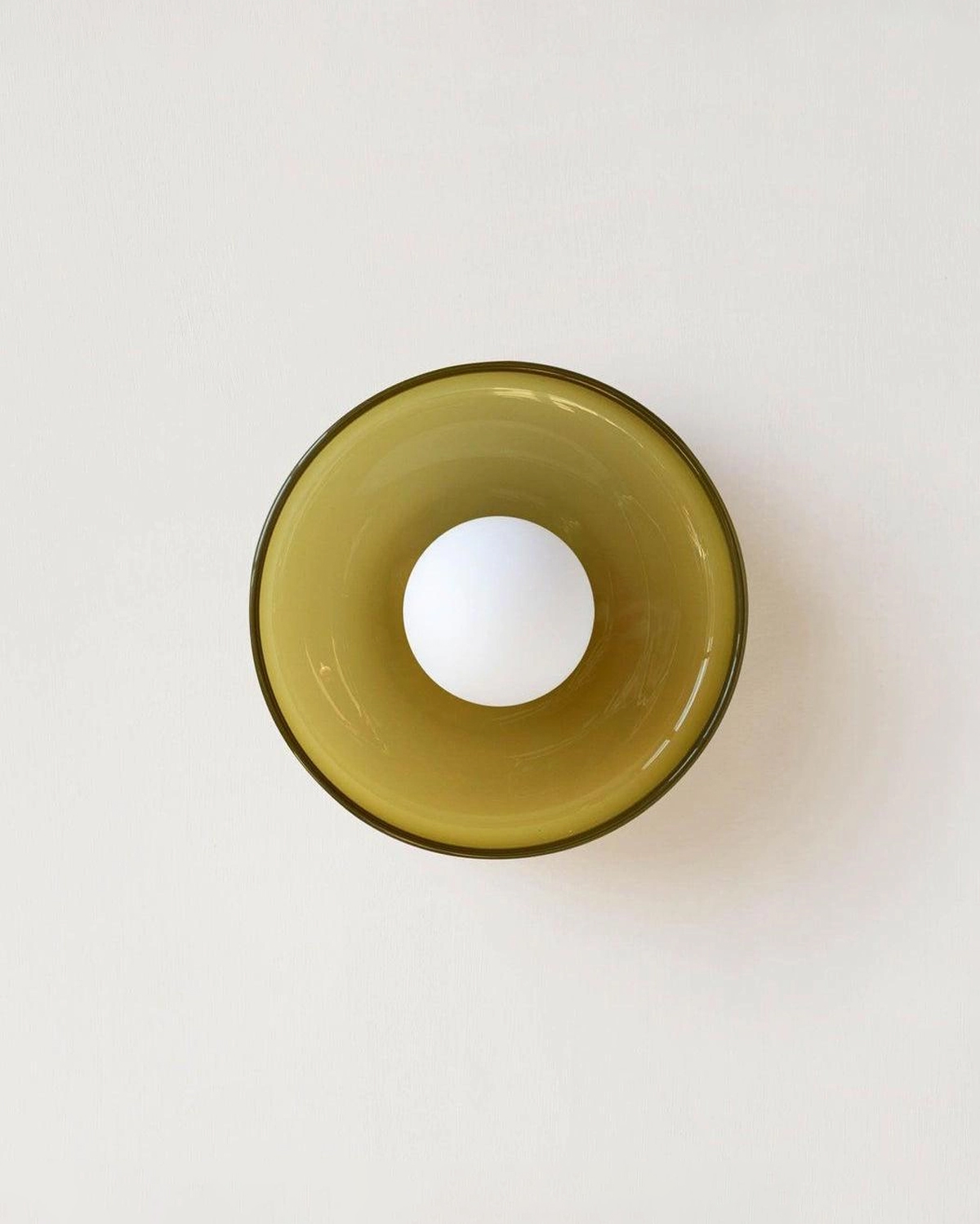
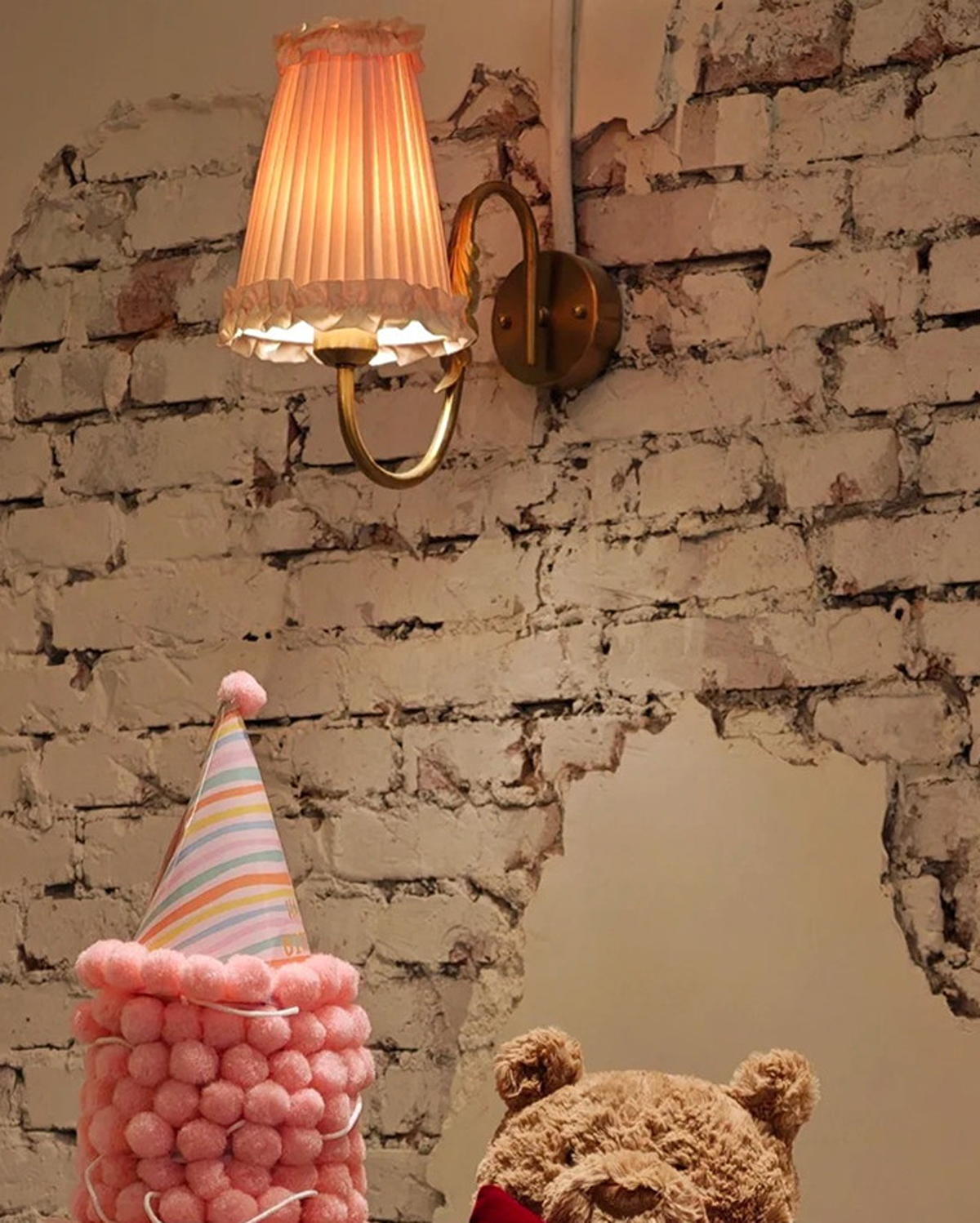
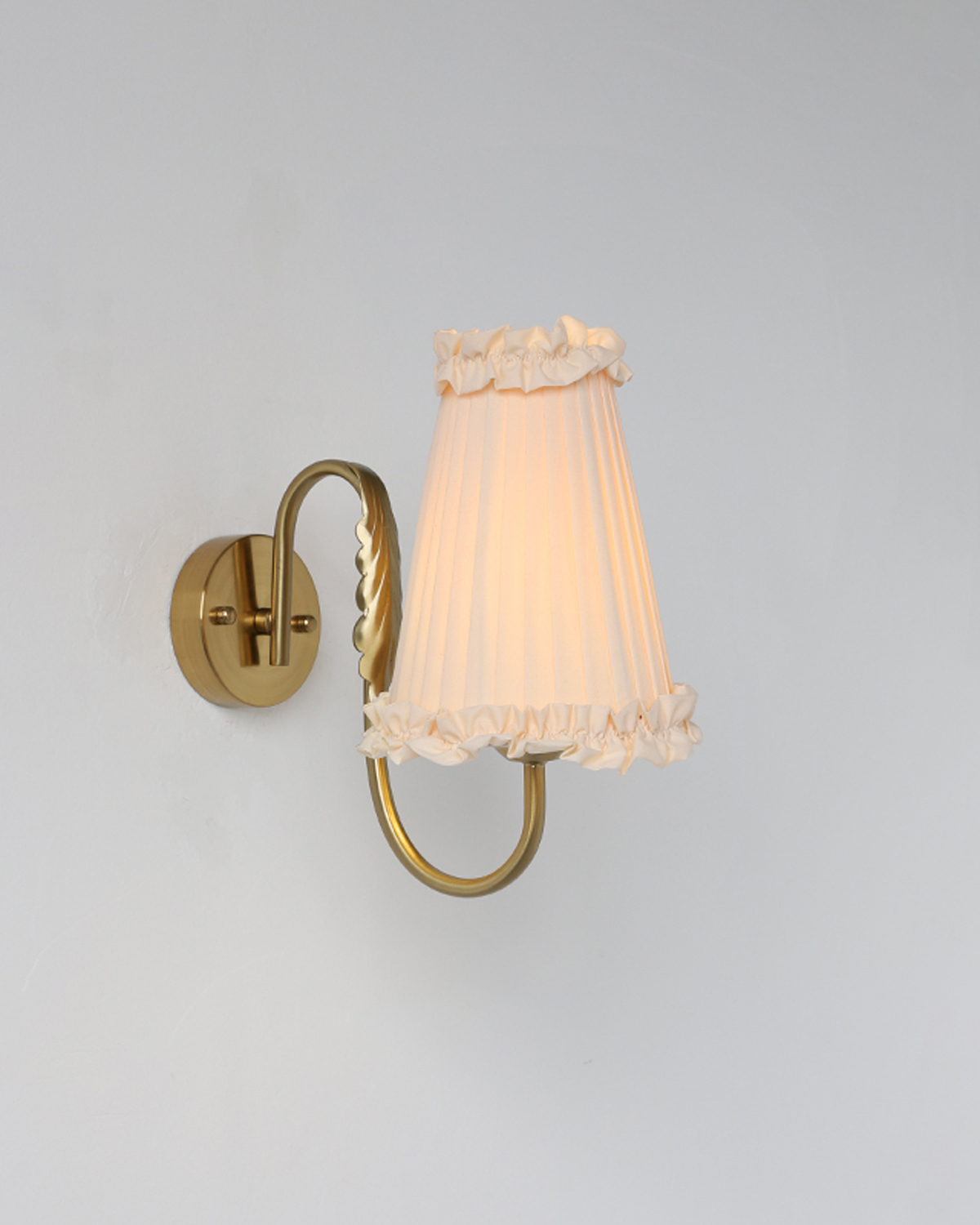
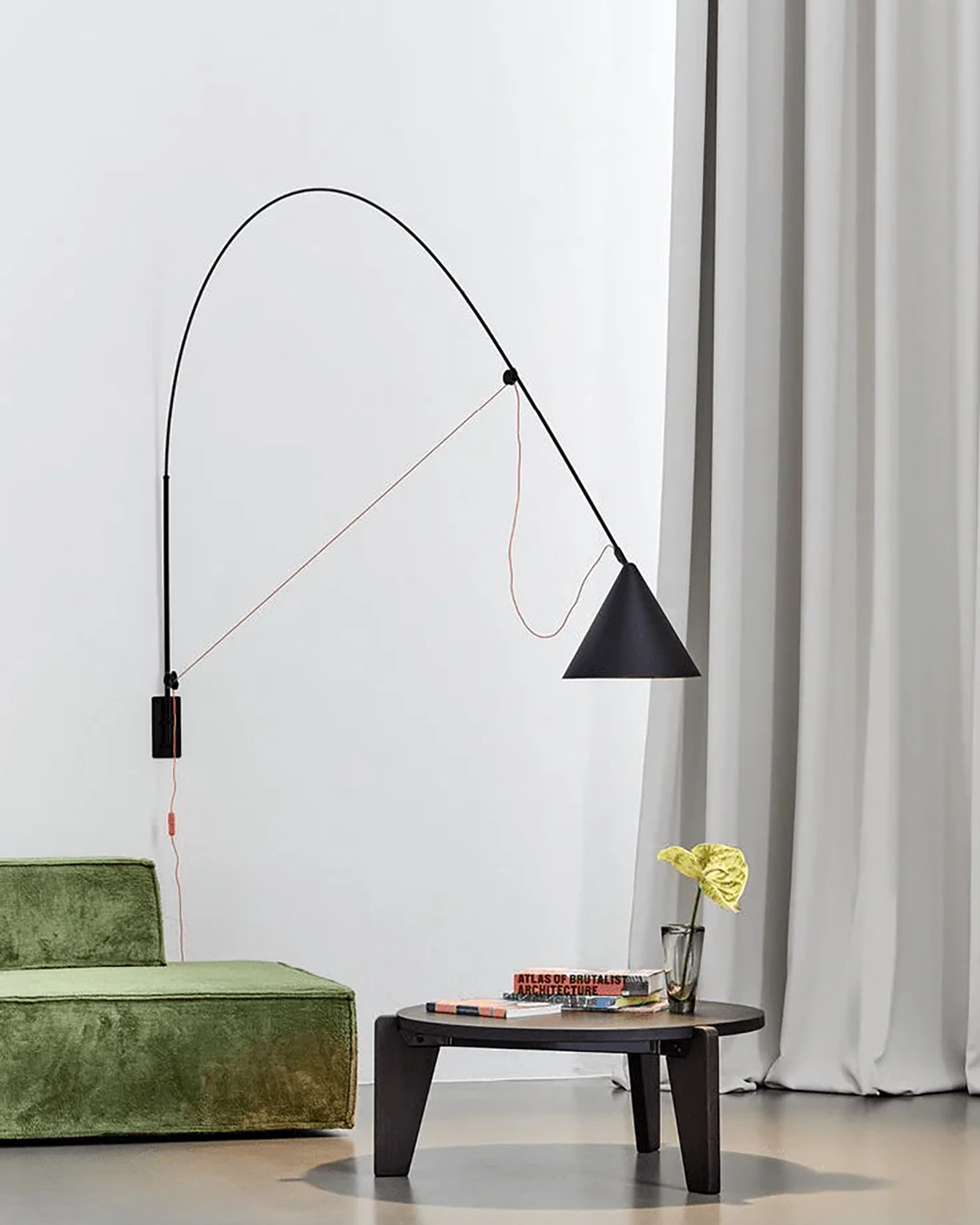
- Accesorios de iluminación montados en la pared.
- Se utilizan como iluminación auxiliar, iluminación para pasillos y escaleras, e iluminación indirecta.
Aviso
- Para evitar golpear la luz al pasar por pasillos y escaleras, o al llevar cosas, es necesario verificar la altura y profundidad del lugar de instalación además de la longitud y ancho de los accesorios de iluminación en sí.
Ver todas las luces de pared
| 7. Luces de pie | 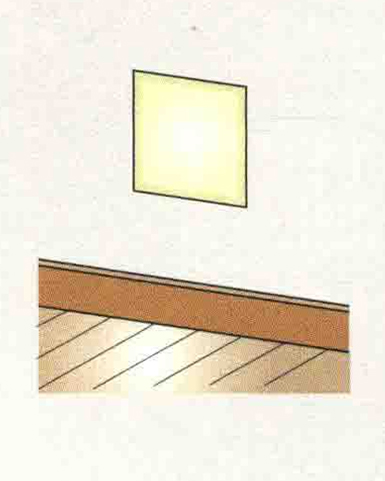 |
Características
- Una lámpara utilizada para iluminar el área alrededor de los pies.
- Cuando se utiliza en hogares, se usa principalmente como una luz de larga duración (luz nocturna).
- Se pueden instalar sensores en dormitorios y pasillos para controlar automáticamente el interruptor.
- En algunos casos, la parte iluminada se puede quitar y usar como linterna en caso de emergencia.
Aviso
- La altura de instalación típica es de 250-300 mm desde el suelo.
- Normalmente se utiliza una caja de interruptores simple o doble para la construcción.
- Para aplicaciones exteriores, generalmente se incrusta una caja especial en el concreto, y las especificaciones de diferentes accesorios de iluminación varían.
- En el caso de la instalación de concreto al aire libre, la caja a veces se entierra al principio del trabajo de construcción. Si desea cambiar el tipo de accesorio de iluminación después, puede que no sea compatible con la caja ya instalada, por lo que debe tener cuidado.
| 8. Downlight | 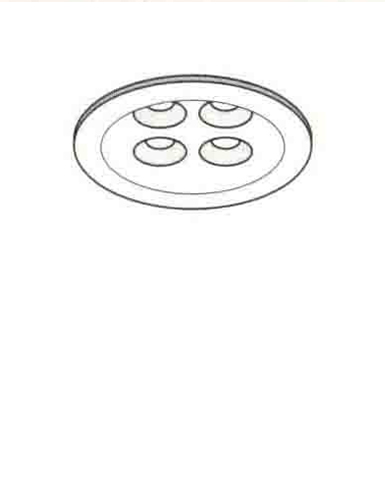 |
Características
- Accesorios de iluminación enterrados en el techo.
- Hay una variedad de fuentes de luz disponibles, como lámparas fluorescentes y lámparas LED.
- Iluminación general, iluminación localizada, iluminación con ángulo de irradiación ajustable, iluminación tipo lavado de pared, etc. Se puede seleccionar el tipo necesario según diferentes usos.
Aviso
- Para uso residencial, la mayoría de las lámparas son compatibles con portalámparas E26 o E17. Si el accesorio de luz es pequeño, se utiliza E17 como estándar, y hay dos tipos de montaje, vertical y horizontal (como se muestra a continuación), para la fuente de luz.
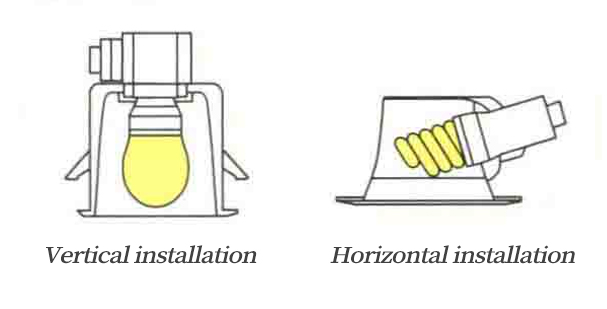
- Es necesario seleccionar las lámparas adecuadas de acuerdo con el espacio interior del techo y el aislamiento térmico del techo.
- Métodos de aislamiento del techo y downlights correspondientes
- Método de llenado: tipo SB
- Método de alfombrado aislante térmico: tipo SB
- Método de alfombrado aislante térmico con resistencia térmica de 6.6㎡ K/W o menos: tipo SGI
- Método de alfombrado aislante térmico con resistencia térmica de 4.6㎡ K/W o menos: tipo SG
| 9. Foco | 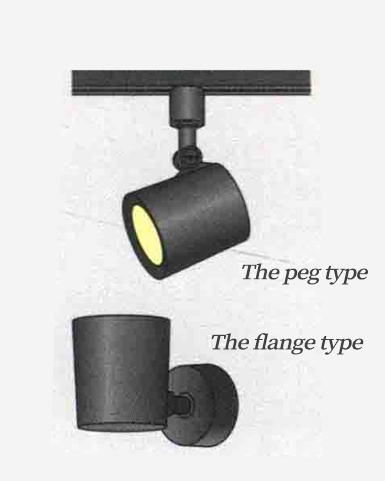 |
Características
- Utilizado para iluminar centralmente una parte de una habitación.
- Hay dos tipos: el tipo de clavija, que se monta en un riel (trunking) para iluminación, y el tipo de brida, que se monta directamente en el techo o la pared.
- El tipo de clavija se puede ajustar fácilmente en número y posición después de la construcción.
- El tipo de brida es más estéticamente agradable.
Aviso
- Si instala un gran número de focos tipo clavija en el mismo riel de iluminación, la altura del techo de una casa típica hará que los accesorios de iluminación sean bastante conspicuos, por lo que es mejor instalar de 2 a 3 accesorios como máximo en un riel de 1000 mm.
- El número máximo de focos que se pueden instalar en un riel de iluminación depende del número total de tornillos de fijación.
- Si un sistema de conmutación para circuitos de atenuación está montado en un riel de iluminación, no es posible montar luminarias no regulables en este riel.
| 10. Iluminación de baño | 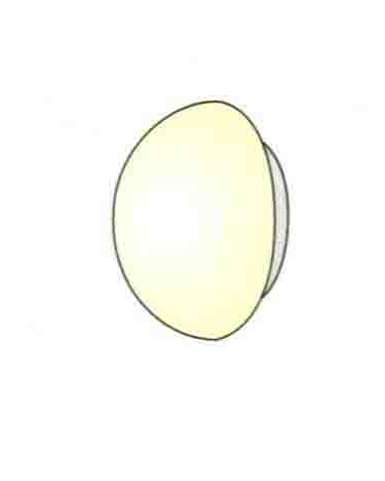 |
Características
- Debe ser capaz de resistir gotas de agua y humedad.
- Se utilizará un anillo de goma para sellar el espacio entre la pantalla y el propio accesorio.
- También hay algo de iluminación indirecta, pero la gran mayoría son luces de pared o de techo.
Aviso
- Deben utilizarse lámparas que estén claramente documentadas como resistentes a la humedad y la humedad y a prueba de lluvia.
Las pantallas de lámpara deben estar preferiblemente hechas de policarbonato con buena durabilidad. - Las lámparas con una vida útil más larga reducirán la cantidad de veces que se abre y cierra la pantalla, evitando que el sello se debilite.
- Al usar lámparas LED, es necesario verificar si las lámparas son del tipo sellado para prevenir fallas.
Un plan de iluminación bien considerado es fundamental tanto para la funcionalidad como para la coherencia estética de cualquier espacio residencial. Cada tipo de accesorio de luz, desde la iluminación ambiental general hasta soluciones específicas de tarea y acento, juega un papel estratégico en la forma en que se experimenta y utiliza un espacio. Al comprender las fortalezas y aplicaciones de varios accesorios, tanto los propietarios como los diseñadores pueden tomar decisiones informadas que mejoren la comodidad visual, apoyen las actividades diarias y contribuyan a un diseño interior cohesivo. En última instancia, lograr el equilibrio adecuado de luz en su hogar no es solo una cuestión de estilo, sino un elemento clave para crear un espacio que se sienta tanto hermoso como habitable.