


Weather-resistant wall lights and garden fixtures that keep your outdoor spaces glowing beautifully, 24/7, 365 days a year.
Key Points of Lighting Design in Living Room and Dining Room
Sep 15,2025 | elegaLight
In residential design, each space has its own characteristics. The specific requirements and considerations for lighting design also vary. When thinking about architectural design plans, it is best to prepare a lighting plan from the early stages. By integrating the architectural design with the lighting plan, a harmonious home life and lighting environment can be created.
Living Rooms and Dining Rooms Require Different Lighting for Different Scenes
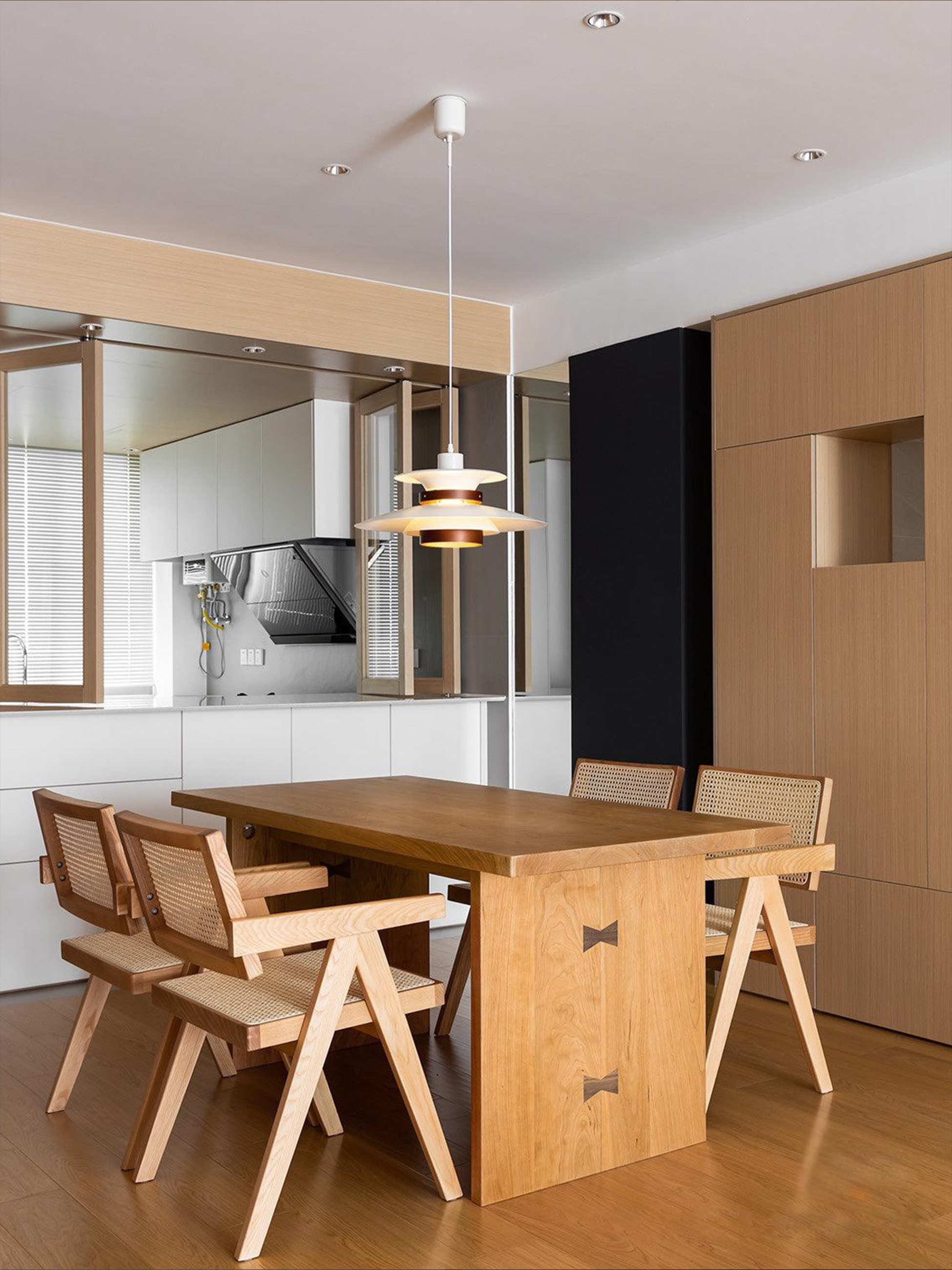
The living room and dining room are primarily places for family gatherings, but they are also occasionally used to entertain guests. Since the same space can serve multiple functions depending on the scene, it is essential to carefully plan the lighting before use. Proper design can create flexible and diverse atmospheres within the space.
Specifically, the dining room, as a central gathering place, should be fitted with ceiling lighting. While general lighting may be sufficient for everyday use, the brightness should be maintained above 300 lx. Wall surfaces can be enhanced with accent lighting, which can be combined with floor lamps or table lamps to enrich the space. This will prevent the space from appearing monotonous.
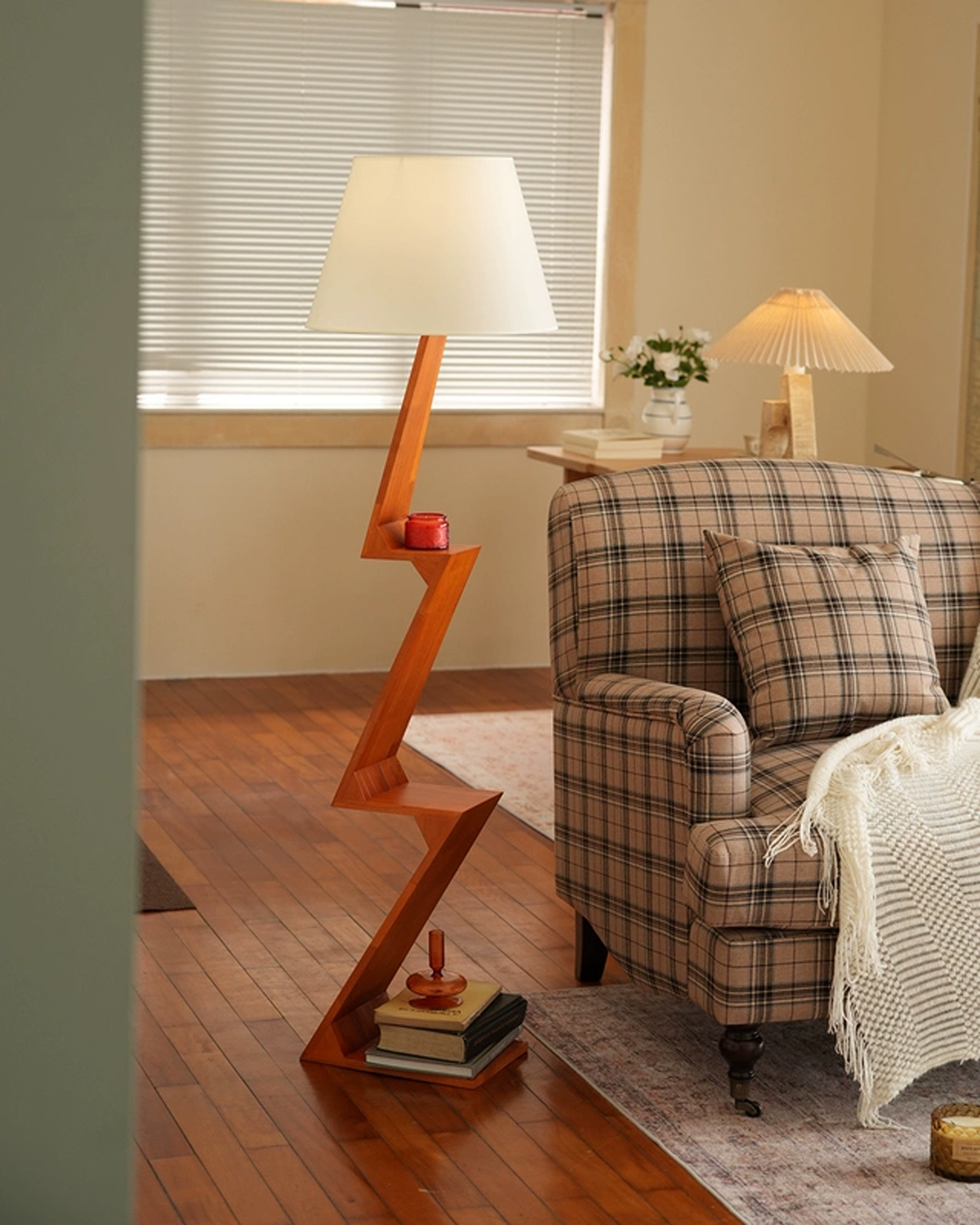
For ceilings, walls, and flooring, different zones can be highlighted with lighting to avoid uneven or unbalanced atmospheres.
The Sense of Space Created by “One Room, One Light” vs. Multiple Light Sources
One Room, One Light
Using a single ceiling light in one room creates a uniform brightness, but the space lacks distinctive atmosphere.
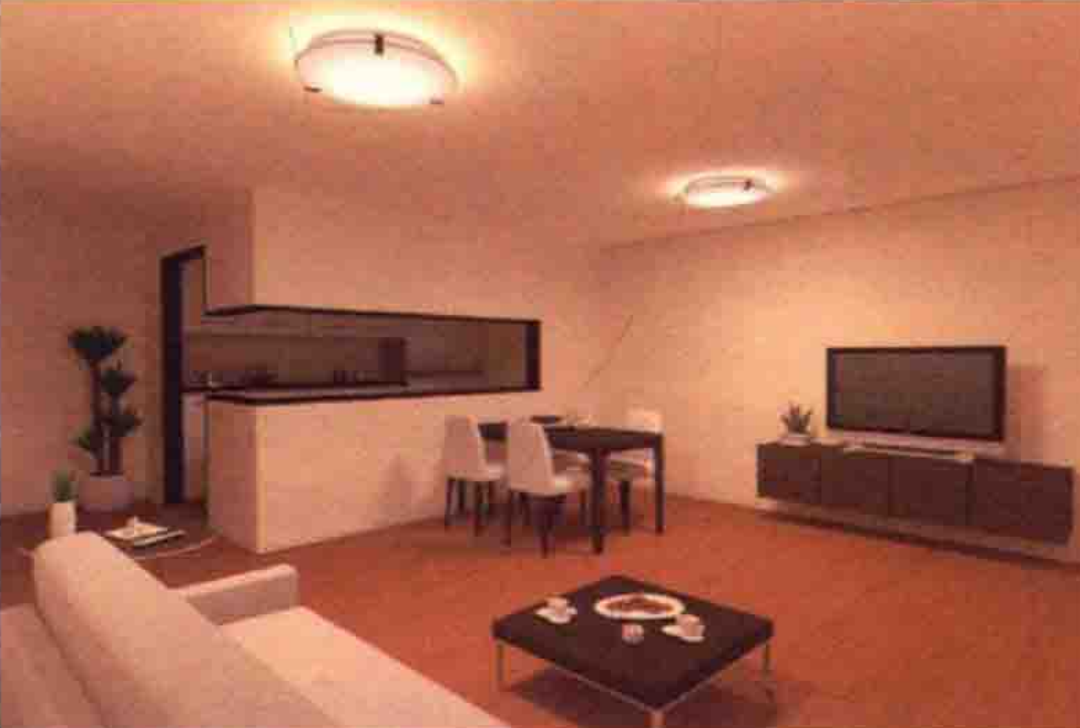
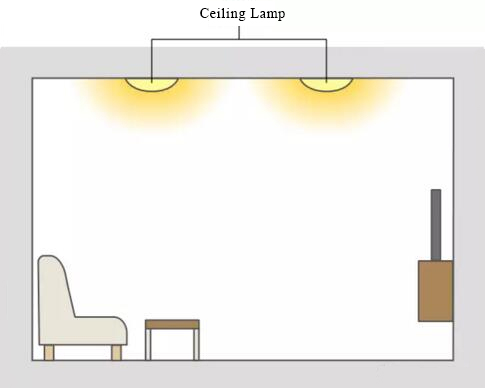
- Ceiling light illuminates the entire space evenly.
Multiple Light Sources
By placing lighting fixtures in different areas and at various heights, compared to the “one room, one light” approach, the sense of spatial layering and three-dimensionality is more pronounced. Additionally, lighting controls can be set according to the characteristics of each fixture.
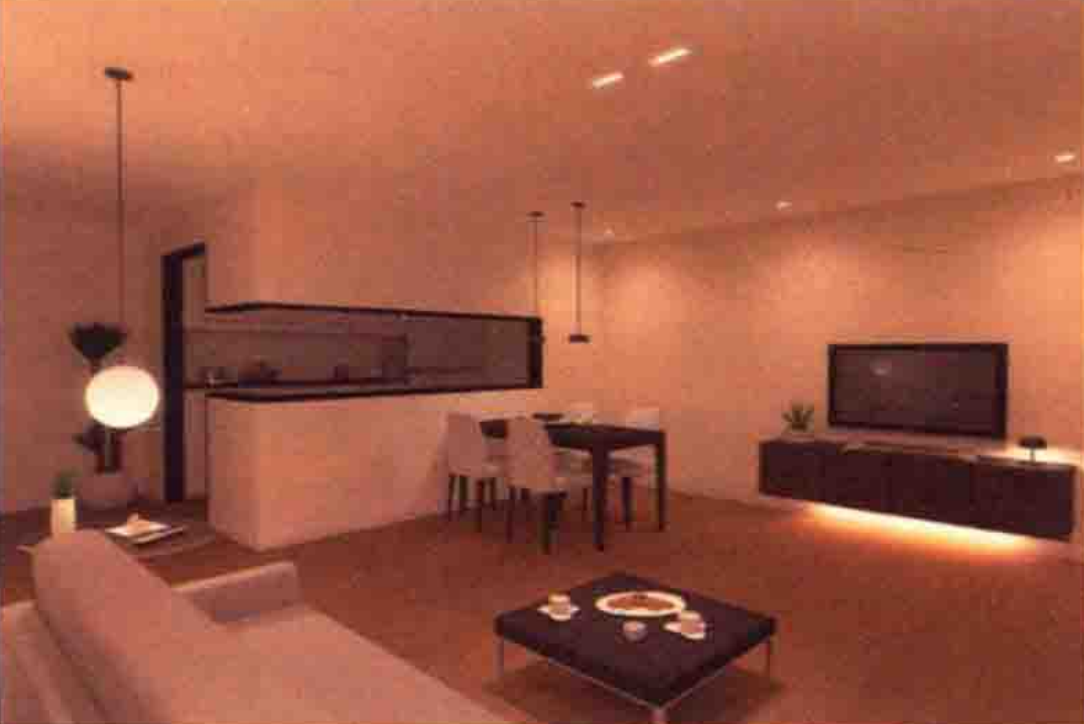
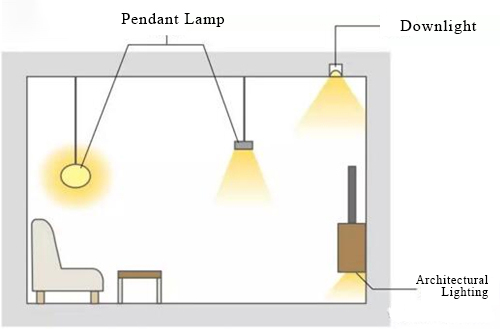
- Pendant lamps, Downlight, and architectural lighting create brightness at different heights, highlighting specific zones within the space.
Selective Use of General Lighting and Indirect Lighting
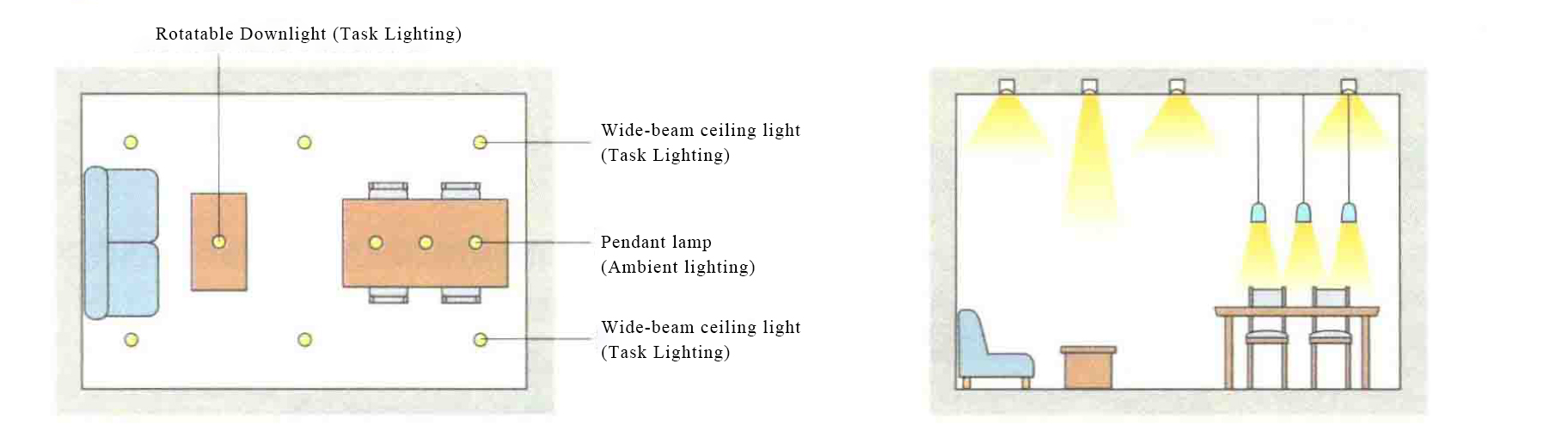
- Wide-beam ceiling lights are suitable as general lighting, ensuring an average floor illuminance of 50–100 lx.
- When designing lighting for a dining room or living room, it is important to set up both general lighting and task/ambient lighting, along with dimming controls.
- Even with general lighting, the effects of ceilings, walls, and floors create different impressions. Without curtains, outdoor brightness penetrates through glass, eliminating reflections; thus, the interior may appear relatively darker.
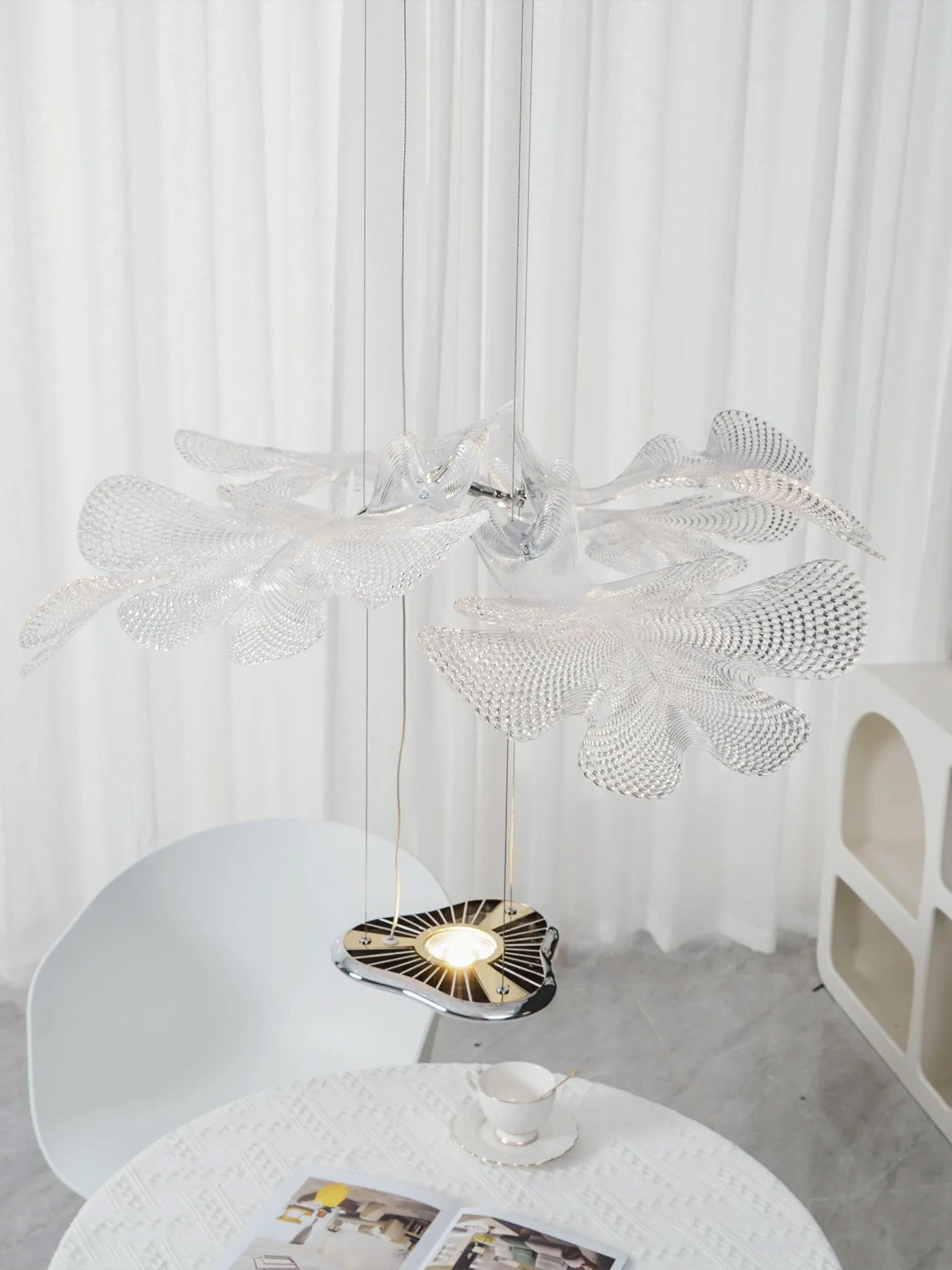
Basic Principles for Lighting Fixture Placement
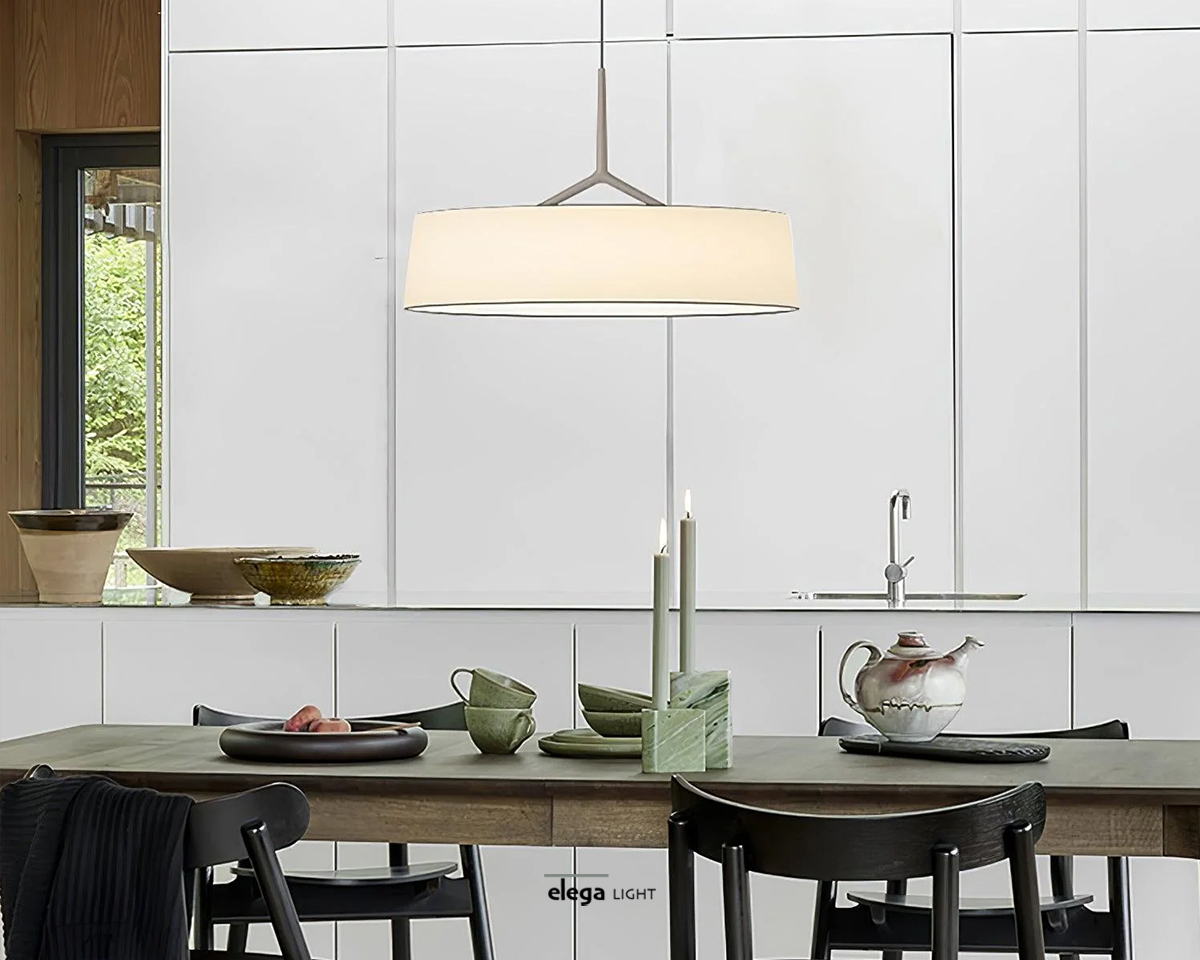
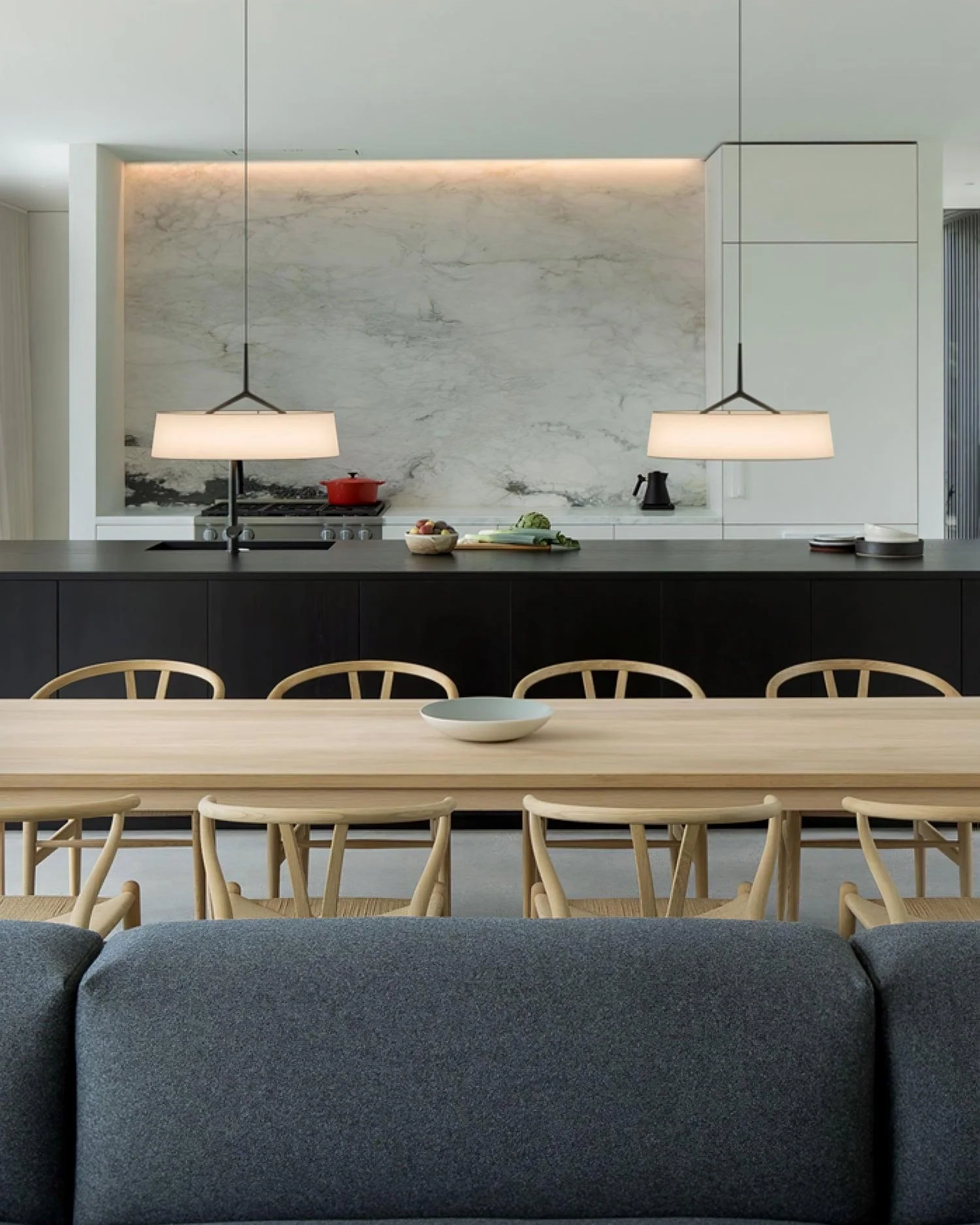
① Pendant Lamps Above Dining Tables
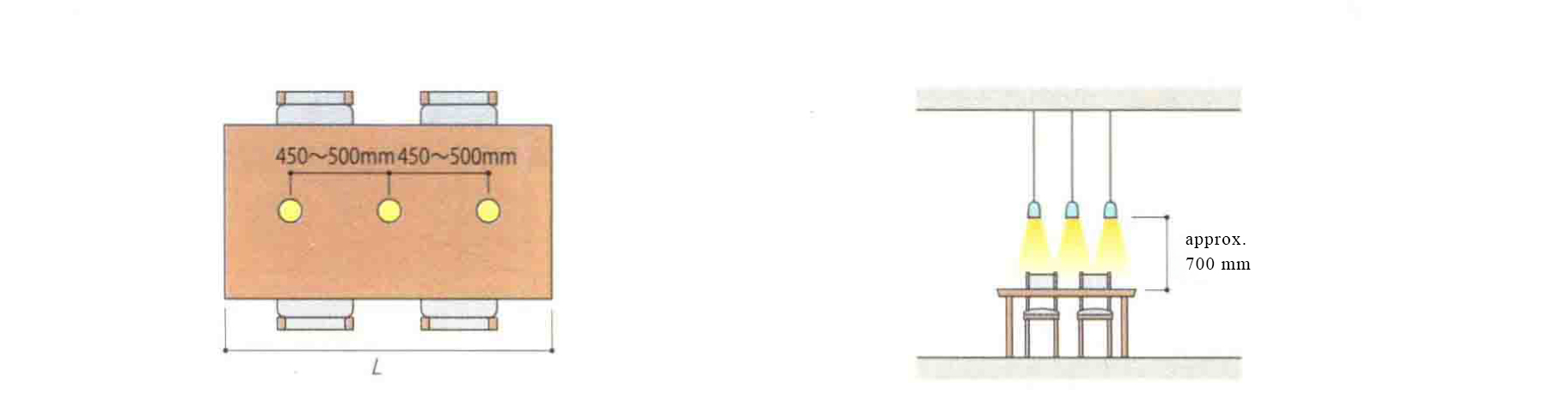
- The diameter of each fixture can be approximately one-third of the table’s width as a guideline.
Example: L = 1500 mm = ∅ 500 mm × 1 fixture. - For multiple fixtures, the number should be one fixture per one-third of the table length.
Example: L = 1500 mm ÷ 3 × 1/3 = ∅ 160 mm. - When using a track lighting system, even if the size or position of the dining table changes, the layout can be easily adjusted to match.
- The hanging height of pendant lamps must consider whether seated persons can see one another across the table.
- Illuminance on the tabletop should be adjusted to 200–500 lx.
② Downlights Above Dining Tables
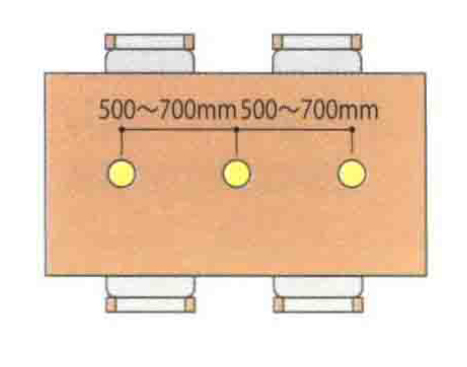
- Above a table, place 2–4 fixtures at 500–700 mm intervals, providing 200–500 lx on the table surface.
- If using adjustable downlights or recessed downlights, the lighting direction can be modified to suit different conditions.
Adjusting Living Room and Dining Room Lighting According to the Scene
In a multi-light setup, diverse atmospheres can be created through different combinations and dimming.
Below are examples of brightness distribution for different scenarios:
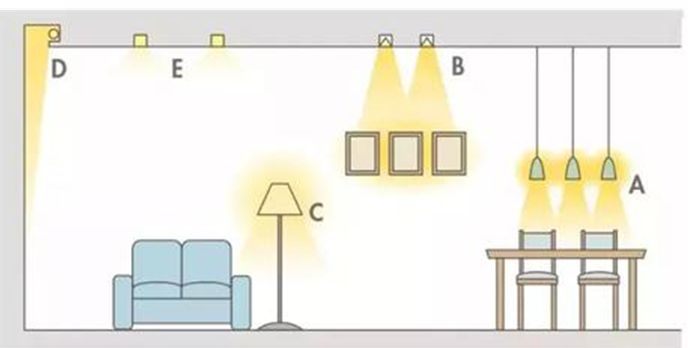
① During Dinner
- Pendant lamps above the dining table: 100%
- Downlights directed at the wall: 80%
- Floor lamp: 50%
- Indirect wall lighting: 80%
- Basic downlights: 0–20%
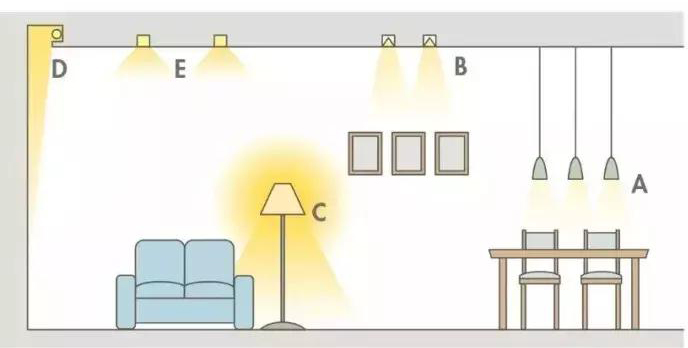
② During Family Gatherings
- Pendant lamps above the dining table: 0–20%
- Downlights directed at the wall: 30%
- Floor lamp: 80–100%
- Indirect wall lighting: 80%
- Basic downlights: 20–100%
*The output of the basic downlights can be adjusted according to the scene.
Example of Living Room and Dining Room Lighting
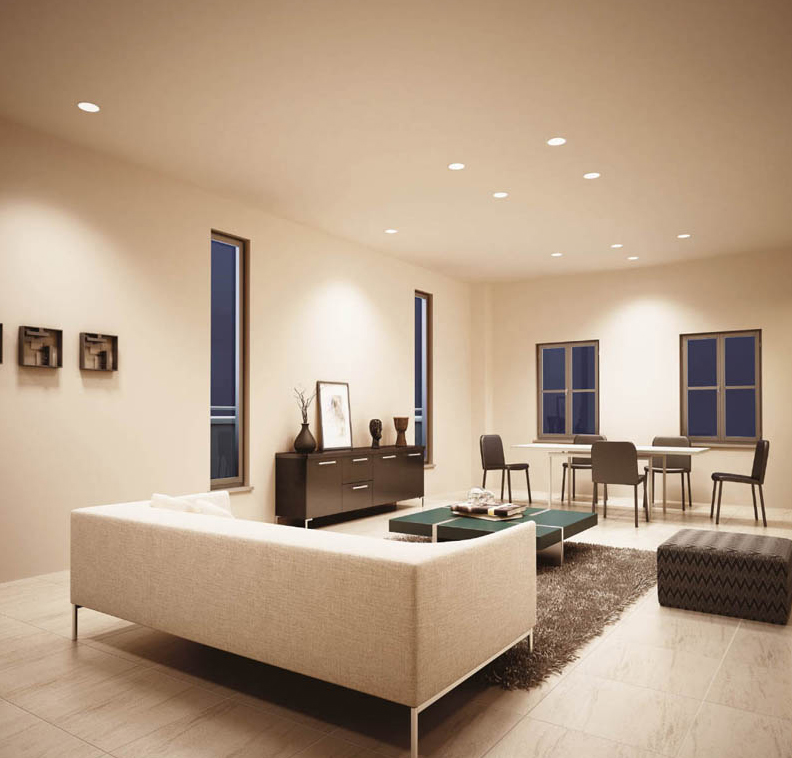
- Even without using pendant lamps, multiple downlights can be arranged over the dining area to secure sufficient brightness on the tabletop.
- If lighting relies only on ceiling-mounted downlights, the living and dining spaces may appear flat and lack atmosphere.
Ultimately, lighting design is not only about providing illumination, but about shaping the atmosphere of home life. When general, task, and accent lighting are thoughtfully combined, living and dining spaces can transform with ease—from the intimacy of family dinners to the warmth of joyful gatherings. A well-planned lighting scheme brings comfort, flexibility, and beauty, making light an integral part of daily living.
Comment