

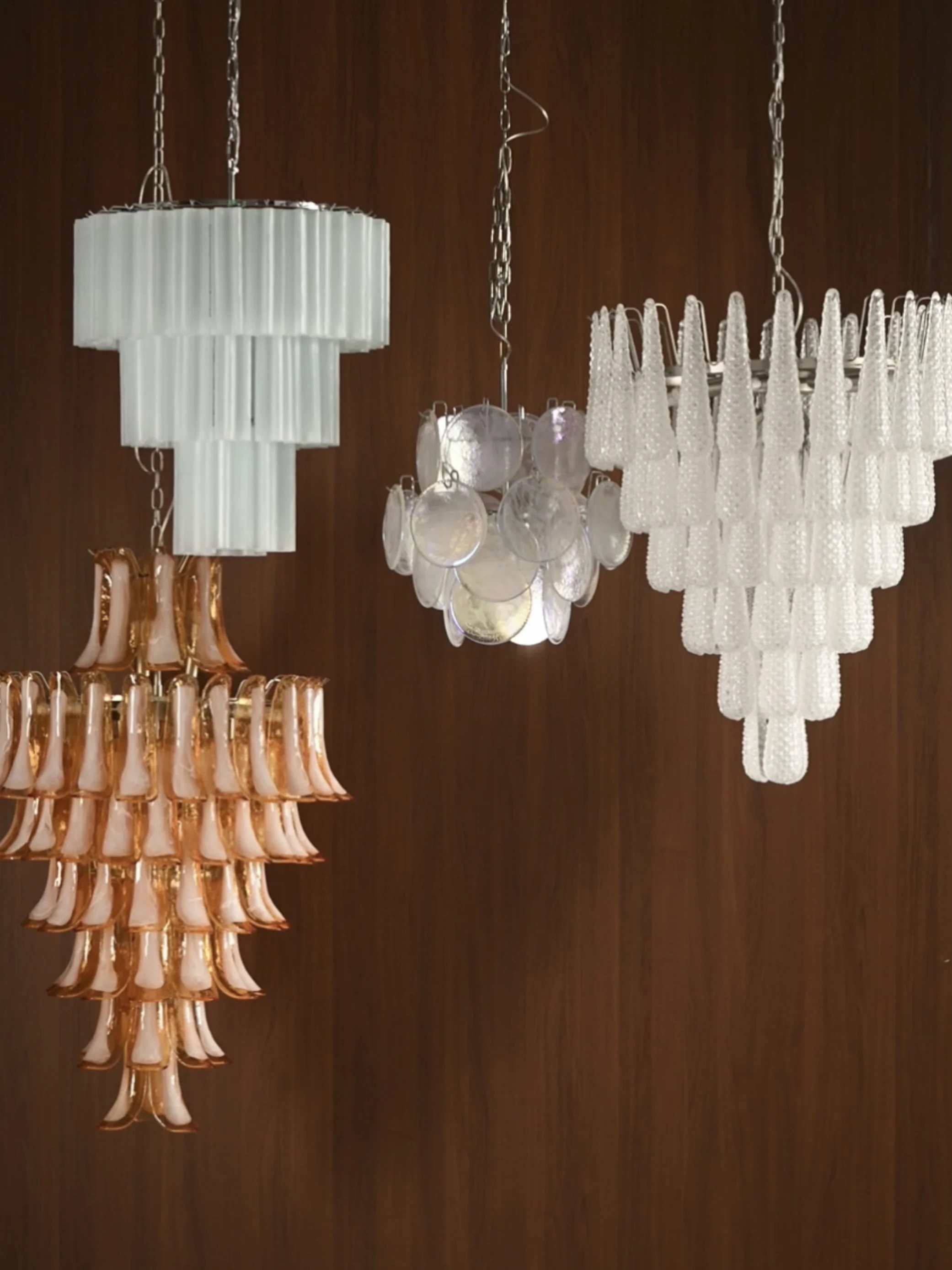

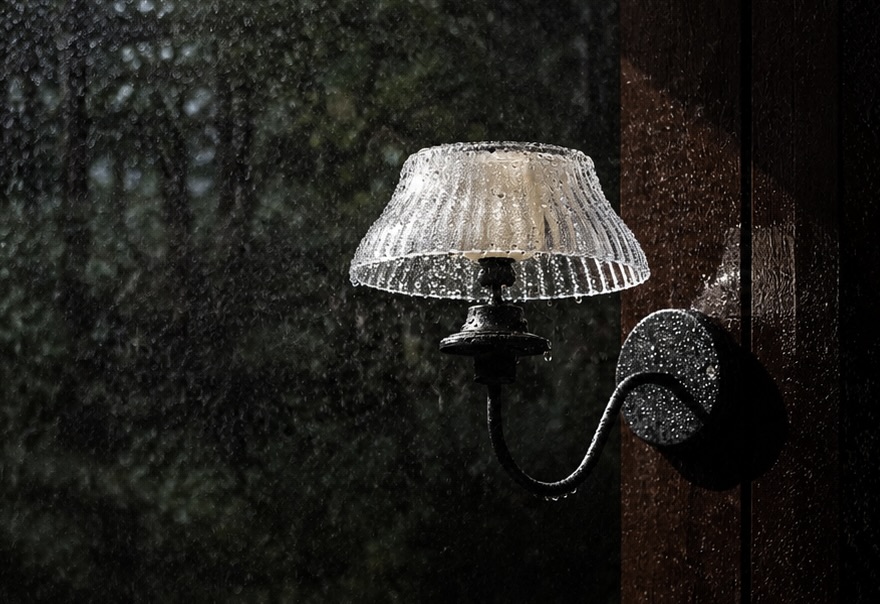
Weather-resistant wall lights and garden fixtures that keep your outdoor spaces glowing beautifully, 24/7, 365 days a year.
Smart Lighting Design for Every Room: A Designer’s Guide to Function and Atmosphere
Sep 03,2025 | elegaLight
Lighting can make or break a space. In residential lighting design, it’s not just about style—it’s about creating safe, functional, and emotionally resonant environments. This guide highlights room-by-room strategies that help designers transform everyday interiors into exceptional living spaces.
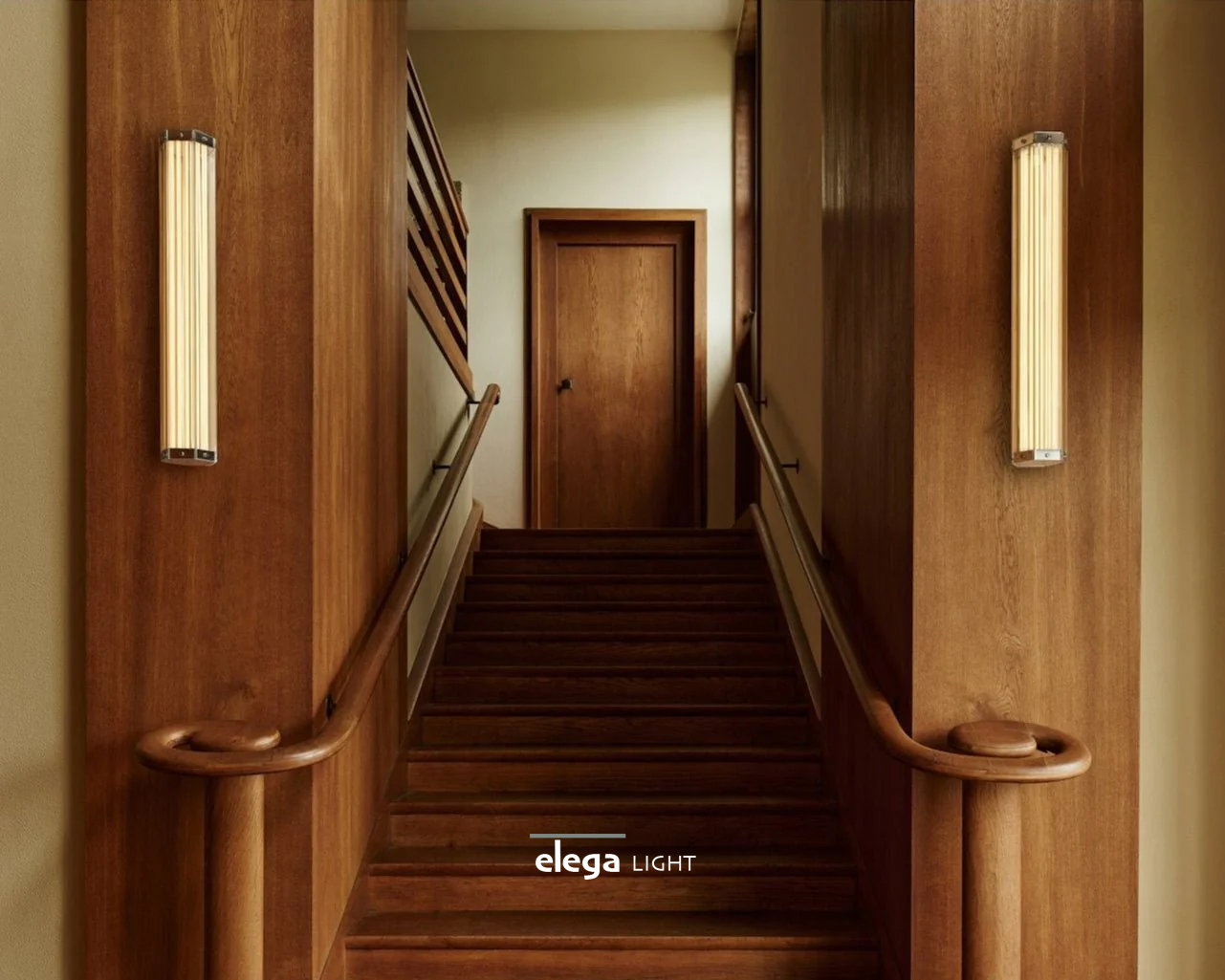
1. Entryway Lighting Ideas: First Impressions That Last
The entryway sets the tone for the entire home. Lighting should ensure visual comfort while enhancing the aesthetic.
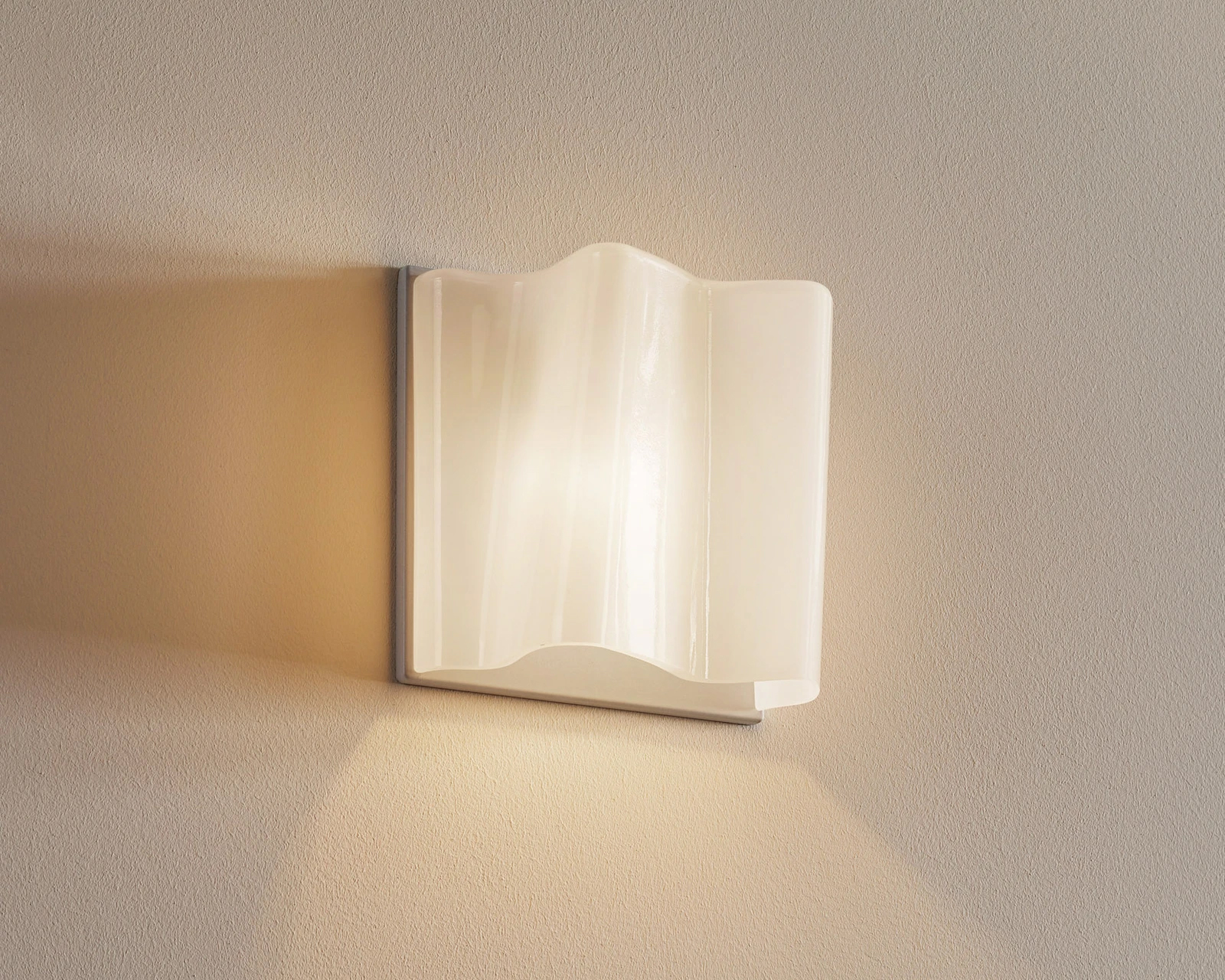
Key points: Avoid glare, choose fixtures proportionate to the space, and consider recessed downlights or wall sconces.
Designer insight: Layered architectural lighting combined with reflective surfaces such as stone, metal, or mirrors can deepen the sense of welcome and make a lasting impression.
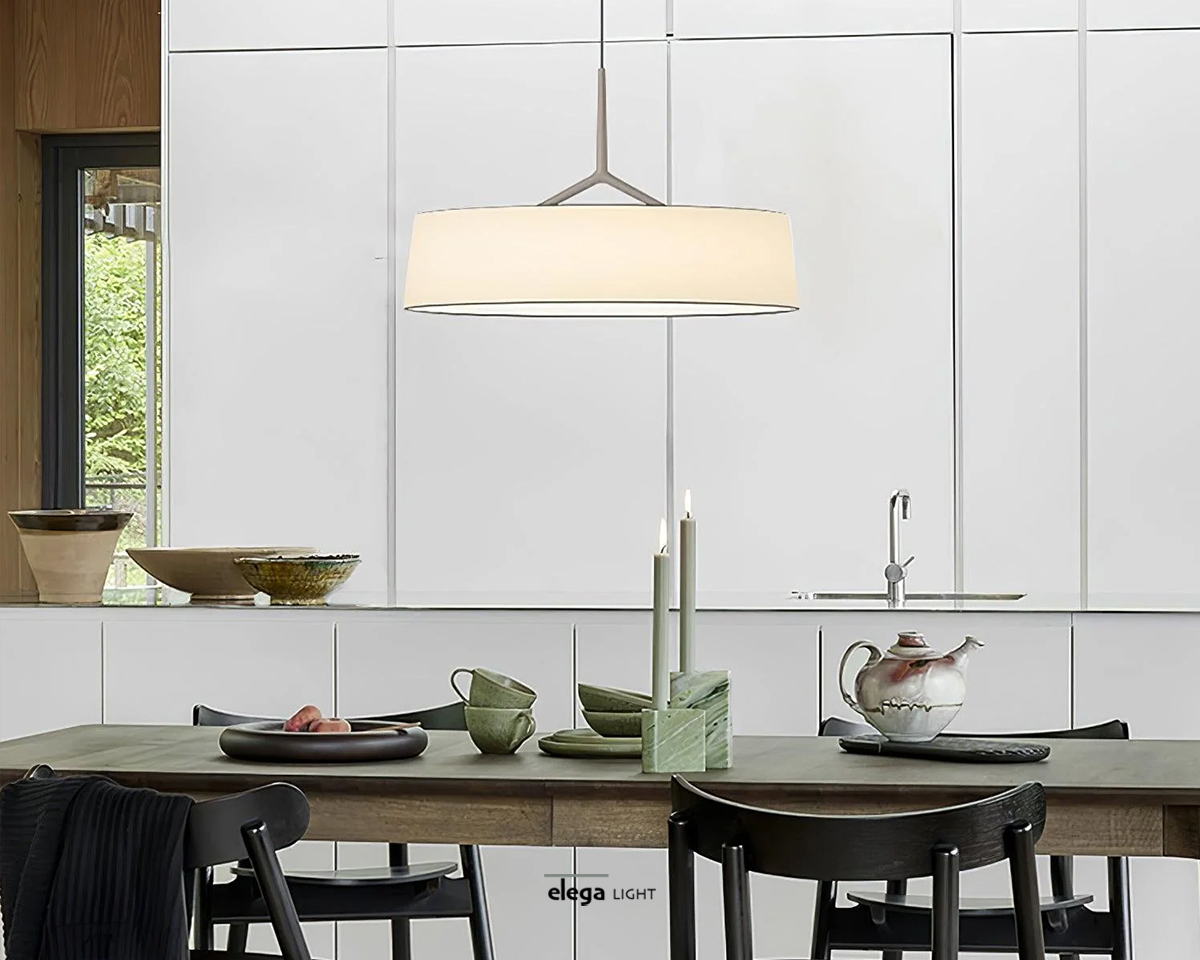
2. Kitchen Lighting Tips: Bright, Functional, and Efficient
The kitchen is one of the most demanding zones in residential lighting.
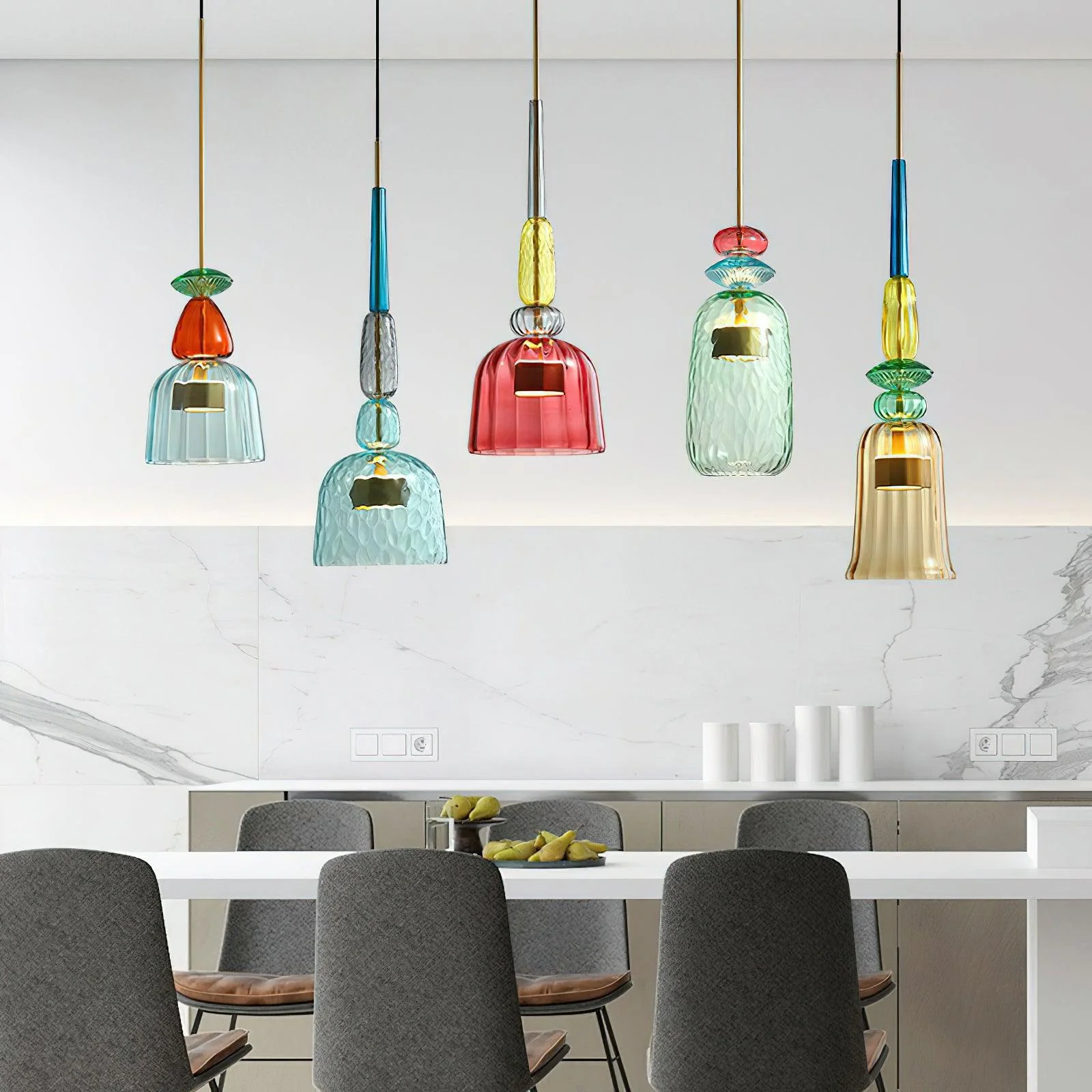
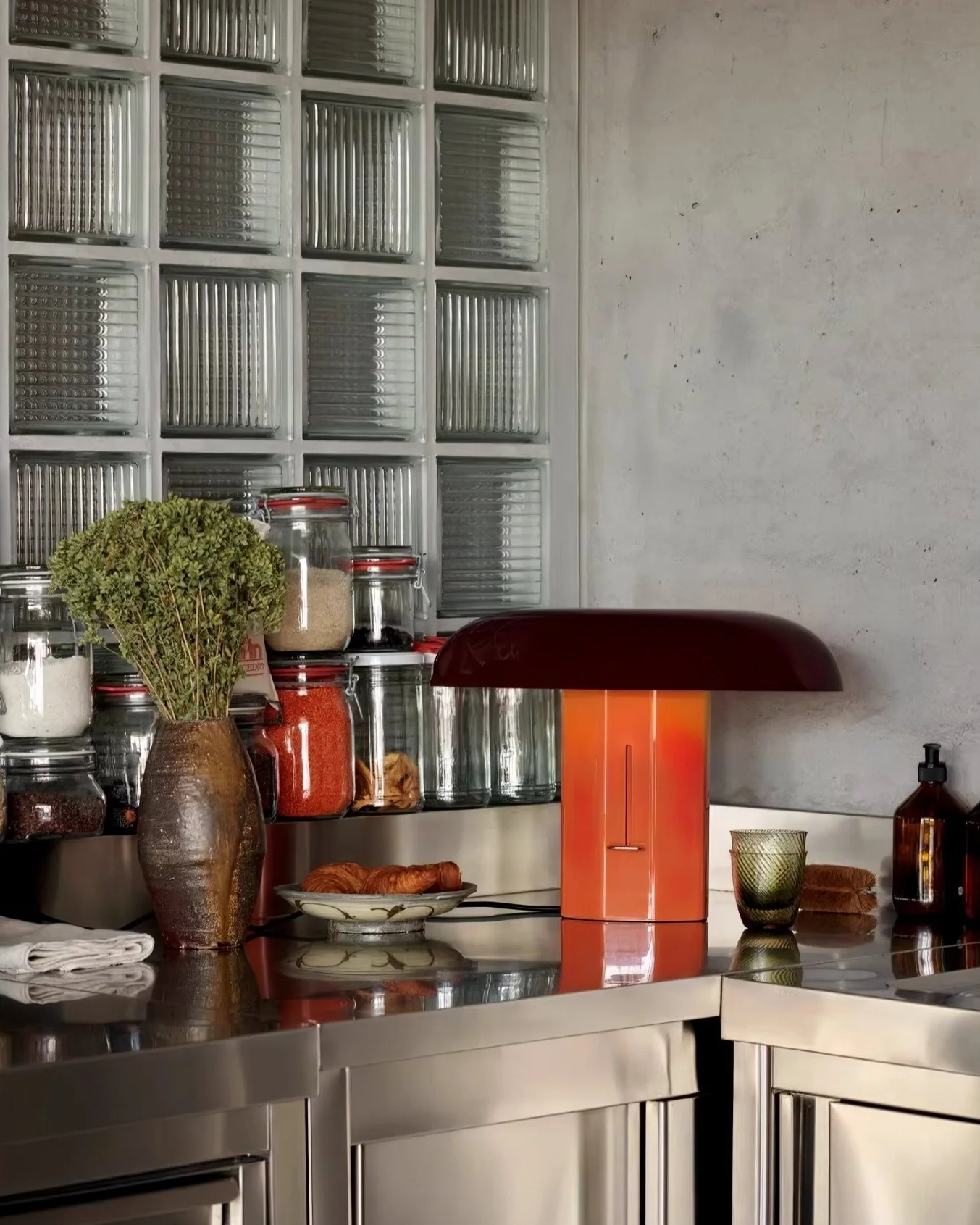
Focus zones: General lighting, countertops, and wall-mounted cooking areas.
Recommendations:
- Use under-cabinet lighting to eliminate shadows on work surfaces.
- Select energy-efficient LED fixtures for balanced brightness and longevity.
- Provide multiple grounded outlets to support appliances running simultaneously.
Designer insight: In open-plan layouts, kitchen lighting should integrate with living and dining areas. Pendant fixtures, dimmable systems, or task-to-ambient layering allow for smooth transitions between cooking and entertaining.
3. Bathroom Lighting Design: Safety Meets Serenity
Bathrooms demand lighting solutions that prioritize moisture resistance and user comfort.
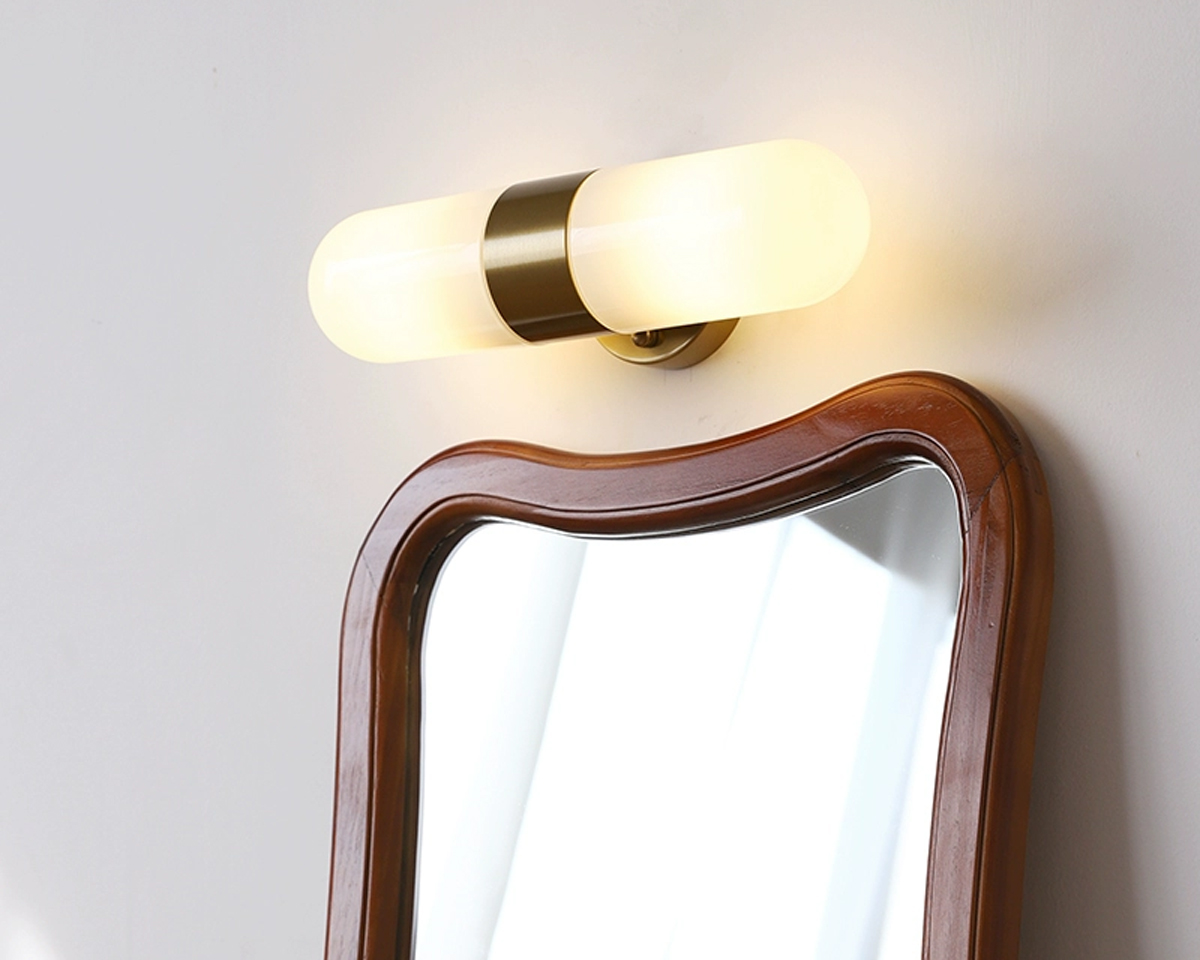
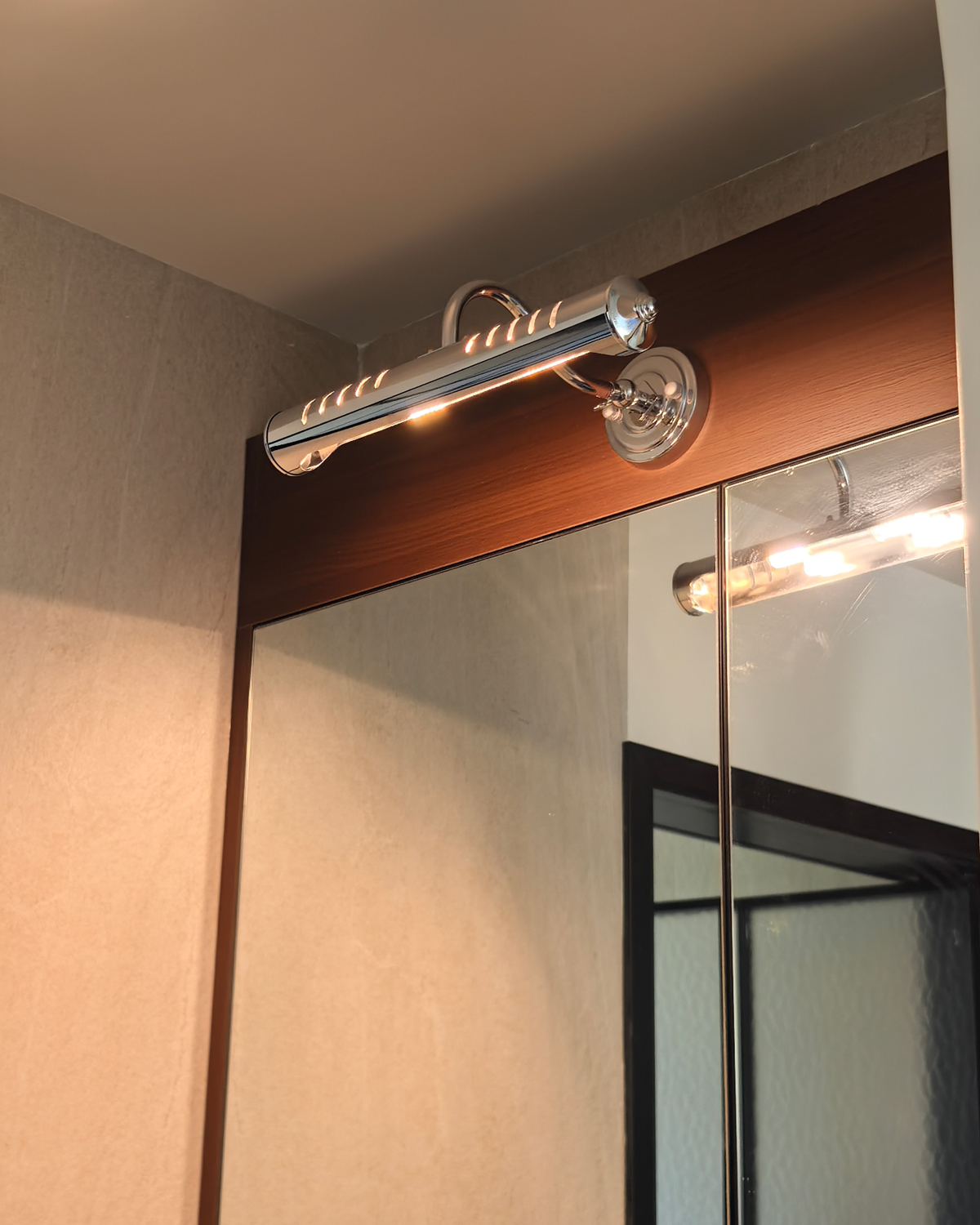
Key points:
- Install waterproof fixtures in shower and bathing zones.
- Ensure vanity lights deliver accurate brightness and color rendering for daily tasks.
- Avoid high or hard-to-maintain light placements.
Designer insight: Bathroom lighting design can go beyond functionality. Warm-toned lights can create a spa-like atmosphere, while cooler tones energize morning routines. Adding smart dimming features lets users shift between relaxation and task-focused settings.
4. Lighting Near Water: Safety-First Design Considerations
Spaces close to water—balconies, laundry rooms, or washstands—require extra care in electrical and lighting design.
Requirements: Grounded outlets are essential to reduce hazards.
Design tips:
- Factor in natural light sources like windows when planning artificial lighting.
- Plan for sufficient outlets to handle the growing number of small appliances.
Designer insight: Utility areas can double as lifestyle zones. Combine greenery, textured finishes, and ambient light to create a semi-outdoor mood that elevates the space beyond its practical purpose.
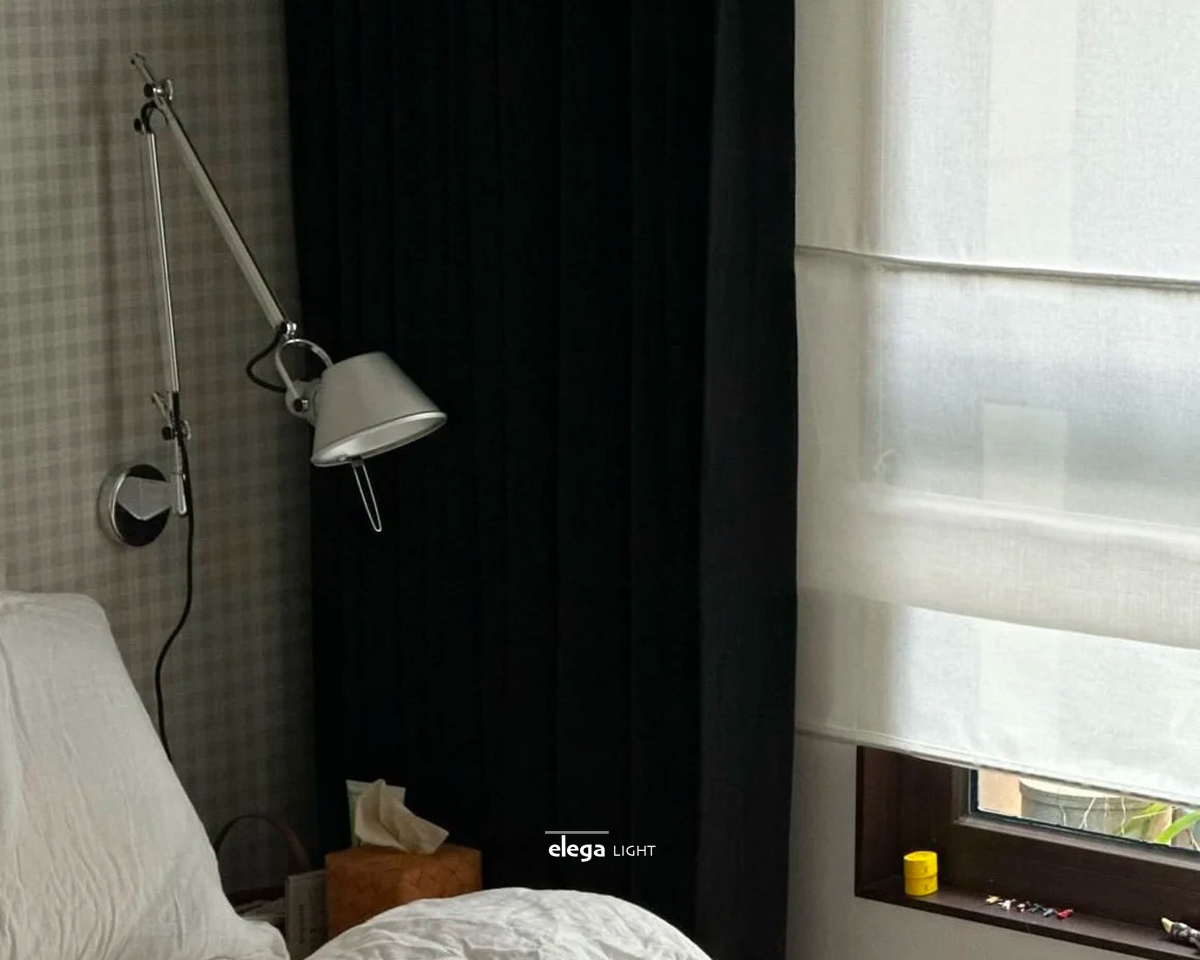
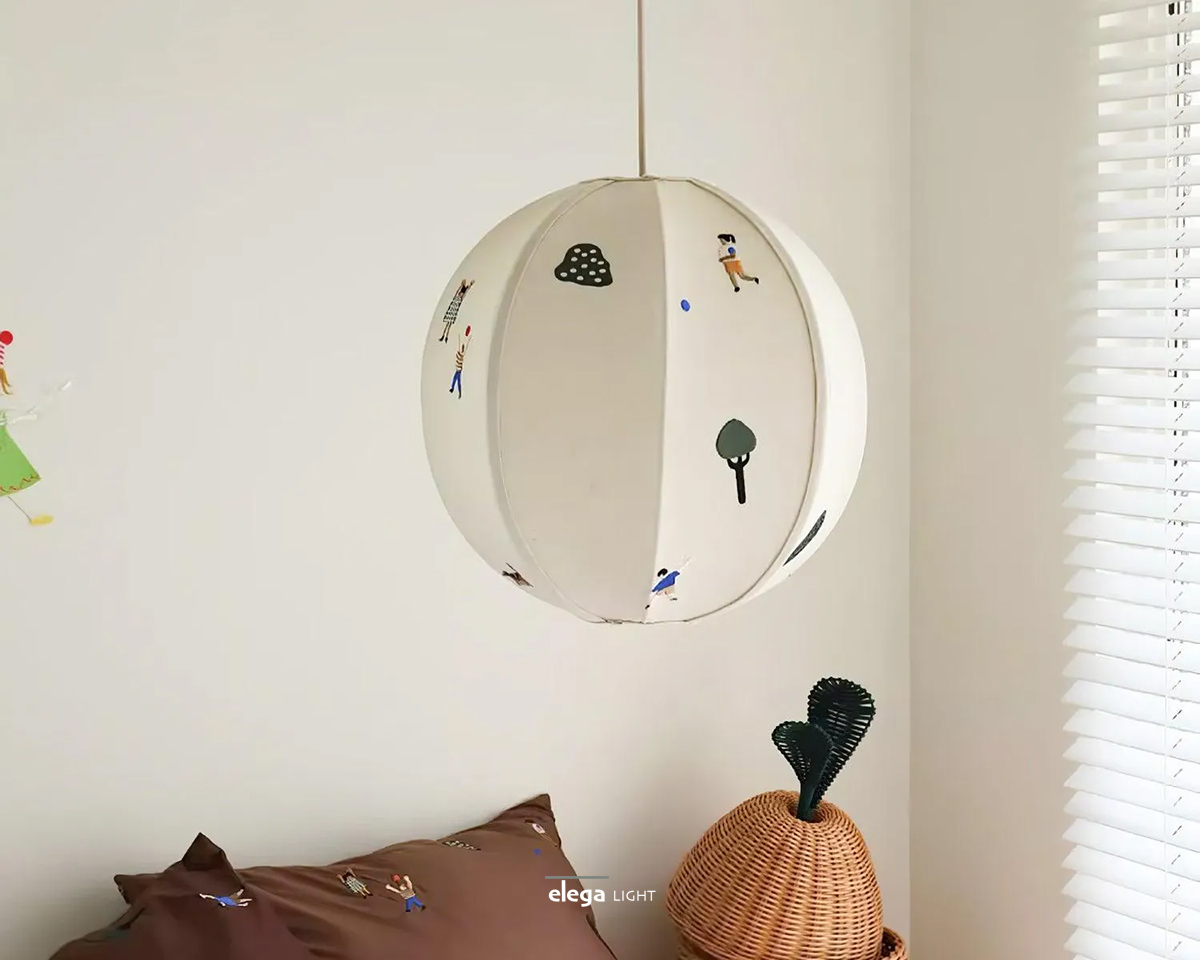
5. Bedroom & Kids’ Room Lighting: Comfort, Control, and Care
Bedrooms and children’s rooms highlight the importance of human-centered lighting.
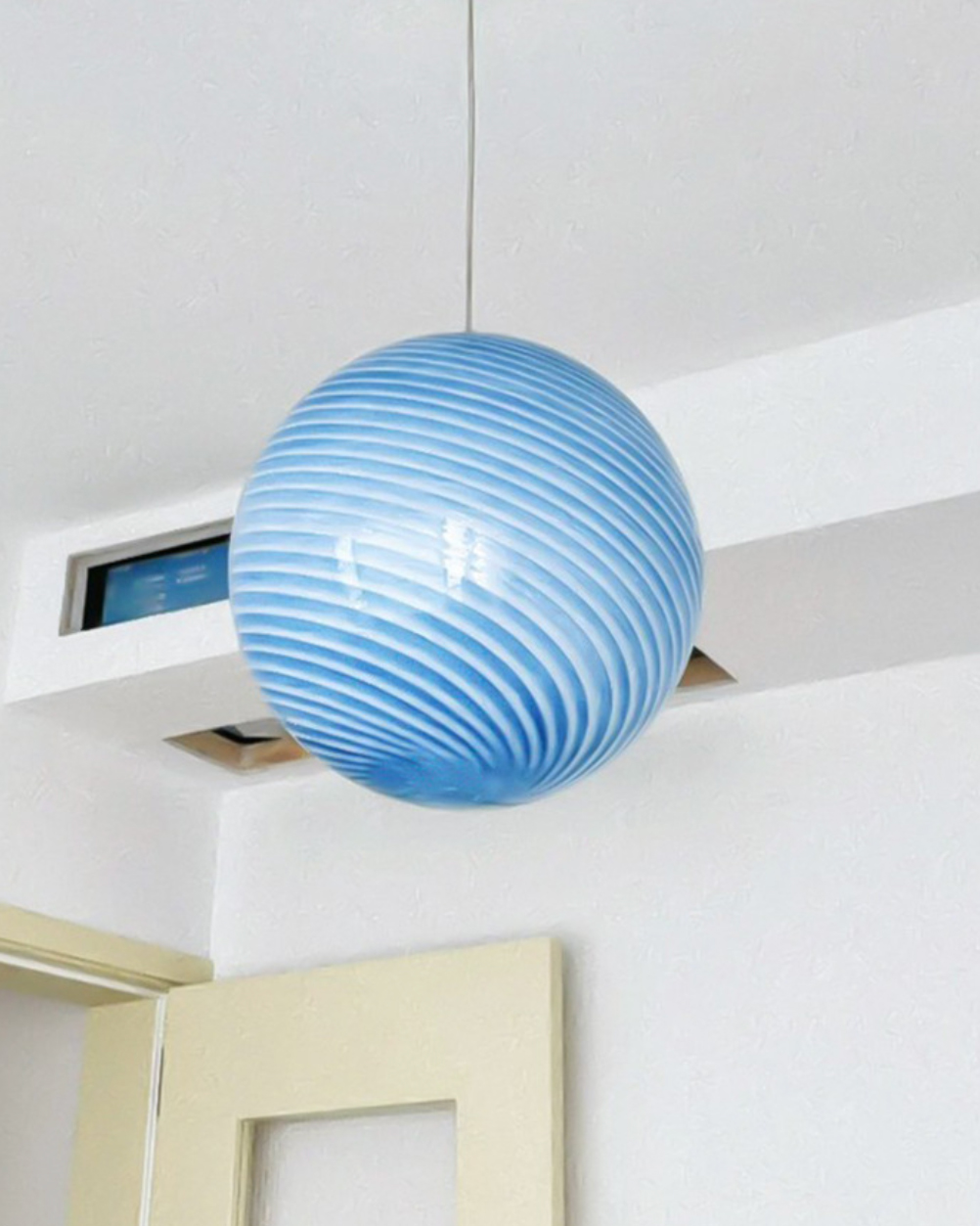
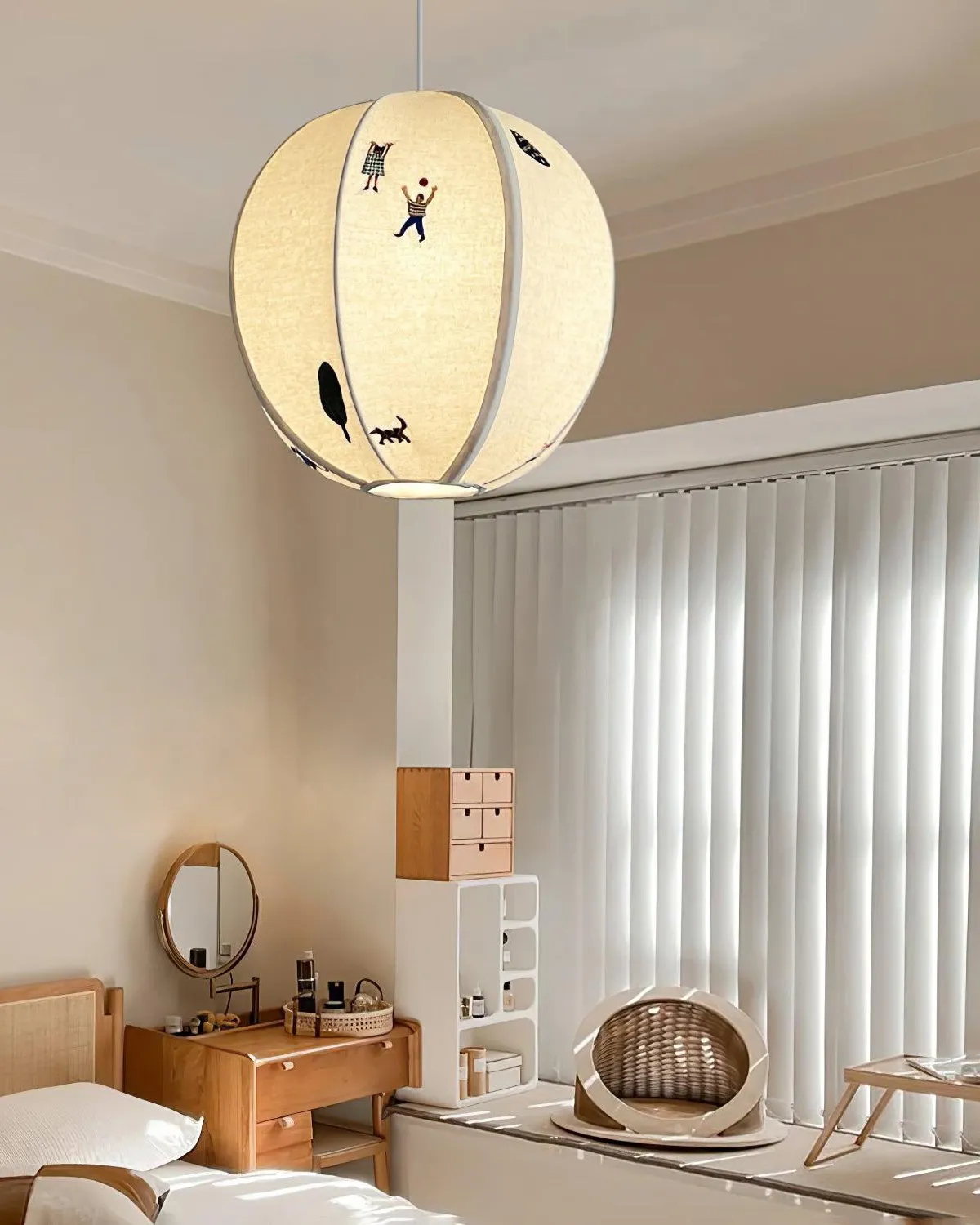
Key points:
- Use layered lighting instead of harsh overhead sources.
- Ensure outlets are both safe and accessible, avoiding obstruction by furniture.
- Meet installation depth and safety standards (≥85 mm).
Designer insight: Children’s rooms benefit from zoned lighting for study, play, and rest. In bedrooms, integrate dimmable or smart lighting systems to adapt to mood and circadian rhythms.
Conclusion: The Designer’s Invisible Craft
The art of interior lighting design lies in the details. Successful solutions blend seamlessly into daily life—supporting safety, efficiency, and atmosphere without drawing unnecessary attention.
For every project, designers should ask:
- Does the lighting enhance both function and comfort?
- Have I balanced energy efficiency, safety, and style?
Ultimately, great residential lighting design hides in plain sight, allowing architecture and lifestyle to shine.
Comment