


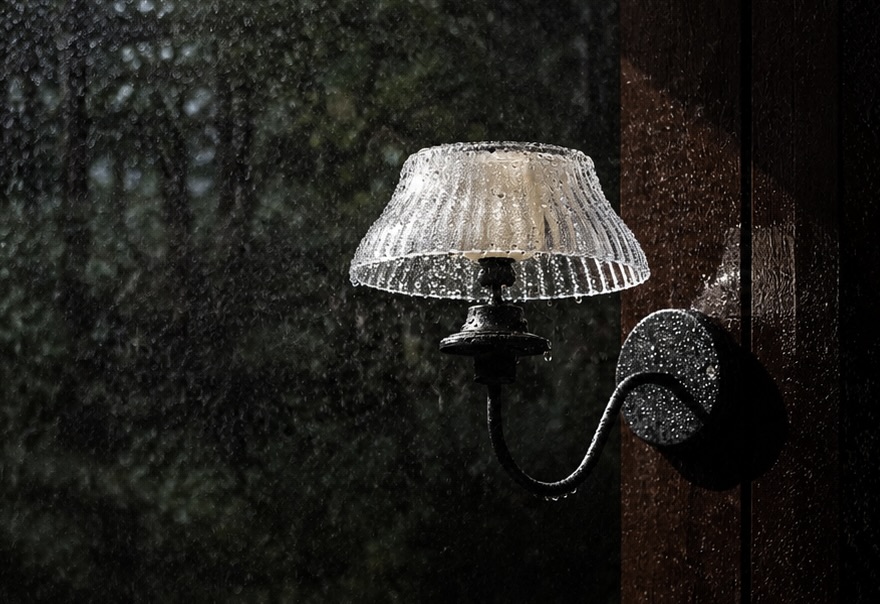
Weather-resistant wall lights and garden fixtures that keep your outdoor spaces glowing beautifully, 24/7, 365 days a year.
Lighting Terms Made Simple: Understand the Language of Light Before You Buy
Jun 25,2025 | Hoshino
Light does more than brighten a space—it shapes mood, defines atmosphere, and tells a story.
But because light is invisible until it touches something, describing it isn’t always easy. That’s why in the world of lighting design, a few key terms help us talk about how light behaves, feels, and transforms our spaces. In this guide, we’ll walk you through the essential language of light—so you can shop smarter, design better, and create spaces that truly shine.
General Lighting
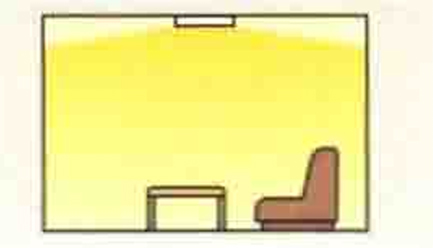
The main source of illumination that brightens the entire room. To ensure uniform brightness throughout the space, fixtures are installed at regular intervals.
Task Lighting
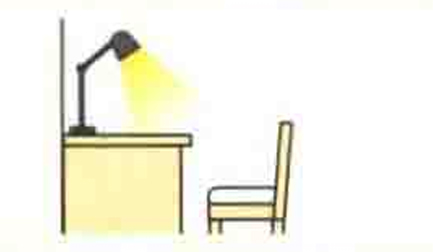
Lighting directed at a specific area. Task lighting can be more economical and effective, creating clear contrasts between light and shadow for added ambience. However, it may cause visual fatigue.
Spotlighting
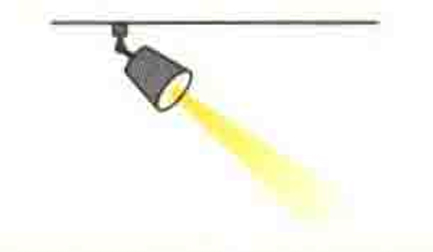
Uses reflectors or lenses to concentrate light on a single point or direction. It increases the illuminance of a focused area but creates a sharp contrast with surrounding spaces.
Diffuse Light
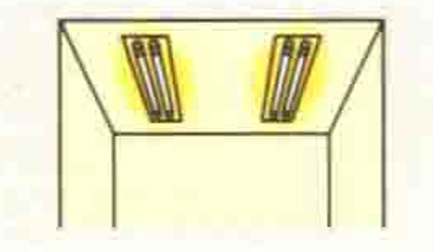
Light that spreads broadly across a space. Often used when even, uniform brightness is desired. Fluorescent lights with large luminous surfaces fall under this category.
Glare
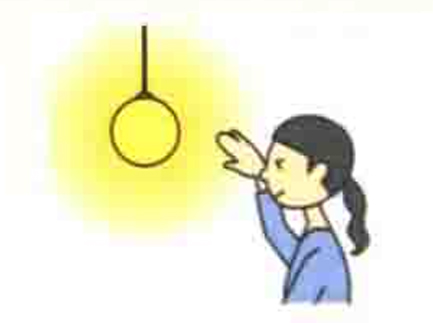
Occurs when brightness exceeds the eye’s ability to adapt, resulting in discomfort or temporary blindness. For example, direct exposure to headlights at night. Glare must be avoided by properly positioning light fixtures and directing beams carefully.
Fan-Shaped Light
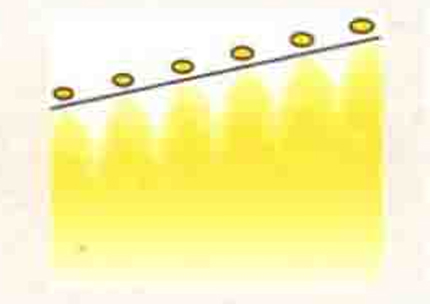
Light patterns resembling a seashell or fan, typically created on walls by downlights or similar fixtures. The shape and size depend on fixture placement and reflector type, so pre-testing is essential to achieve the desired effect.
Uniformity
A measurement of how evenly light is distributed across an illuminated surface.
Overlapping Illumination
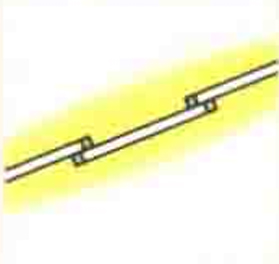
A technique often used in indirect fluorescent lighting. To prevent uneven brightness, lamp bases are overlapped by 100–200 mm. Also refers to dimming techniques where light from one source is added before the previous light fully fades.
Moiré Pattern
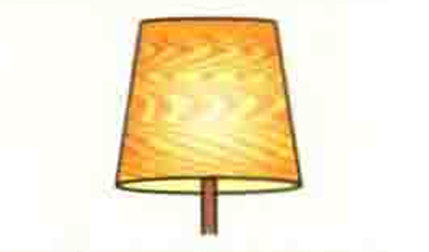
Wave-like visual interference patterns that appear when light passes through or is partially blocked by a screen. These patterns can show up on the shielding material or illuminated surface.
Flicker
The flickering of light, often caused by voltage drops in fixtures. In formal or sensitive settings, flicker can be distracting or uncomfortable.
Tri-Phosphor
Refers to fluorescent lamps coated with phosphors that emit red, blue, and green primary colors efficiently. These lamps offer high luminous efficacy and good color rendering.
Understanding the language of light is essential for effective lighting design. Mastering these key terms empowers you to choose lighting that not only serves a purpose but also enhances the atmosphere, creating spaces that are both practical and emotionally engaging.
Comment