





Weather-resistant wall lights and garden fixtures that keep your outdoor spaces glowing beautifully, 24/7, 365 days a year.
Types of Floor Lamps: A Complete Lighting Guide
Aug 13,2025 | elegalight
Floor lamps come in two main styles: the free-standing type, which is placed directly on the floor, and the tabletop type, which is designed to stand on a table. Just like pendant or wall lamps, the way floor lamps distribute and display light varies depending on the design of the lamp body and the transparency of the shade.
Let’s explore the different types of floor lamps based on their light distribution methods.
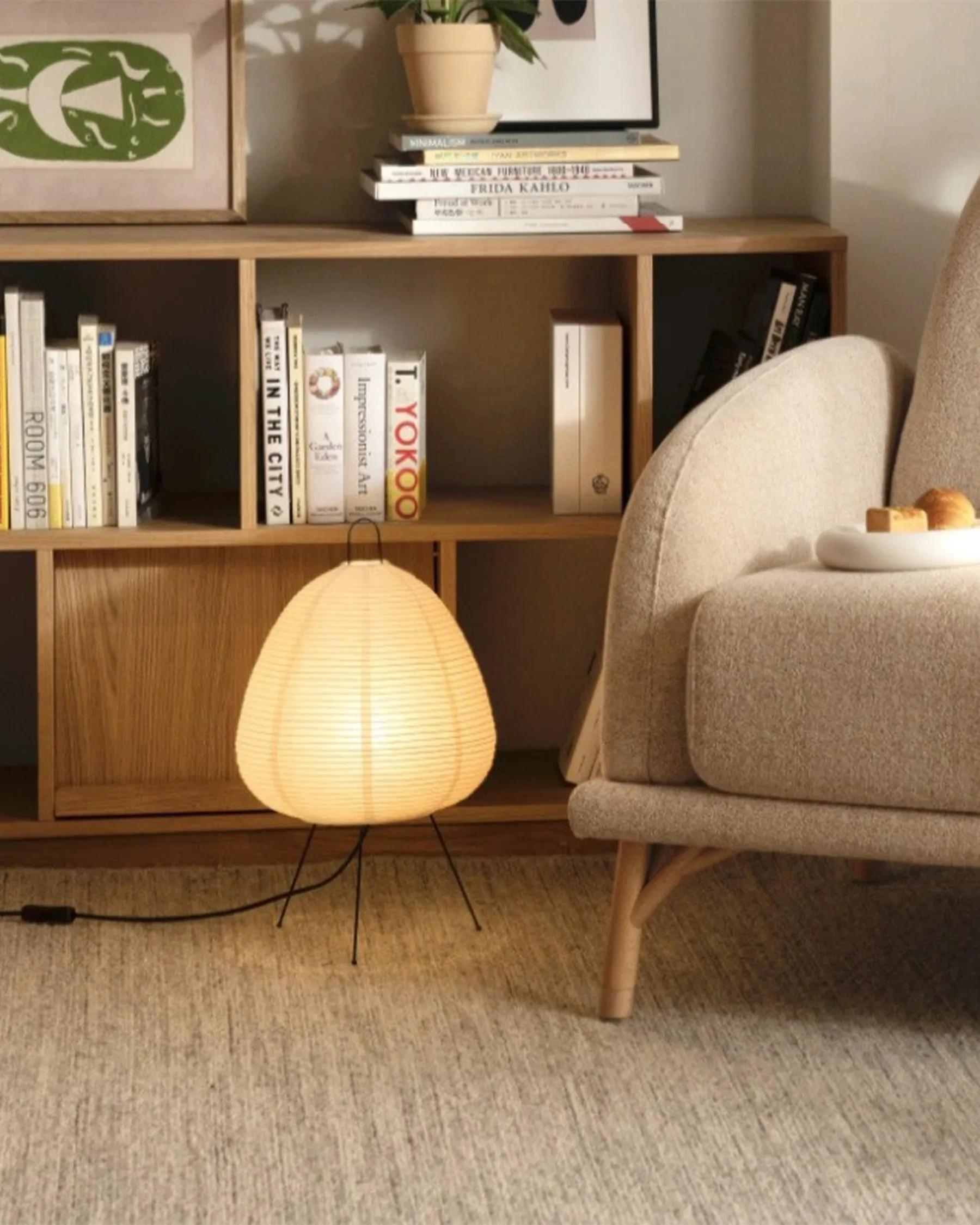
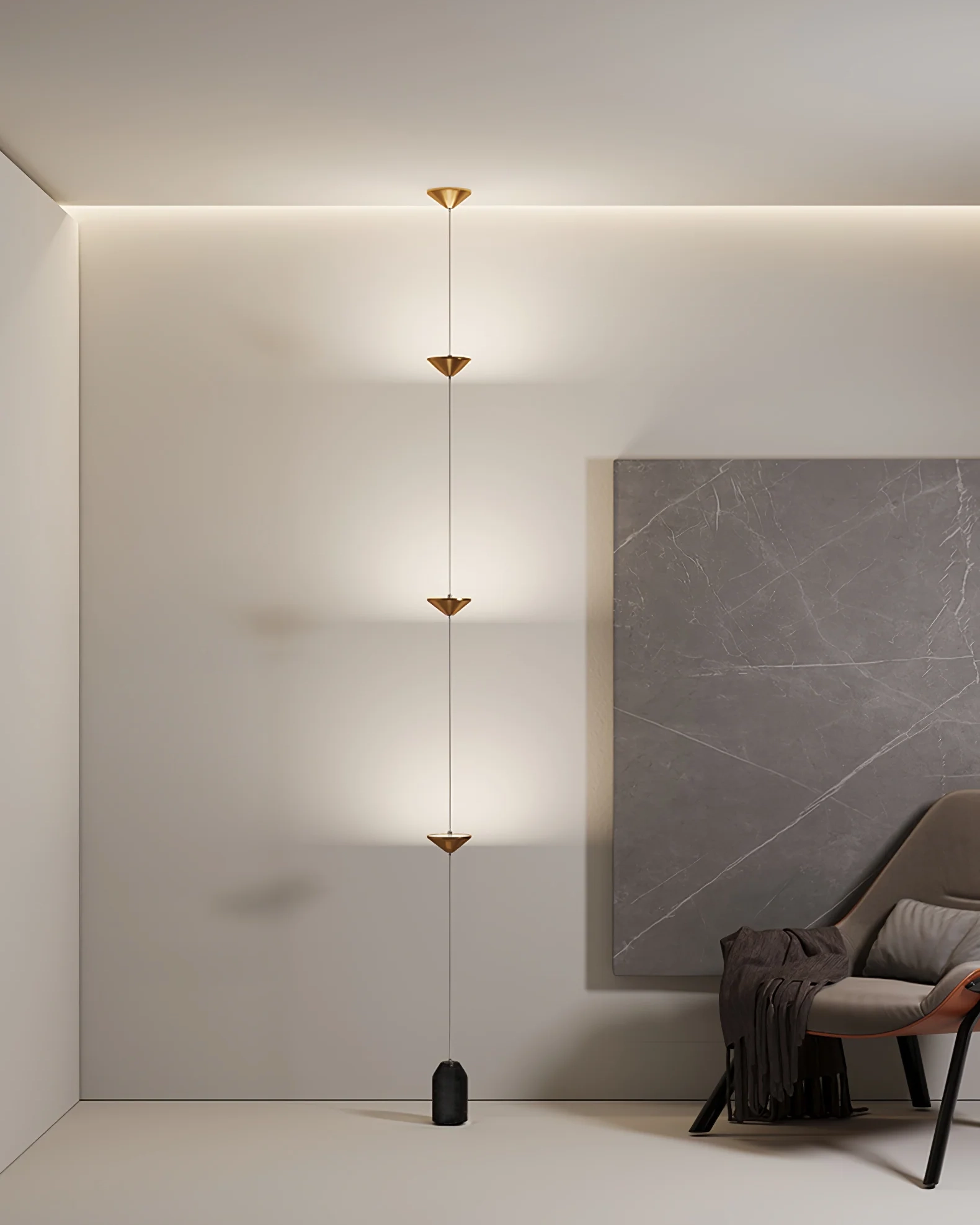
Omnidirectional Diffusion Type
Features: Disperses light evenly in all directions.
Usage: Ideal for lower-height lamps that brighten the space at a low level, creating a calm and grounded atmosphere.
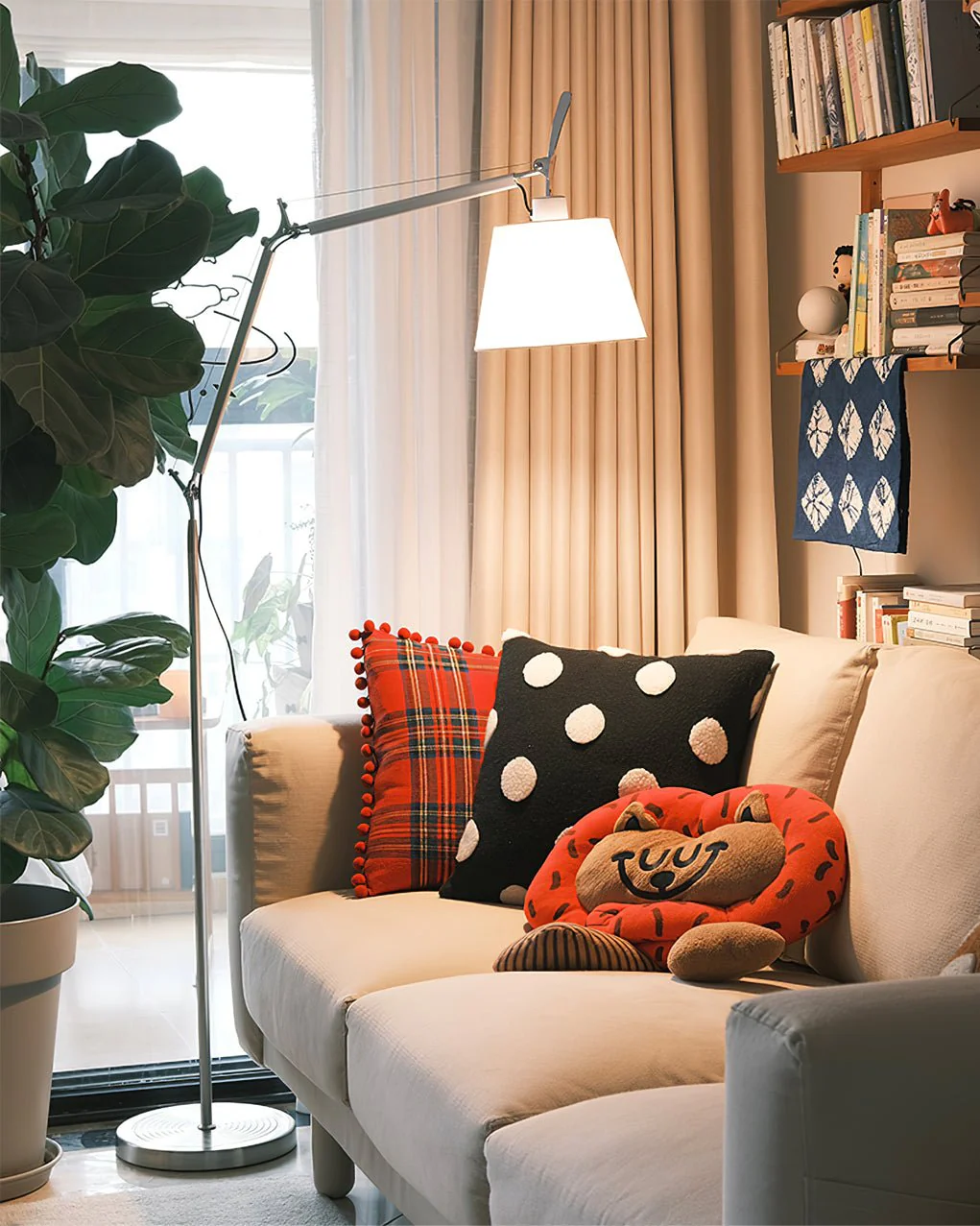
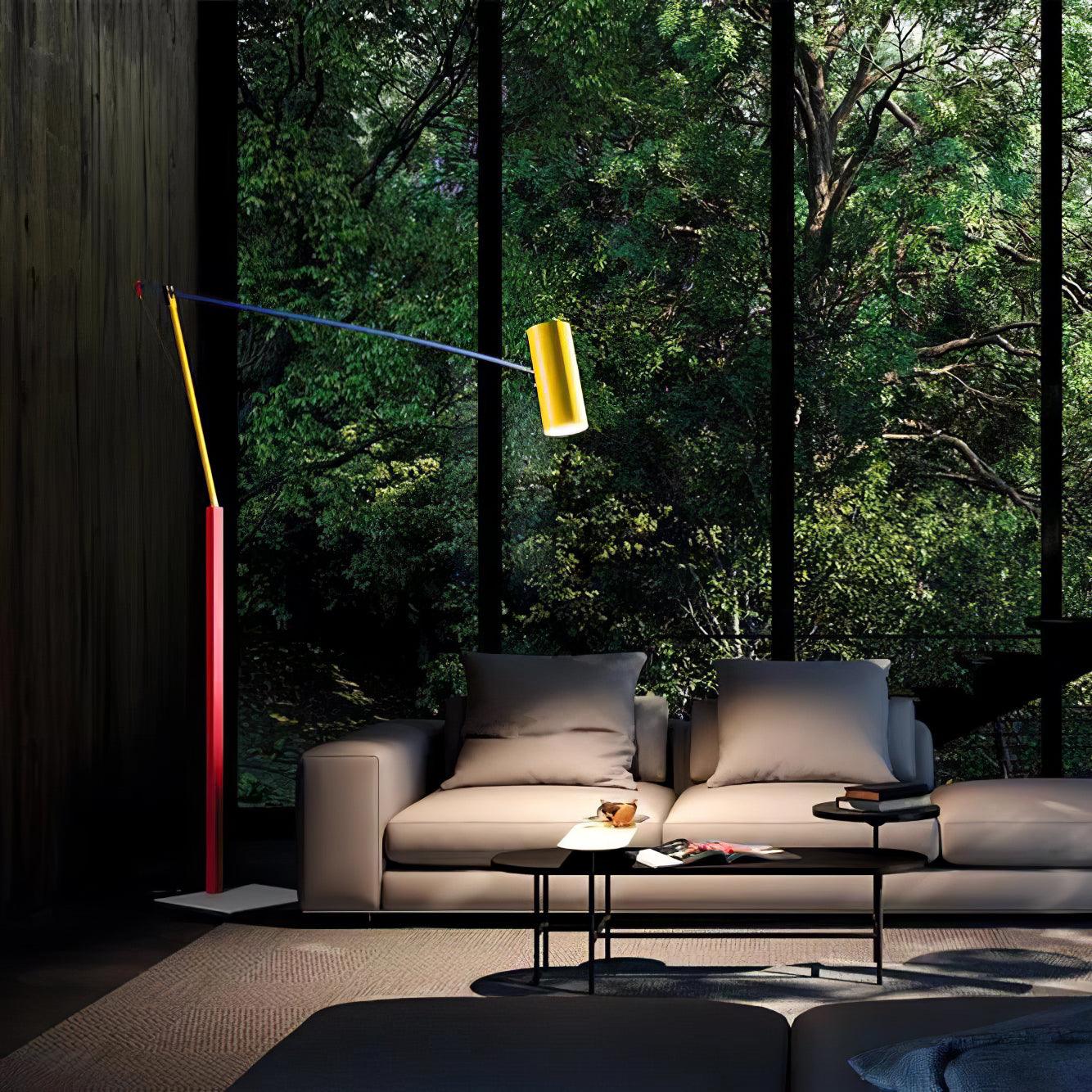
Direct Type
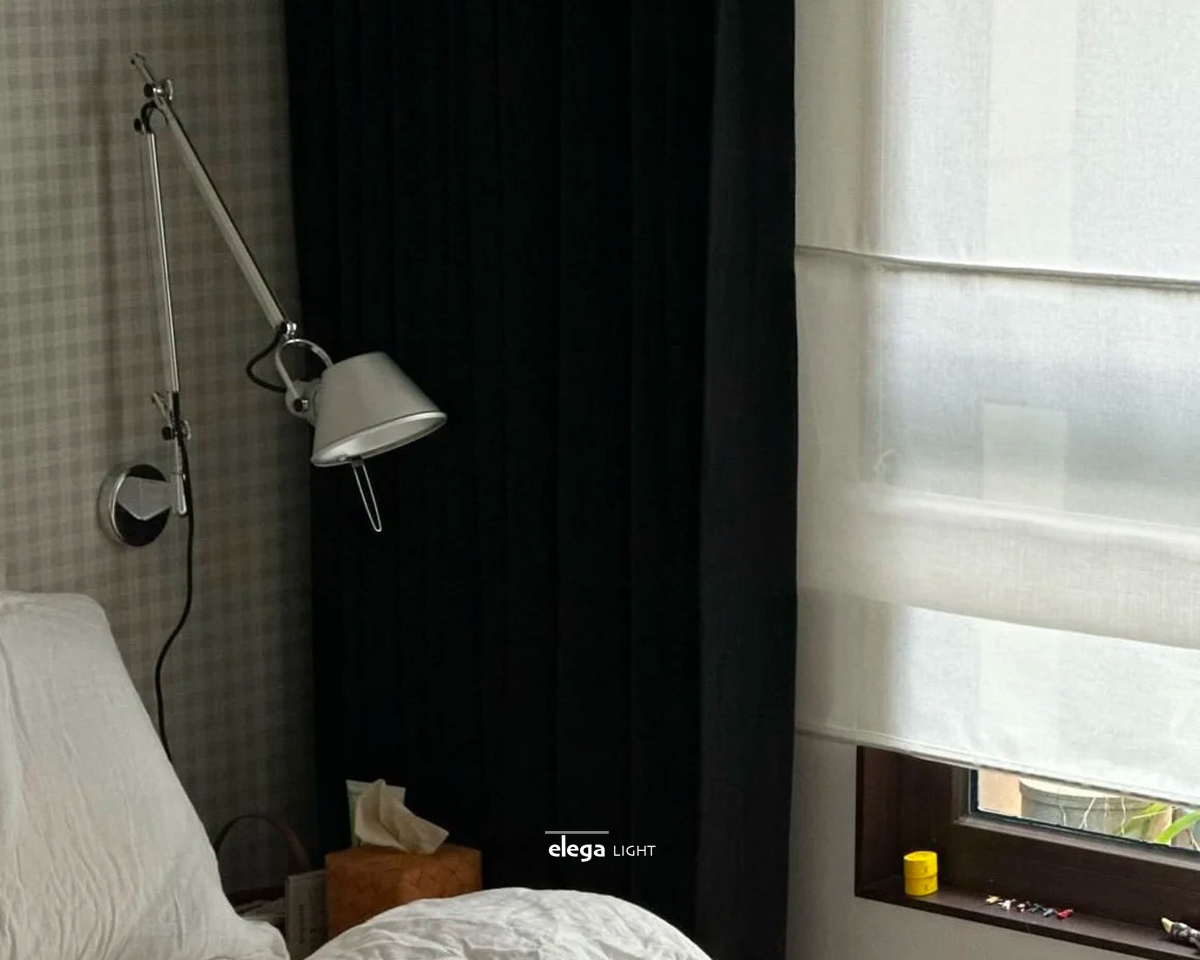
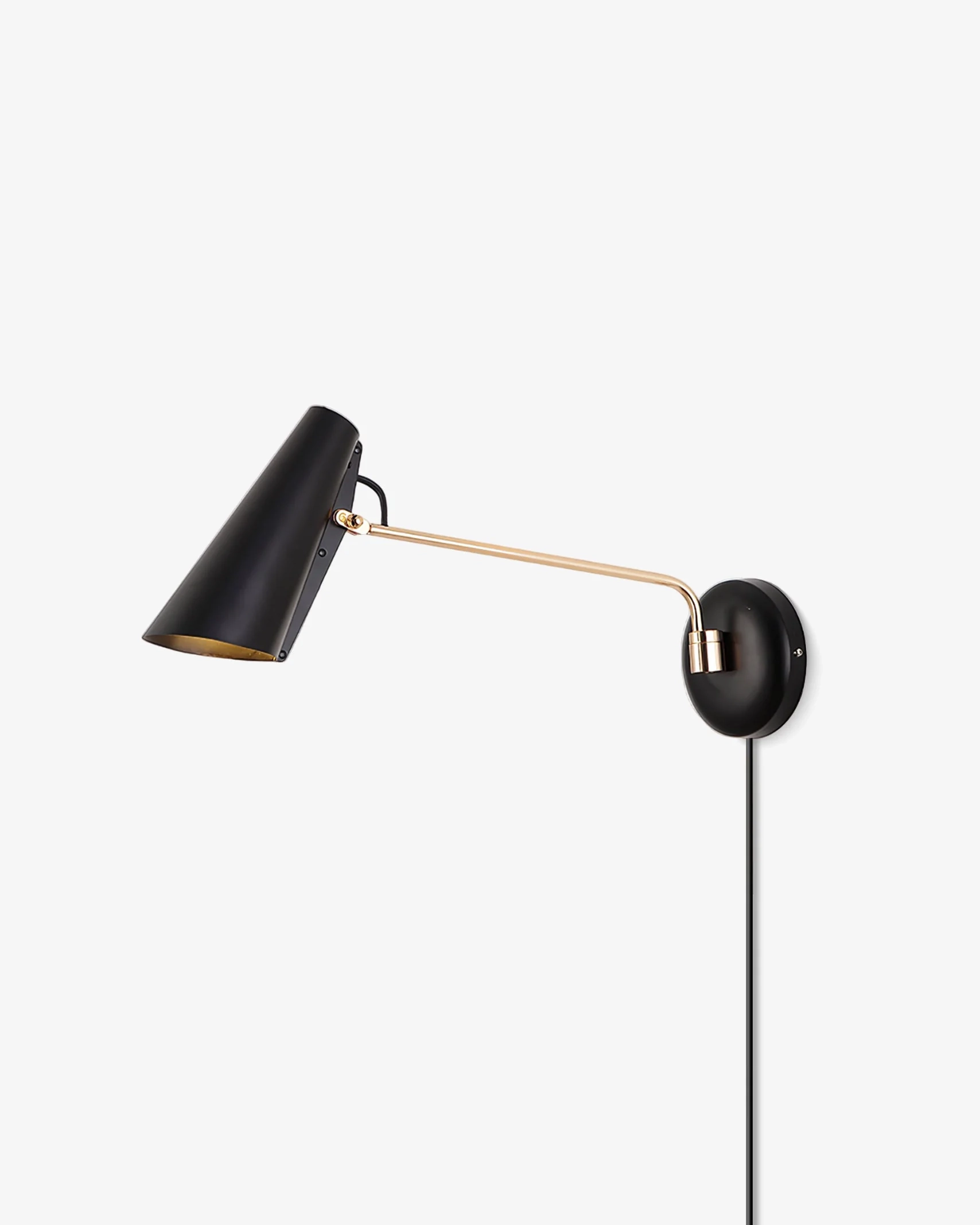
Features: Equipped with an adjustable lamp arm to direct the light.
Usage: Often placed beside a sofa or seating area to provide task lighting at hand. Note: direct-type floor lamps cannot illuminate the ceiling and should be paired with other lighting sources.
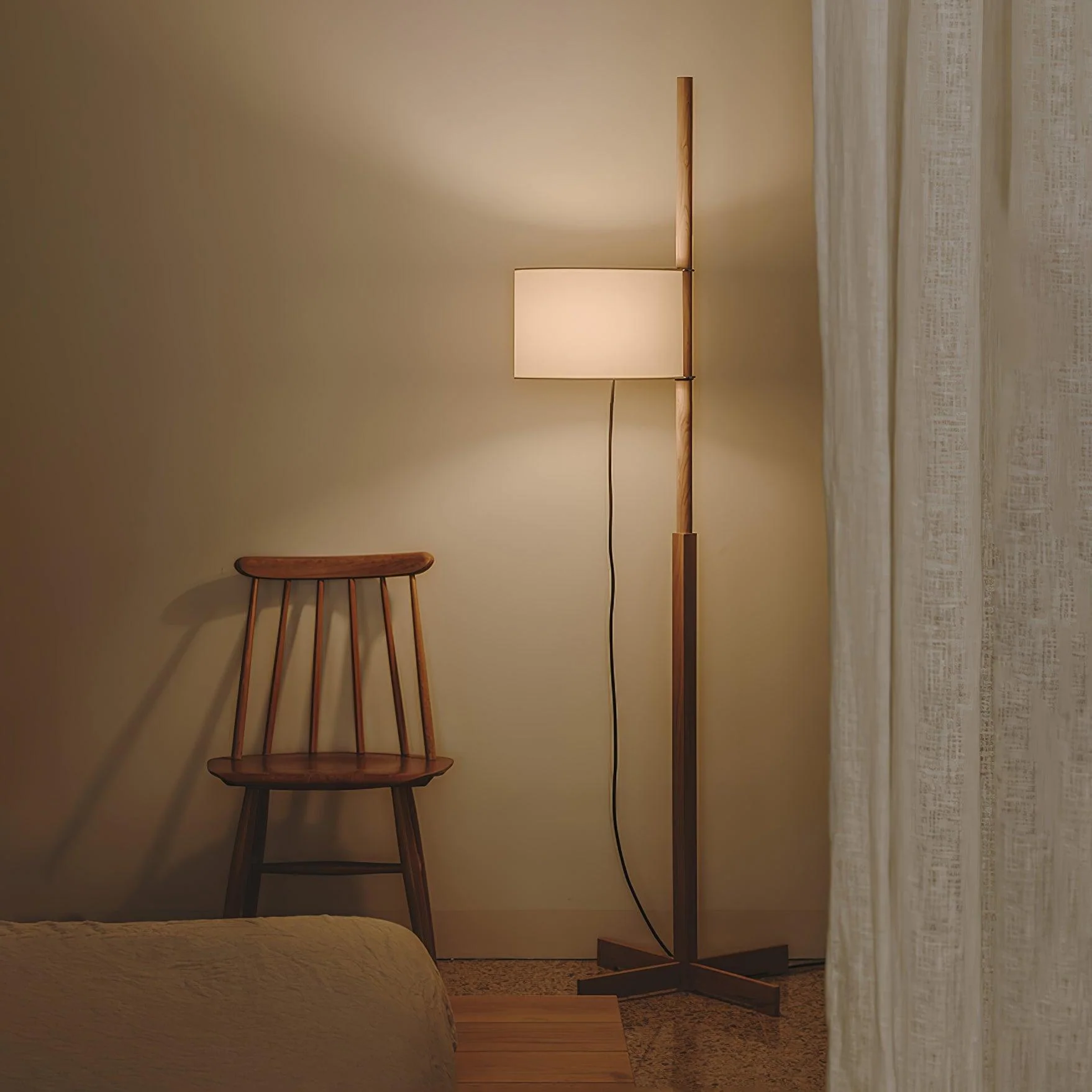
Semi-Direct Type
Features: Combines the qualities of both omnidirectional and direct lighting, illuminating the immediate area while also diffusing light throughout the room. Works best with shades made of highly translucent materials.
Usage: When paired with downlights for general lighting, where the ceiling remains relatively dim—a semi-direct floor lamp helps achieve a balanced lighting effect.
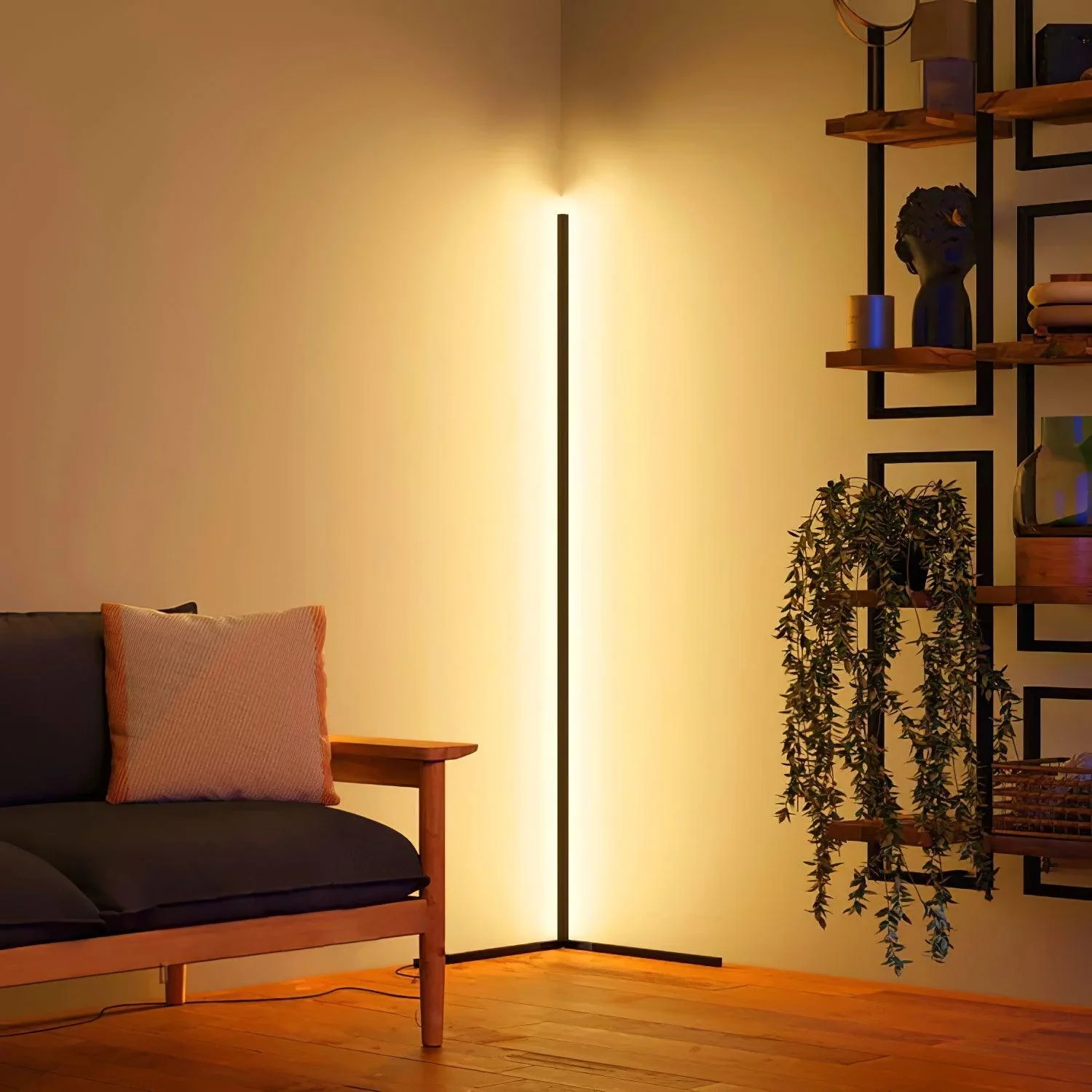
Indirect Type
Features: Projects light toward white walls or ceilings, allowing it to bounce and diffuse softly throughout the space. However, be mindful that glossy walls can cause the light source to appear overly glaring.
Usage: Typically placed on the floor to cast light upward onto ceilings or walls, providing ambient illumination. Not suitable for task lighting or activities that require bright light nearby.
Featured New Arrival
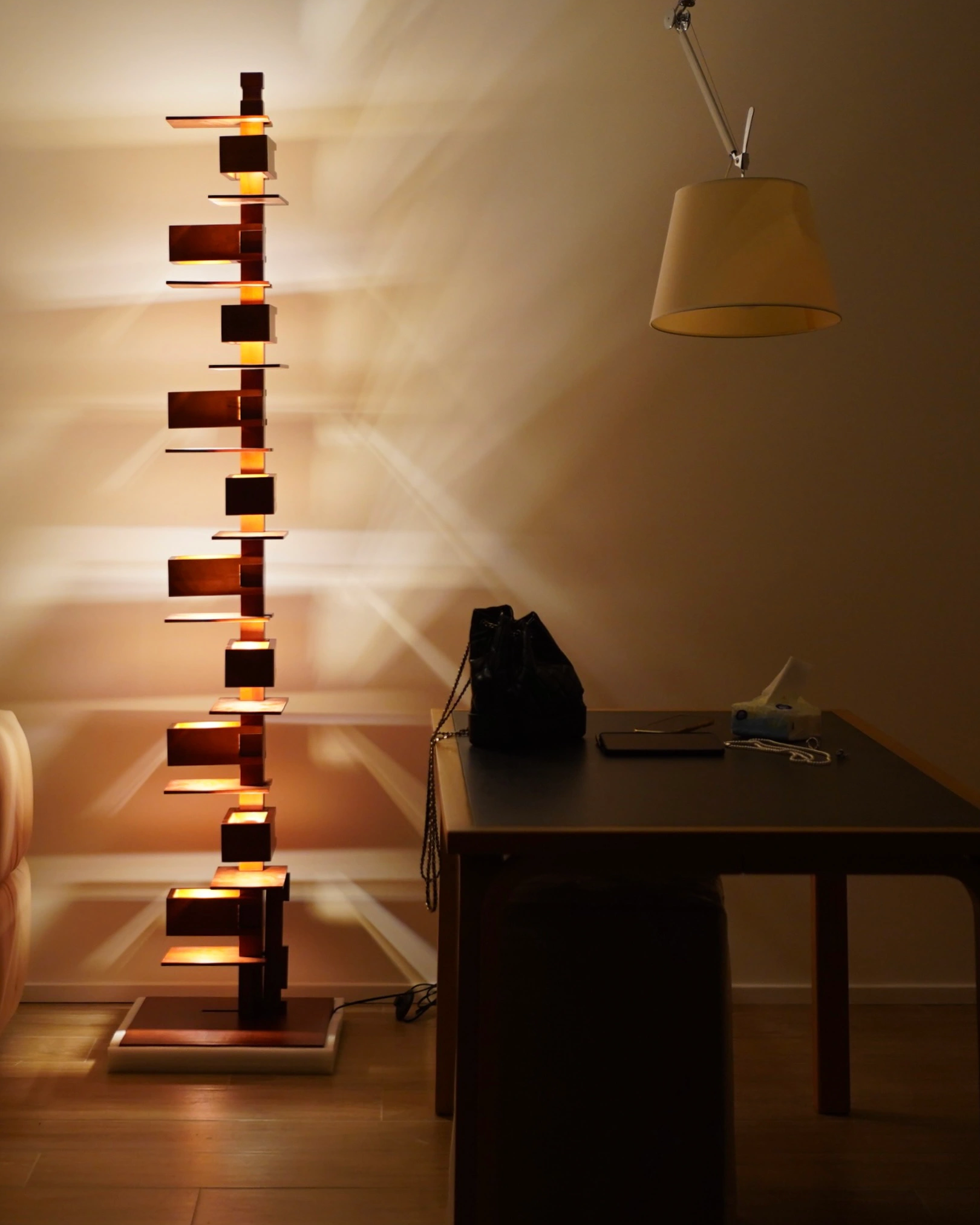
Add a touch of architectural elegance with the Komorebi Floor Lamp, a stunning new release inspired by the design philosophy of Frank Lloyd Wright. Its elegant cantilevered form is composed of a vertical series of wooden boxes, each concealing an integrated LED light. This structure ensures the illumination is never harsh or direct, but instead reminiscent of sunlight gently filtering through leaves, resulting in a soft and enchanting glow.
Crafted from rich walnut wood with precise craftsmanship, this lamp stands at approximately 203 cm tall, making a bold yet refined statement in any corner. Its presence brings both visual intrigue and sophisticated ambiance, perfect for living rooms, reading nooks, or serene lounge spaces.
Choosing the right type of floor lamp depends on both the desired lighting effect and the atmosphere you wish to create. Whether you’re drawn to the warm, enveloping glow of an omnidirectional lamp, the focused beam of a direct lamp, the balanced illumination of a semi-direct model, or the soft, ambient light of an indirect design, each type serves a unique purpose. By understanding these lighting methods, you can select a floor lamp that not only meets your functional needs but also enhances the style and comfort of your space.
Explore our full collection of floor lamps to find the perfect piece for your home.