


Weather-resistant wall lights and garden fixtures that keep your outdoor spaces glowing beautifully, 24/7, 365 days a year.
Key Points of Lighting Design in Kitchen
Sep 22,2025 | elegaLight
💡Different Functions of Kitchen Lighting Fixtures
The kitchen is not only a place for cooking meals, but also a space for having breakfast, chatting with friends, or even reading. Therefore, lighting design must address both functional needs and atmosphere.
Basic kitchen lighting generally combines general lighting with task lighting. For countertop task lighting, under-cabinet fixtures of around 20W fluorescent tubes or LEDs are recommended. For detailed work such as chopping vegetables, brighter fixtures should be selected to minimize shadows. To ensure safety and efficiency, the illuminance of countertops should be maintained at 300–500 lx.
General lighting for the entire kitchen can be achieved with ceiling-mounted fluorescent tubes or downlights. The spacing of downlights is usually similar to those in hallways, but care should be taken to avoid overlapping with storage cabinets. To further enhance brightness, reflective finishes on ceilings and upper walls can increase reflected light by about 50%, creating a bright, clean atmosphere suitable for cooking and even afternoon gatherings.
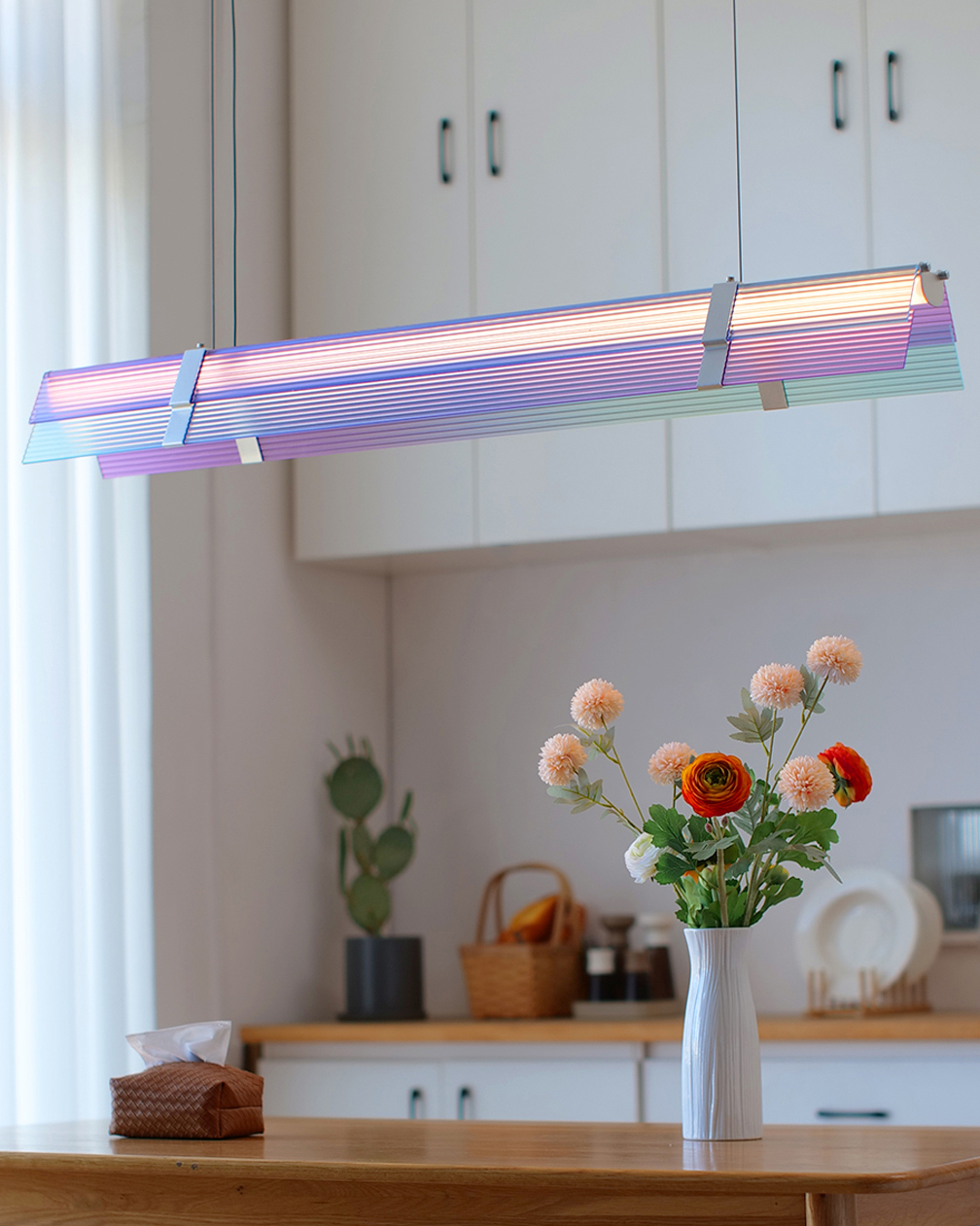
💡Basic Fixture Arrangement: General and Task Lighting
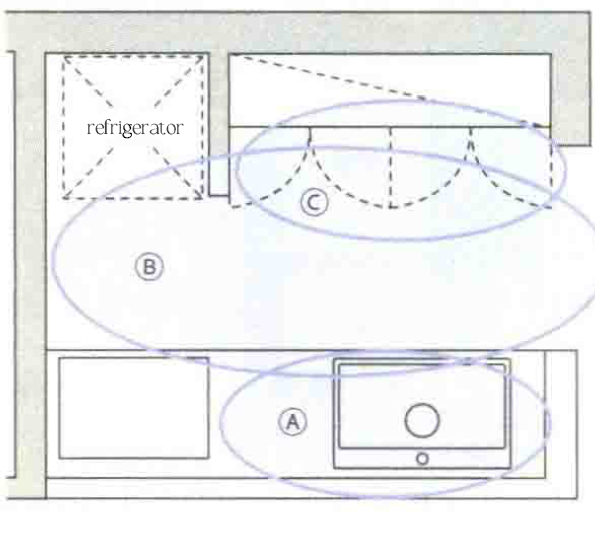
Kitchen lighting typically consists of three components:
A. Task lighting for countertops
- General lighting usually comes from fluorescent or LED ceiling lights.
B. General lighting for the entire kitchen
- Spotlights or downlights can be added to maintain overall brightness.
C. Task lighting for storage areas
- Wall-washing or directional spotlights can illuminate storage areas, making it easier to find items. Adjustable fixtures enhance convenience.
Example 1: Kitchens with Wall Cabinets
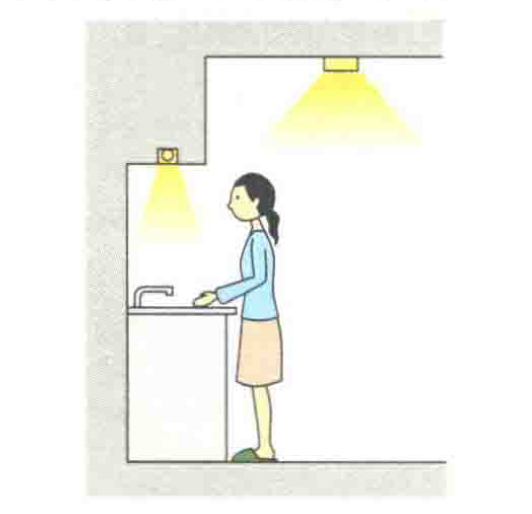
- Install task lighting beneath wall-mounted cabinets to prevent shadows and ensure sufficient brightness. Fixtures with built-in lighting or additional strip lights can also be used.
Example 2: Open Kitchens
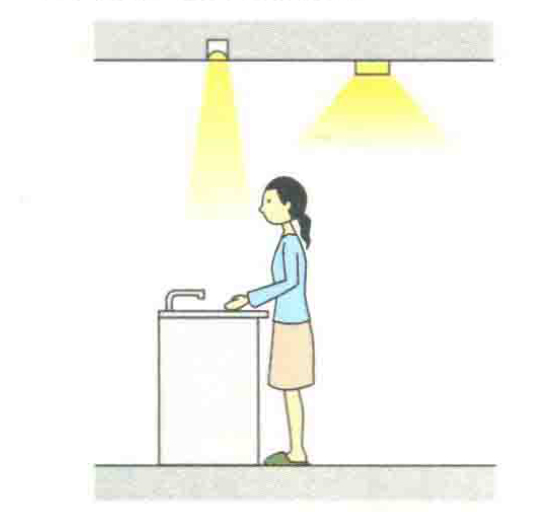
- Choose fixtures that take into account sightlines from adjacent living or dining spaces.
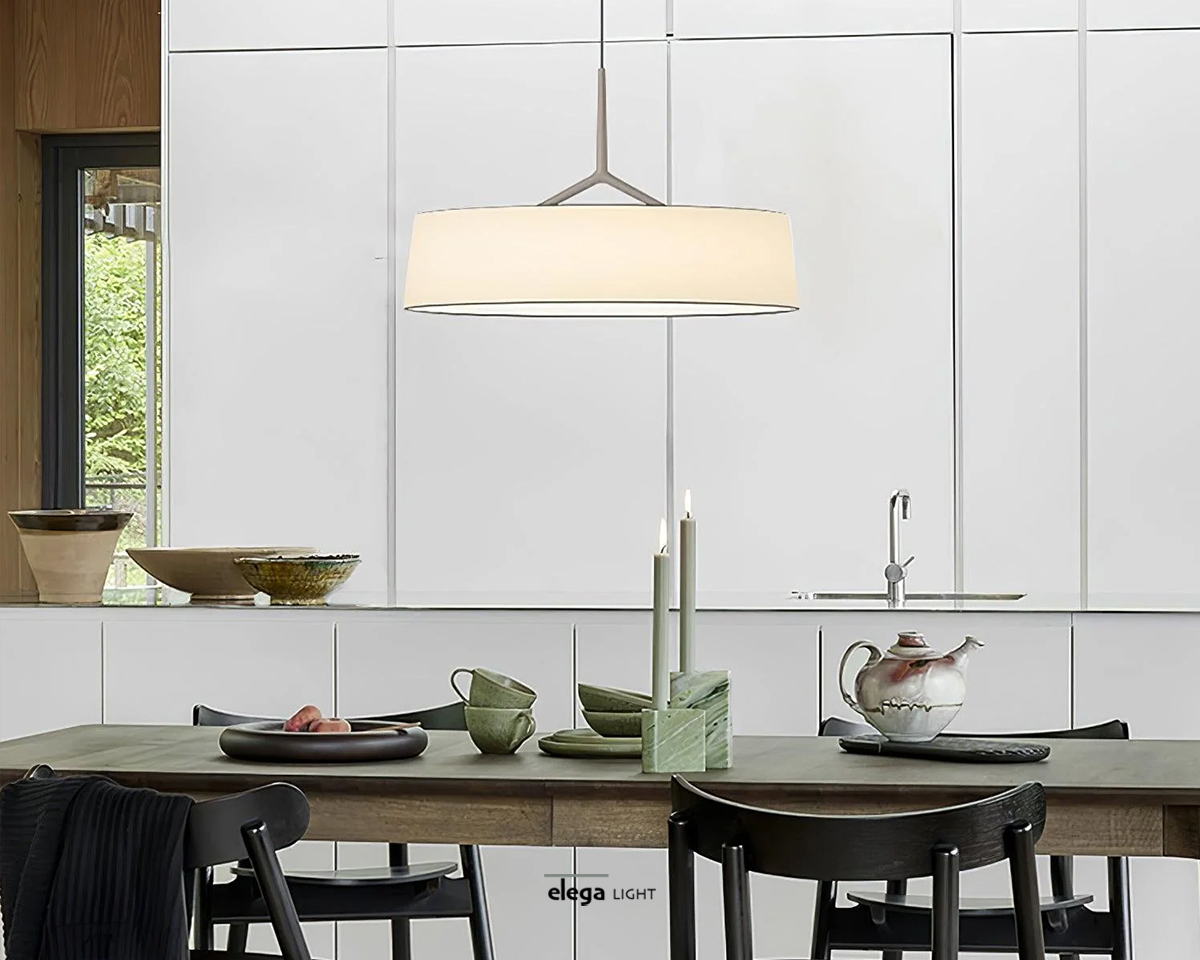
- Spotlights or pendant lamps are effective for illuminating countertops, ensuring adequate brightness at the working edge.
- Adjustable lighting makes fixtures more convenient for everyday use.
💡Installation Considerations for Kitchen Lighting
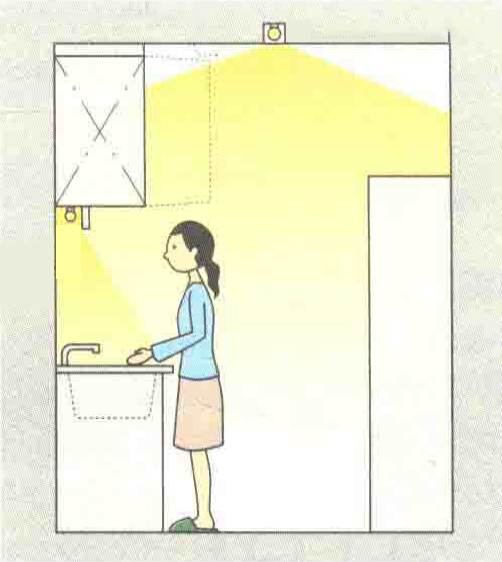
- Fixtures near countertops should avoid casting shadows from people standing at the work surface. Spotlights must be positioned carefully to prevent glare; if necessary, indirect lighting is preferable.
- For general lighting, wide-beam fluorescent or LED fixtures are recommended. Avoid fixtures that create uneven brightness or excessive glare.
- When installing storage lighting, confirm whether cabinet doors, when open, will block or interfere with the light.
- If cabinet doors open directly beneath a light fixture, heat from the lamp may cause discoloration or even pose a fire risk, so extra caution is required.
💡Example of Kitchen Lighting

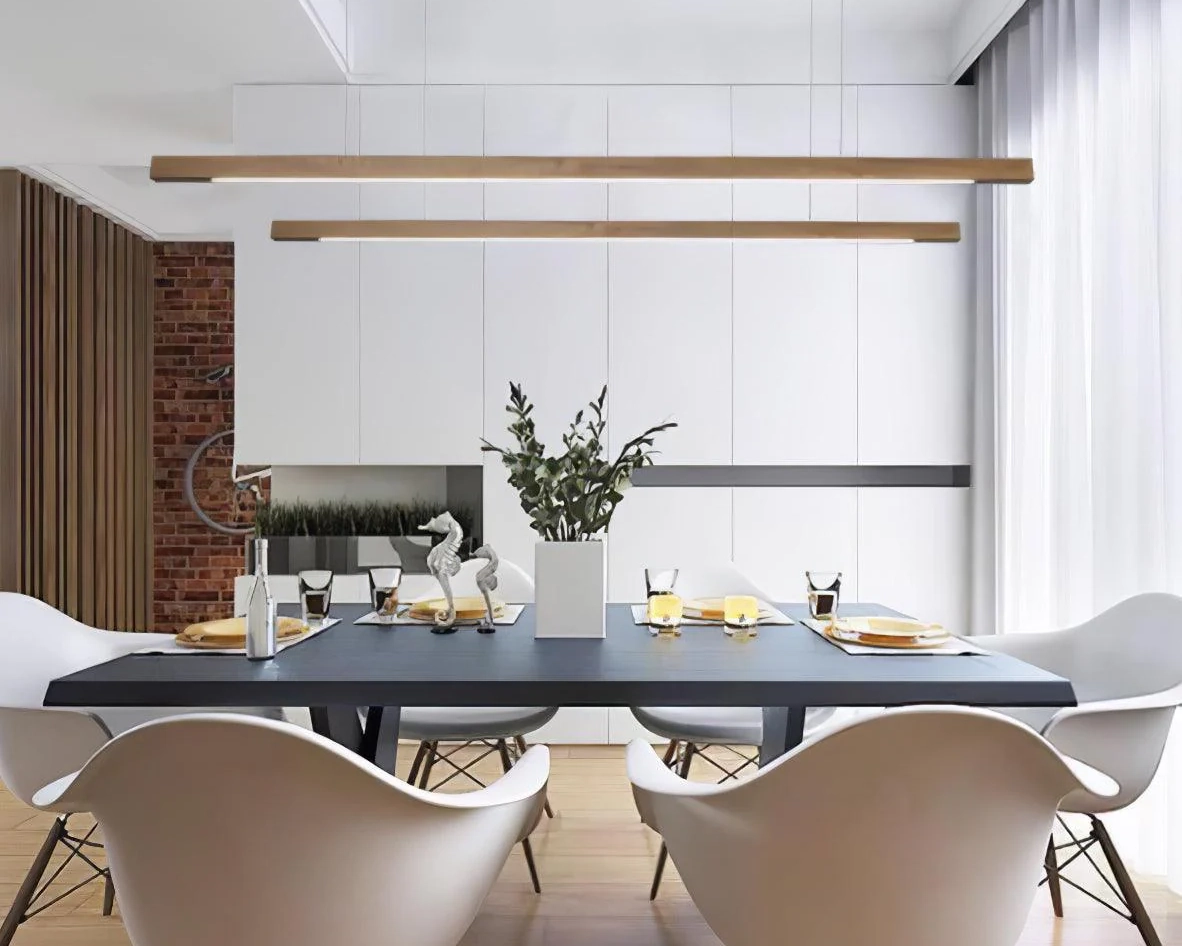
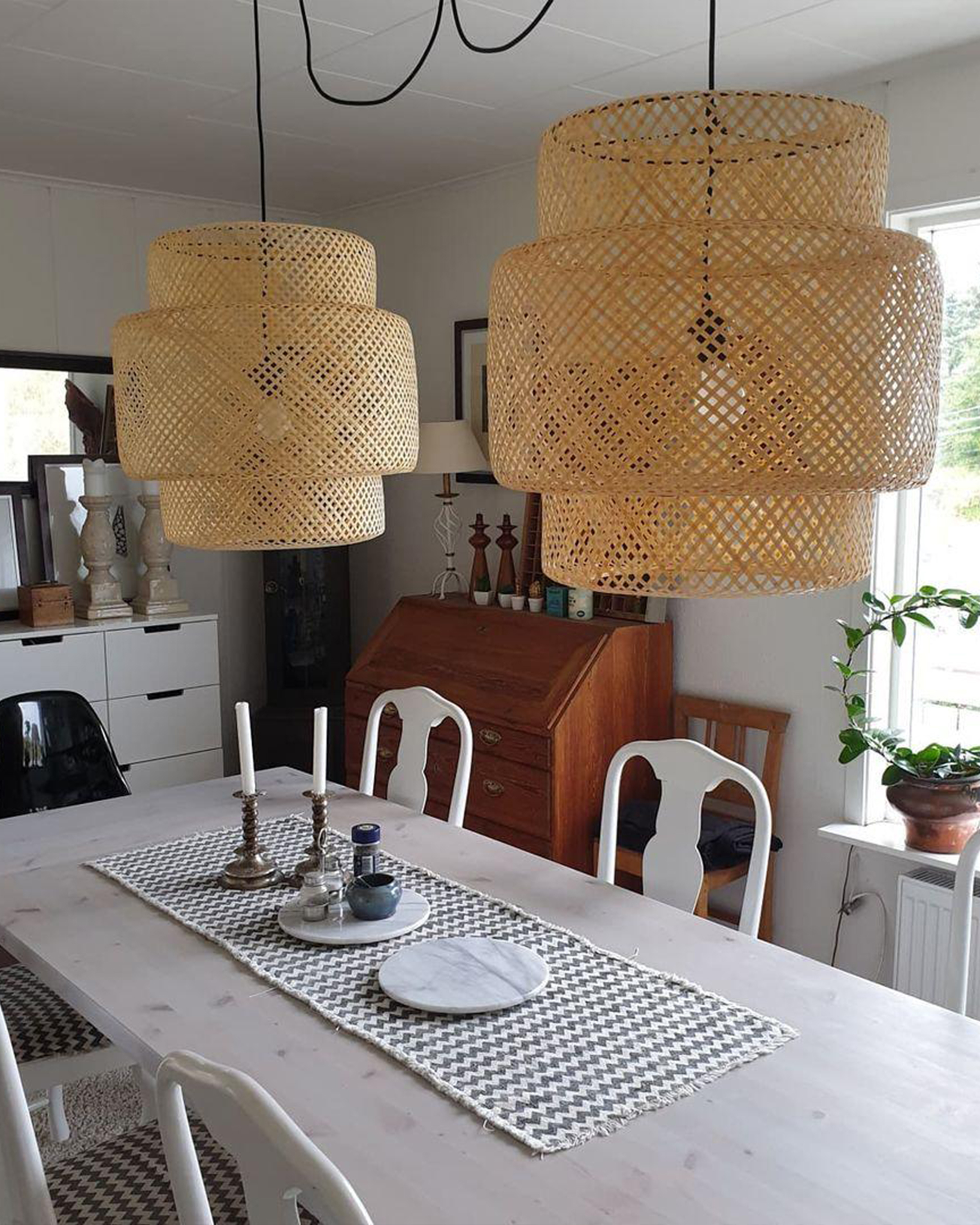
- In kitchens without wall-mounted cabinets, pendant lamps above the countertop can reduce shadows and maintain 300–500 lx at the work surface.
- Fixtures installed near the range hood can brighten the cooking area.
- A variety of additional lighting fixtures can also be selected to suit different lifestyles and spatial needs.
Well-planned kitchen lighting goes beyond simply brightening the space. By combining general lighting for overall visibility, task lighting for countertops and storage, and thoughtful fixture placement, the kitchen becomes both highly functional and pleasant to use. With the right balance of brightness and comfort, lighting transforms the kitchen into a safe, efficient, and welcoming space—whether for preparing meals, sharing conversations, or enjoying everyday moments of life.
المقال السابق
Key Points of Lighting Design in Bathroom
اترك تعليق